Prevention
You Are a Walking Chemistry Set. Here's How to Tidy It Up.
Jul 11, 2026 · 3 min read
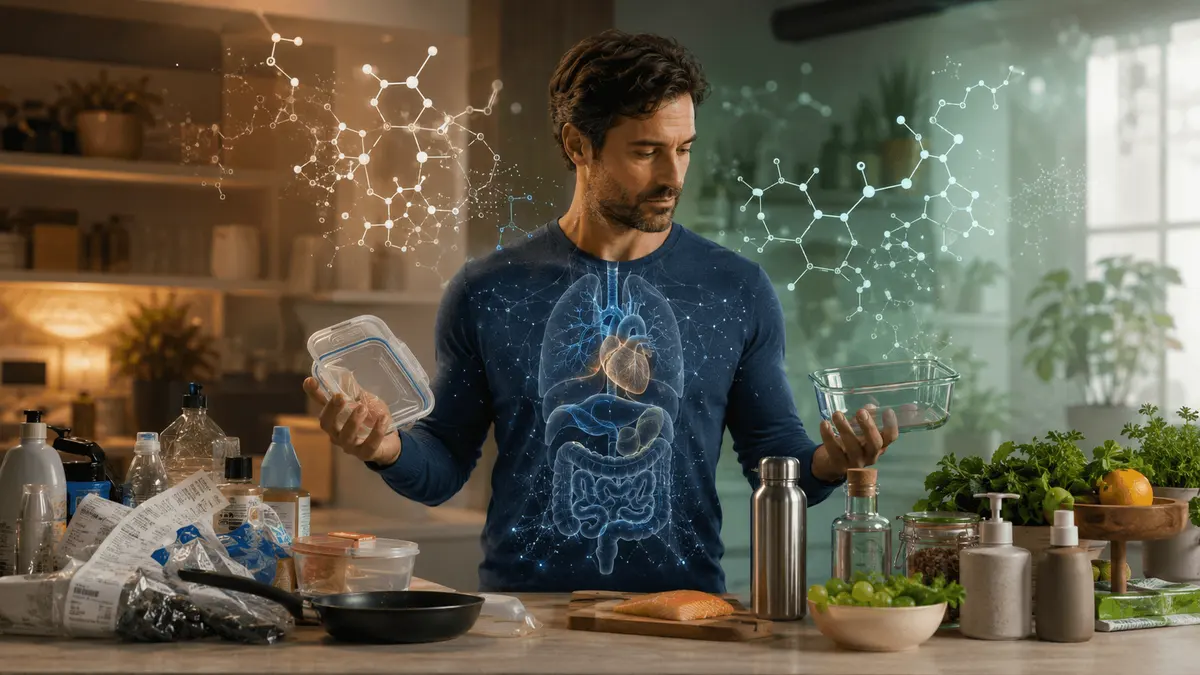
Think about a normal Tuesday. You shampoo your hair, swipe on deodorant, sip coffee from a paper cup, microwave lunch in a plastic tub, and drive to work through traffic fumes. Someone wipes the break-room table with disinfectant. You cook dinner and run the dishwasher.
Congratulations. You met dozens of chemicals before bedtime.
The calm part: this is normal, and most run-ins happen at tiny, low levels regulators consider safe. The whole world is made of chemicals, including you. So the goal is not to panic and move to a cave. The interesting question, the one toxicologists actually lose sleep over, is different: what happens when all these little exposures pile up and mix together?
Why "One at a Time" Isn't the Real World
For decades, scientists tested chemicals solo and set a "safe" limit for each. But people don't sip one chemical politely and wait. We get a splash from food, a puff from a cleaning spray, a trace from tap water, all overlapping.
That matters most for a group called endocrine disruptors, chemicals that can imitate or scramble your hormones, the body's text-message system for growth, metabolism, and mood. Two common ones are phthalates (in some plastics and fragrances) and parabens (preservatives in some cosmetics). Alone, at low doses, each might be no big deal. But when several chemicals all nudge the same hormone system at once, their effects can add up in ways single-chemical tests never predicted. Weirdly, some of these chemicals cause bigger effects at low doses than at high ones, which breaks the old "the dose makes the poison" rule of thumb.
Where Your Daily Dose Comes From
Indoor air is a big one, since most of us spend about 90% of our time inside, and cooking, cleaning sprays, air fresheners, and new furniture all release stuff into the air.
Food carries traces of pesticides, though monitoring programs in the US and Europe find the large majority of samples fall under legal limits.
Water, even clean city water, can carry tiny amounts of contaminants. One group getting a lot of attention is PFAS, nicknamed "forever chemicals" because they basically never break down. They've been found in nearly half of US tap water, and higher exposure is linked to things like higher cholesterol and certain cancers.
Personal care products are a sneaky source, because the more scented lotions, sprays, and washes you stack on, the more of these chemicals show up in your urine.
The Good News: Your Body Responds Fast
Here's the encouraging twist. You can lower your chemical load surprisingly quickly.
In one study, teen girls switched to personal care products labeled free of certain phthalates and parabens for just three days. Their levels of those chemicals dropped by 27% to 45%. Three days. A 2026 study went further with a "low-plastic" week (plastic-free food containers and simpler products) and cut some plastic-related chemicals in urine by 38% to 60%.
Simple Moves That Actually Work
Open a window and run the exhaust fan when you cook or clean, because ventilation is one of the most effective ways to clean indoor air. Use fewer scented products, or pick fragrance-free versions. You probably don't need scented soap and scented lotion and a plug-in air freshener all fighting for your nose.
Rinse fruits and veggies under running water, which washes away a big chunk of surface pesticide, and peeling helps too. Eat a variety of foods so you're not getting the same residues over and over.
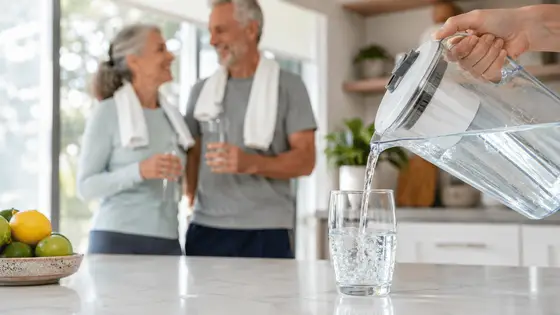
Check your local water quality report (your water company publishes one), and if something concerns you, use a filter certified to remove that specific thing, then change the cartridge on schedule.
Keep It in Perspective
Nobody is asking you to live "chemical-free," which is impossible anyway. The most recent European pesticide report literally concluded the risk to consumers is low. The concern isn't your one Tuesday morning. It's the slow, lifelong pile-up of many small exposures mixing in ways we're still learning about.
So don't aim for fear. Aim for a few easy, cheap habits that quietly lower your dose. Your future self, and their hormones, will thank you.
This article is general education, not medical advice. Two things are true at once here: the science on chemical mixtures is genuinely unsettled, and the wellness industry has been happy to fill that uncertainty with expensive "detox" products, cleanses, and supplements that do nothing your liver and kidneys aren't already doing for free. Ventilation, fewer fragranced products, and a certified water filter are the whole intervention — anything sold to "purge toxins" is selling you the anxiety, not the solution. If you have a specific exposure concern (an occupational one, or a contaminant flagged in your local water report), that's a conversation for a doctor or your water utility, not a shopping list.