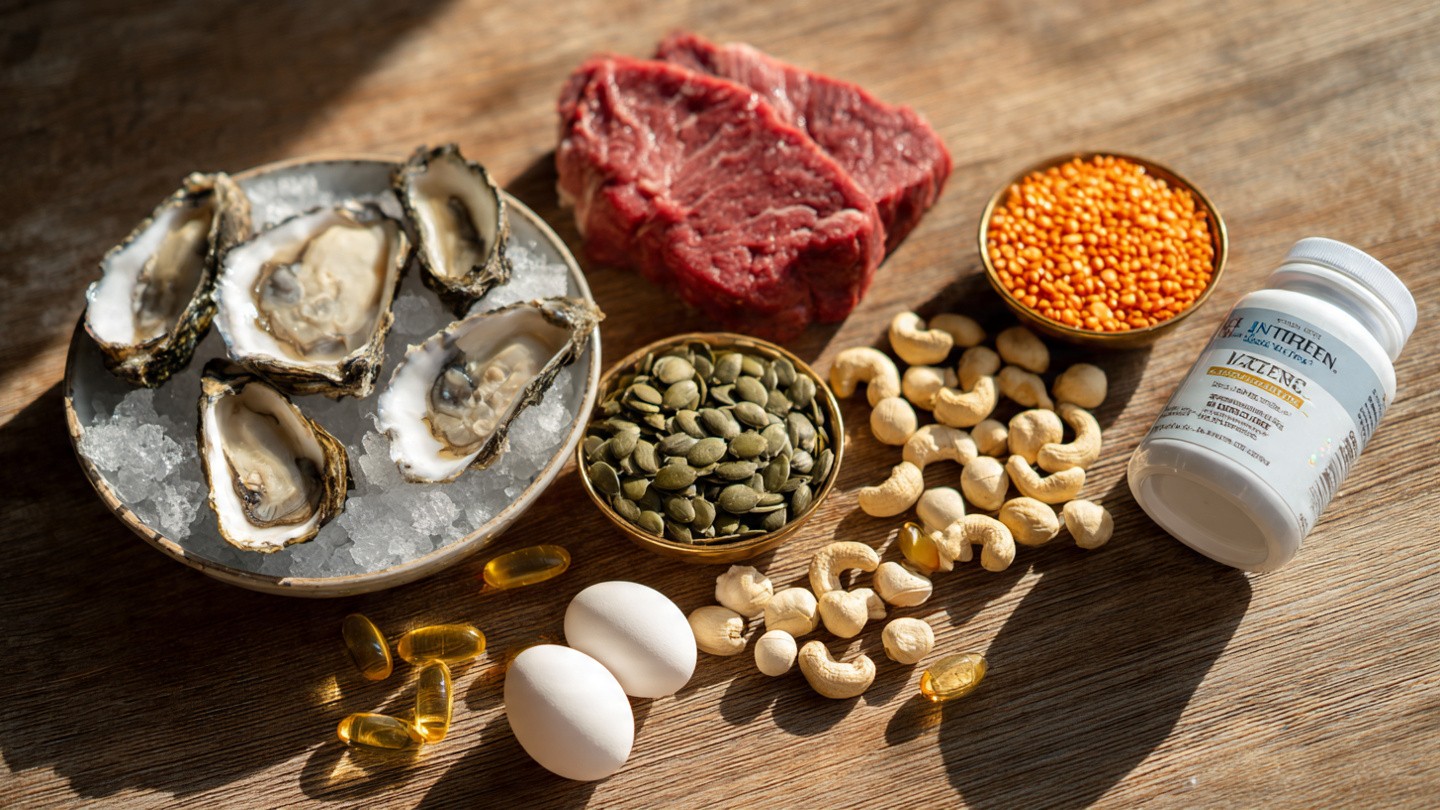
Your Body's Unsung Hero (and What Happens When It Goes on Vacation)
Imagine your body is a giant theme park. You've got the flashy rides (your heart, your brain), the gift shops (your organs), and the food stands (your digestive system). Now imagine there's one maintenance worker who somehow keeps everything running. They fix the rides, stock the shelves, manage the food, AND fight off anyone trying to sneak in without a ticket. That worker? Zinc.
Zinc is a mineral, which means your body can't make it on its own. You have to eat it. And while zinc doesn't have the fame of vitamin C or the dramatic backstory of iron, it is quietly doing about a hundred jobs in your body at any given moment. Literally. Scientists have found that zinc helps power more than 100 different enzymes. That's not a typo.
🌟 Fun Fact: Zinc is the second most common trace mineral in the human body after iron. You have about 2 to 3 grams of it distributed throughout your muscles, bones, skin, liver, and yes, even your eyeballs. |
What Does Zinc Actually Do?
Great question. Let's break it down without making your eyes glaze over.
Your Immune System's Hype Man
When a virus or bacterium crashes your body's party, your immune system sends in the troops. Zinc is what keeps those troops trained, fed, and ready to fight. Without enough zinc, your immune cells get sluggish and your ability to fight infections drops significantly. Studies show that people who are low in zinc get sick more often, take longer to recover, and have weaker responses to vaccines.
This is especially true for older adults and children in developing countries, where zinc deficiency is extremely common. Zinc supplementation in these populations can reduce pneumonia cases by up to 21% and cut diarrhea rates by nearly 10%. Those are not small numbers.
Your Skin, Hair, and Healing
Ever wonder why some wound care creams have zinc in them? It's because zinc is essential for making new cells and repairing damaged tissue. When you get a cut, zinc is part of the crew showing up to rebuild. Low zinc means slower healing, more infections, and skin that looks like it gave up on life.
Hair loss, rough skin, and mouth sores can all be signs that your zinc levels are lower than they should be. The skin condition acrodermatitis enteropathica, a rare genetic disorder where the body cannot absorb zinc properly, is so severe it is fatal if untreated. That's how important this mineral is.
Your Brain and Senses
Zinc is involved in how your taste buds and sense of smell work. This is why people who take too much intranasal zinc (zinc sprays you sniff up your nose) have sometimes permanently lost their sense of smell. The nose knows, and it does not appreciate being overloaded with zinc.
Beyond taste and smell, zinc plays a role in memory, learning, and mood. Zinc imbalances have been linked to Alzheimer's disease, depression, and other neurological conditions. Getting the right amount, not too little and not too much, is what keeps your brain humming along.
Growth, Hormones, and Reproduction
Zinc is crucial for normal growth in children and teens. Kids who don't get enough zinc can end up shorter than they should be and may experience delayed puberty. In males, zinc is important for testosterone production and sperm health. Low zinc can cause a condition called hypogonadism, which is basically the medical term for "your reproductive system is not doing its job."
🌟 Fun Fact: Oysters are by far the richest food source of zinc on the planet. A single serving of oysters can contain more zinc than you need for an entire week. This might explain some of their legendary reputation. |
Where Does Zinc Come From? (The Food Tour)
Here's the good news: zinc is in a lot of foods. Here's the slightly complicated news: not all zinc is created equal. Zinc from animal foods is absorbed at a rate of up to 40%, while zinc from plant foods is often absorbed at less than 15%. This is because plant foods contain something called phytates, which bind to zinc and make it harder for your body to grab onto.
The All-Stars: Animal Sources
These foods pack zinc that your body can absorb easily:
Oysters: the undisputed zinc champion of the food world
Beef and pork: especially organ meats like liver
Chicken and turkey
Eggs and dairy products like cheese and milk
Crab and lobster
Together, beef, poultry, pork, and dairy products account for 56 to 60% of the total zinc Americans eat. So if you eat a balanced diet with these foods, you're probably getting enough zinc without even thinking about it.
The Contenders: Plant Sources
Plant foods can absolutely contribute to your zinc intake, but you'll need to eat more of them (and prepare them thoughtfully) to get the same benefit:
Pumpkin seeds and hemp seeds
Legumes like beans, lentils, and chickpeas
Whole grains like oats and wheat
Tofu and tempeh
Nuts like cashews and almonds
Fortified breakfast cereals
Spinach and other dark leafy greens
If you're vegetarian or vegan, don't panic. Your body can adapt over time to absorb zinc more efficiently when dietary zinc is lower. But you do need to be intentional about it.
Kitchen Tricks to Boost Zinc Absorption from Plants
Since phytates are the villain here, your goal is to reduce them through food preparation. Here are the techniques that actually work, ranked from most to least powerful:
Fermentation: This is the champion. Fermenting grains and legumes (think sourdough bread, tempeh, miso) can reduce phytates by 56 to 96%. If you want to get more zinc from plant foods, eating fermented versions is your best bet.
Sprouting: Sprouting grains, beans, and seeds for 2 to 5 days reduces phytates by 40 to 80%. Sprouts are not just a sandwich topping. They're a zinc optimization strategy.
Soaking: Soaking dried beans or grains overnight (and discarding the soaking water) reduces phytates by 20 to 40%. Simple and effective.
Cooking with acidic ingredients: Adding lemon juice or vinegar creates an environment that helps zinc become more available for absorption.
🌟 Fun Fact: Sourdough bread is actually more nutritious than regular bread in terms of mineral availability. The fermentation process used to make it reduces phytates dramatically, making zinc and other minerals much easier to absorb. |
How Much Zinc Do You Actually Need?
This is where things get specific. The amount of zinc you need depends on your age, sex, and whether you're pregnant or breastfeeding. Here's a handy reference:
Who You Are | Daily Zinc Goal (RDA) | Do Not Exceed (UL) |
Adult men | 11 mg/day | 40 mg/day |
Adult women | 8 mg/day | 40 mg/day |
Pregnant women | 11 mg/day | 40 mg/day |
Teens (14 to 18) | 9 to 11 mg/day | 34 mg/day |
Children (9 to 13) | 8 mg/day | 23 mg/day |
Young children (1 to 3) | 3 mg/day | 7 mg/day |
One important nuance: these numbers are based on typical mixed diets. If you eat a high-phytate diet (lots of whole grains and legumes, not much meat), your actual zinc requirement could be nearly double these numbers because you're absorbing so much less of what you eat.
Zinc Deficiency: When the Maintenance Worker Calls In Sick
Zinc deficiency is shockingly common. Nearly 2 billion people worldwide are estimated to be zinc deficient, primarily in developing countries where people eat mostly plant-based, high-phytate diets. Even in wealthier countries, certain groups are at much higher risk.
Who Is Most at Risk?
Infants and young children, especially in low-income countries
Elderly adults, with nearly 1 in 5 people in their 80s being zinc deficient
Pregnant and breastfeeding women
People with liver cirrhosis, where deficiency rates can reach up to 96%
People with chronic kidney disease
Alcoholics, who both eat poorly and lose extra zinc through their urine
People with inflammatory bowel disease or other malabsorption conditions
Vegans and vegetarians who don't plan their diets carefully
People taking diuretics (water pills) or certain antibiotics
What Zinc Deficiency Looks Like
The tricky thing about zinc deficiency is that it looks like a lot of other things. Symptoms tend to be vague and easy to blame on something else:
Getting sick constantly or taking forever to recover from illnesses
Slow-healing wounds
Hair loss or thinning
Rough, irritated skin or rashes
Loss of taste or smell
Poor appetite
Mouth sores
In children: stunted growth and delayed puberty
In men: low testosterone and fertility issues
Cognitive decline in older adults (often mistaken for normal aging)
Here's the extra frustrating part: diagnosing zinc deficiency with a blood test is surprisingly unreliable. Blood zinc levels drop when you're sick or inflamed, even if you're not actually deficient. They also drop in the afternoon compared to the morning. And low blood zinc can simply mean you haven't eaten recently or your protein levels are low. Doctors have to look at the whole picture, not just the number.
⚠️ Important: If you suspect zinc deficiency, don't just start taking supplements without guidance. Blood tests need to be interpreted carefully, and taking too much zinc causes its own serious problems. Talk to a healthcare provider. |
Zinc Supplements: The Double-Edged Sword
Zinc supplements are widely available, cheap, and sometimes genuinely helpful. But they come with a surprising number of ways to go wrong. Here's what you need to know before grabbing a bottle off the shelf.
When Zinc Supplements Actually Help
Wilson disease: a genetic condition where copper builds up dangerously in the body. Zinc is actually a primary treatment.
Age-related macular degeneration: zinc combined with certain antioxidants slows vision loss in people with the dry form of this eye disease.
Childhood diarrhea in developing countries: proven to reduce severity and duration.
Frequent infections in elderly people with low zinc levels.
Common cold: taking zinc lozenges at 75 mg or more per day within 24 hours of the first sniffle may cut your cold short by about 2 to 3 days. Timing is everything here. Starting too late does nothing.
The Side Effects Nobody Warns You About
The most common side effects of zinc supplements are gastrointestinal. We're talking nausea, vomiting, stomach cramps, and general digestive misery. One study found that 84% of women who took 150 mg of zinc sulfate per day reported these symptoms. Taking zinc with a small amount of food can help reduce this.
But the really serious issue is something most people have never heard of: zinc-induced copper deficiency.
⚠️ Important: Zinc and copper are rivals. When you flood your gut with zinc, your intestinal cells produce a protein that grabs copper and locks it away, preventing absorption. Too much zinc over time starves your body of copper. This can cause anemia, nerve damage, and in severe cases, irreversible neurological symptoms including difficulty walking and loss of sensation. |
This happens at doses of 100 to 300 mg per day, well above the 40 mg daily upper limit. But even 50 mg per day has shown effects on copper levels. One study found that among patients prescribed zinc supplements, 62% were given doses high enough to cause copper deficiency, and many developed unexplained anemia or nerve problems before anyone connected it to the zinc.
Long-term excessive zinc also lowers your good cholesterol (HDL), suppresses the very immune system it's supposed to help, and may contribute to obesity, diabetes, and cardiovascular disease. The range between "helpful" and "harmful" with zinc is surprisingly narrow.
The Intranasal Zinc Warning
One last, very specific warning: do not put zinc spray in your nose. Intranasal zinc products have been associated with permanent loss of smell. This is not a reversible side effect. The olfactory nerve cells that line your nasal passages are particularly vulnerable to zinc overload, and once they're damaged, they may not come back. Zinc lozenges that dissolve in your mouth and throat are a completely different story and are considered safe when used as directed.
Special Situations: Zinc in Specific Conditions
Zinc and the Common Cold
The evidence here is actually pretty interesting. A large 2024 review of 34 studies found that zinc can reduce how long a cold lasts by about 2 and a half days. That's meaningful when you consider the average cold lasts 7 days. However, the evidence is rated as low certainty because the studies are very inconsistent with each other, and side effects like nausea and bad taste are common enough that many people stop taking the lozenges before finishing the course.
The bottom line: zinc lozenges work best if you start them immediately at the first sign of a cold and can tolerate the unpleasant taste. They will not prevent you from getting a cold in the first place, and the evidence for prevention in adults is weak.
Zinc and Children in Developing Countries
This is where zinc supplementation has its clearest, most dramatic benefits. Studies in South Asia and Africa have shown that giving children 10 to 15 mg of zinc per day can reduce pneumonia cases by 21%, cut diarrhea rates significantly, and in one Bangladesh study, reduce overall childhood mortality by 85% primarily by preventing pneumonia.
For children already sick with diarrhea, the WHO recommends 20 mg of zinc per day for 10 to 14 days. Interestingly, recent research shows that 5 mg or 10 mg doses work just as well and cause much less vomiting. This matters because a child who vomits up their zinc dose gets no benefit at all.
Zinc and Liver Disease
If you or someone you know has cirrhosis, zinc status is something their doctor should absolutely be checking. Studies find that up to 96% of cirrhosis patients are zinc deficient. The symptoms of zinc deficiency, including poor appetite, taste changes, skin problems, increased infection risk, and cognitive changes, are often blamed entirely on the liver disease when zinc deficiency is actually contributing. Supplementation in this population is recommended and generally well tolerated.
Zinc and Kidney Disease
Chronic kidney disease causes zinc loss in multiple ways: poor dietary intake due to protein restrictions, increased urinary excretion, and altered metabolism. Low zinc in these patients is associated with anemia that doesn't respond to treatment, taste disturbances, poor appetite, skin problems, and faster cognitive decline. It's worth checking zinc status in anyone with significant kidney disease.
The Bottom Line: Zinc in Perspective
Zinc is one of those nutrients that nobody thinks about until something goes wrong. It doesn't have the dramatic deficiency disease name recognition of scurvy (vitamin C) or rickets (vitamin D), but its absence quietly undermines nearly every system in your body.
The good news: most people eating a varied diet with some animal protein are getting enough zinc without even thinking about it. The people who need to pay attention are those with very plant-heavy diets (especially without fermented or sprouted foods), elderly adults, people with chronic diseases, heavy drinkers, and anyone on medications that deplete zinc.
If you're considering a zinc supplement, the smartest approach is this: use the lowest effective dose, don't exceed 40 mg per day unless specifically directed by a doctor, start zinc lozenges at the absolute first sign of a cold, and if you're taking zinc long-term, make sure your doctor is checking your copper levels too.
Zinc doesn't need to be complicated. Eat oysters once in a while, include some meat or legumes in your diet, ferment and soak your plant foods when you can, and your body's maintenance worker will keep showing up for the job.
🌟 Fun Fact: Denture adhesive creams can contain enough zinc to cause toxicity in people who use large amounts of them daily. Several case reports describe patients developing serious nerve damage from this unexpected zinc source. Read the labels on everything. |
Quick Reference Summary
Topic | Key Takeaway |
Best food sources | Oysters, beef, pork liver, chicken, dairy, pumpkin seeds, lentils |
Daily goal (adults) | 8 to 11 mg per day depending on sex |
Upper safe limit | 40 mg per day for adults |
Top deficiency risk groups | Elderly, children in developing countries, liver/kidney disease patients, alcoholics, strict vegans |
Common deficiency signs | Frequent illness, slow wound healing, hair loss, taste changes, skin rashes |
Best plant food prep | Ferment, sprout, or soak your grains and legumes |
Supplements for colds | Lozenges at 75 mg or more per day, started within 24 hours of symptoms |
Biggest supplement risk | Copper deficiency from excessive long-term zinc use |
Avoid completely | Intranasal zinc (can permanently destroy sense of smell) |
This article is for educational purposes. Always consult a healthcare provider before starting any supplement.
HSA/FSA Eligible
Doctors Are Human.
That's Why There's Medome.
Start your free trial today. No credit card required.
Start Your Free Trial
Join thousands protecting their health with AI that never forgets
Critical details get missed when your health information is scattered. Medome connects the dots across your complete record.
Start Your Free Trial
Quick Links
Medome Men
Home
Pricing
About
Health News
HealthSigns
FAQ
Contact Us
Terms of Service
Privacy Policy
Get In Touch
Email: service@medome.ai
Phone: (617) 319-6434
This is Dr. Steven Charlap’s cell. Please text him first, explaining who you are and how he can help you. Use WhatsApp outside the US.
Hours: Mon-Fri 9:00AM - 9:00PM ET