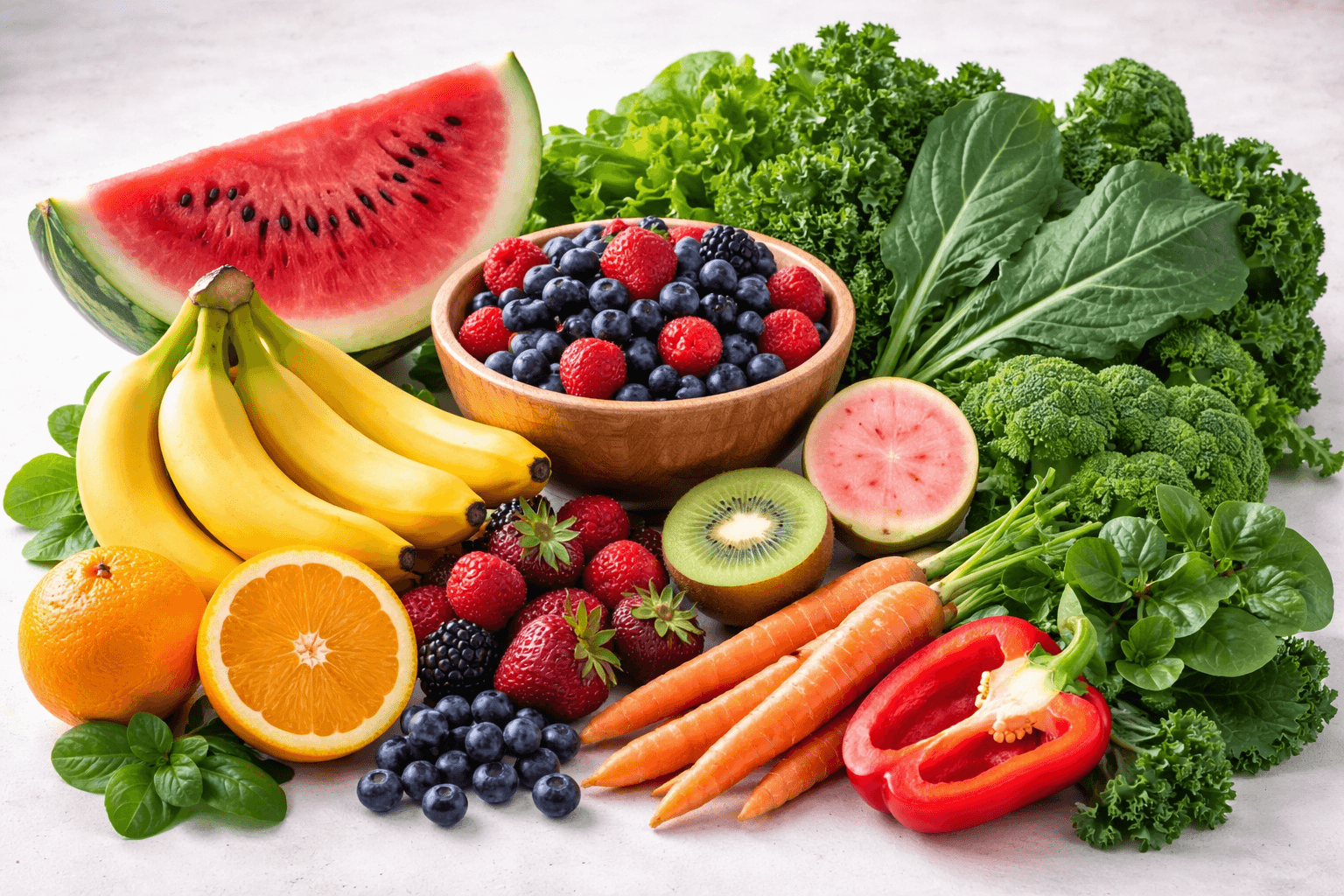
Introduction: Why Should You Care About Produce?
Let us be honest with you. Most of us know we should eat more fruits and vegetables. Yet somehow, a bag of chips still seems more exciting than a bowl of spinach. But what if you learned that eating the right plants could cut your risk of heart disease, stroke, diabetes, and even some cancers by 10 to 30 percent? Suddenly that spinach looks a lot more interesting.
Scientists have spent decades studying thousands of foods, crunching numbers, and running experiments to figure out which fruits and vegetables give us the most health benefits per bite. This article breaks down their top twenty picks in plain English, with a few laughs along the way. Think of it as a backstage pass to the produce aisle.
Part One: The Top Ten Fruits
Fruit gets a bad reputation sometimes. People say it has too much sugar. But whole fruit is nothing like soda or candy. The fiber in fruit slows down how your body absorbs the natural sugars, and fruit comes loaded with vitamins, minerals, and thousands of special plant chemicals that protect your body. Here are the ten fruits that scientists say are the absolute superstars.
🥭 1. Guava
If guava were a student, it would be the overachiever who gets straight A's, plays three sports, and still somehow has time to volunteer on weekends. This tropical fruit packs more vitamin C per 100 grams than almost any food on Earth, clocking in at about 228 milligrams. For comparison, an orange has around 53 milligrams. So guava is basically four oranges in one fruit.
Vitamin C is not just for fighting colds. It helps your body absorb iron, builds collagen that keeps your skin looking good, and acts as a powerful antioxidant that fights cell damage. Guava also brings fiber, vitamin A, lycopene (the same red pigment found in tomatoes), and a whole army of polyphenols that help protect your heart.
Fun Fact: The word "guava" comes from the Spanish guayaba, which itself came from the indigenous Arawak people of the Caribbean. So when you eat guava, you are enjoying a fruit with a history that stretches back centuries before European explorers even arrived in the Americas.
🥝 2. Kiwi
The kiwi looks like a fuzzy brown egg and tastes like a party in your mouth. Do not let the small size fool you. One kiwi fruit contains nearly all the vitamin C you need for a full day, plus generous amounts of vitamin K (which helps your blood clot properly and keeps your bones strong), vitamin E, potassium, and fiber.
Kiwi also contains a unique enzyme called actinidin that helps your body digest protein more efficiently. So if you eat a kiwi after a meal, your digestive system basically gets a little helper. Scientists who study nutrient density consistently rank kiwi near the very top of all fruits because it delivers so many different nutrients in one small package.
🫐 3. Berries (Blueberries, Strawberries, Blackberries)
Berries are the rock stars of the fruit world. They are small, colorful, and absolutely packed with something called anthocyanins. These are the pigments that give blueberries their deep blue color, strawberries their red color, and blackberries their dark purple color. Anthocyanins are not just decorative. They are powerful antioxidants that help protect your blood vessels, reduce inflammation, and may lower your risk of heart disease.
Studies show that people who eat berries regularly have lower blood pressure, better cholesterol levels, and healthier blood sugar control. Blueberries in particular have been linked to better memory and slower cognitive decline as people age. So eating berries is basically a tasty way to invest in your future brain.
Did You Know? A single cup of blueberries contains about 85 calories but delivers over 3.5 grams of fiber and nearly a quarter of your daily vitamin C. That is what nutritionists call a very good deal.
🍊 4. Oranges and Citrus Fruits
Orange you glad we included these? Citrus fruits, including oranges, grapefruits, lemons, and limes, have been studied for their effects on heart health for decades. The results are consistently impressive. People who eat citrus regularly have lower rates of stroke, heart disease, and certain cancers.
The secret weapons in citrus are compounds called flavanones, particularly hesperidin and naringenin. These special chemicals reduce inflammation and help keep your arteries flexible and healthy. Citrus fruits also give you folate, which is especially important for pregnant women because it helps prevent birth defects, and potassium, which helps control blood pressure.
🍈 5. Papaya
Papaya was Christopher Columbus's favorite fruit, and honestly, the man had good taste in at least one thing. This tropical fruit is an excellent source of vitamin C, vitamin A, folate, and a unique enzyme called papain that helps break down protein during digestion. Athletes and people with digestive issues have used papain supplements for years, but you can get it straight from the source.
Papaya also contains carotenoids, including beta-carotene and lycopene, which give it that gorgeous orange color and provide powerful antioxidant protection. The flesh of a ripe papaya is so soft it practically melts, which makes it a great choice for smoothies, fruit salads, or eating straight out of the skin with a spoon like a tropical king or queen.
🍎 6. Apples and Pears
An apple a day keeps the doctor away, and it turns out that old saying has more scientific backing than you might think. A major 2024 research study looked at the quality of different fruits and vegetables and their connection to chronic disease risk. Apples and pears were classified as high quality foods that significantly reduced the risk of heart disease and diabetes.
The key is that apples and pears contain both soluble fiber (which lowers cholesterol) and a flavonoid called quercetin (which reduces inflammation). The fiber in an apple actually feeds the good bacteria in your gut, helping your whole digestive system function better. Important tip: eat the skin. That is where most of the quercetin lives. Peeling your apple is like buying a concert ticket and leaving before the band plays.
Fun Fact: There are over 7,500 known varieties of apples grown around the world. The ones in most American grocery stores represent only a tiny fraction of the options out there. If you tried a new variety every day, it would take over twenty years to get through them all.
🥭 7. Mango
Mango is called the king of fruits in many parts of the world, and that title is not just about the taste. One cup of mango provides about 70 percent of your daily vitamin C, 25 percent of your daily vitamin A, and significant amounts of folate, potassium, and fiber. It also contains a group of polyphenols called mangiferin that researchers are studying for their potential to fight inflammation and protect against metabolic disease.
The deep orange color of ripe mango flesh is actually beta-carotene, the same compound that gives carrots their orange color. Your body converts beta-carotene into vitamin A, which is essential for healthy vision, a strong immune system, and healthy skin. So mango is essentially a delicious, fruity multivitamin.
🍎 8. Pomegranate
If you have ever tried to eat a pomegranate without getting juice everywhere, you know it requires either patience, skill, or a complete disregard for your shirt. But the effort is worth it. Pomegranate seeds are loaded with a unique group of antioxidants called punicalagins and punicic acid that are found almost nowhere else in the food world.
These compounds are so powerful that pomegranate juice has greater antioxidant activity than red wine or green tea, two foods that people already consider very healthy. Research shows that regular pomegranate consumption can lower blood pressure, reduce LDL cholesterol oxidation (the type of cholesterol damage that contributes to heart disease), and reduce inflammation. Pomegranate also provides vitamin C, vitamin K, and fiber.
🍌 9. Banana
Bananas are the most popular fruit in the United States, and for good reason. They are affordable, portable, come in their own biodegradable wrapper, and taste great. From a nutrition standpoint, bananas are an excellent source of potassium, with one medium banana providing about 422 milligrams, or roughly 9 percent of your daily needs.
Potassium is critical for heart health and blood pressure control. Most Americans get far too little potassium in their diets. Bananas also provide vitamin B6, which your nervous system needs to function properly, and resistant starch, especially when they are slightly green. Resistant starch acts like fiber, feeding your gut bacteria and improving blood sugar control.
Fun Fact: Bananas are technically berries in botanical terms, while strawberries are technically not berries at all. Botany is wild.
🍉 10. Watermelon
Watermelon is about 92 percent water, which makes it one of the most hydrating foods you can eat. Beyond the water content, watermelon is an excellent source of lycopene, the powerful antioxidant also found in tomatoes. Watermelon actually contains more lycopene per serving than raw tomatoes. Lycopene has been linked to reduced risk of prostate cancer, heart disease, and age-related eye problems.
Watermelon also contains citrulline, an amino acid that your body converts into arginine, which helps relax and dilate blood vessels. This is why some athletes eat watermelon before exercise. It essentially does a mild version of what certain blood pressure medications do. Plus, it tastes like summer.
Part Two: The Top Ten Vegetables
If fruits are the superstars of produce, vegetables are the unsung heroes. They do the quiet, steady work of providing vitamins, minerals, fiber, and phytochemicals that keep your body running smoothly. The vegetables on this list are particularly dense with nutrients, meaning you get a huge nutritional payoff for the calories you consume. Dark, leafy greens and cruciferous vegetables dominate this list, and for very good scientific reasons.
🥬 1. Spinach
Spinach is the undisputed champion of the vegetable world. It is basically a multivitamin in leaf form. One hundred grams of spinach provides 483 micrograms of vitamin K, more than four times the daily recommended intake. It also delivers vitamin A, vitamin C, folate, iron, magnesium, potassium, and two carotenoids called lutein and zeaxanthin that are essential for eye health.
Lutein and zeaxanthin actually form the pigment that protects your retinas from damage caused by blue light and UV radiation. People with higher levels of these compounds in their diet have significantly lower rates of age-related macular degeneration, which is a leading cause of blindness in older adults. So eating spinach is literally good for your eyesight.
Research also shows that each small additional serving of leafy green vegetables per day is linked to a 13 percent reduction in the risk of developing type 2 diabetes. That is a remarkable effect from adding a handful of greens to your daily diet.
One Caution: Spinach is very high in oxalates, compounds that can contribute to kidney stones in people who are prone to them. If you have a history of kidney stones, talk to your doctor about how much spinach is right for you.
🥦 2. Kale
Kale was the trendy vegetable of the 2010s, and while the hype may have calmed down a bit, the nutritional science has not. Kale genuinely deserves its reputation. It provides extraordinary amounts of vitamin K, vitamin A, and vitamin C, along with calcium, fiber, and a group of compounds called glucosinolates.
When you chew or chop kale, the glucosinolates break down into isothiocyanates, including a particularly well-studied compound called sulforaphane. Sulforaphane activates a protein in your cells called Nrf2 that essentially switches on your body's own antioxidant defense system. It is like giving your cells a software update that improves their ability to fight damage and inflammation. Scientists are actively studying sulforaphane as a potential cancer prevention compound.
One practical advantage of kale over spinach: kale is low in oxalates, which means its calcium is much more bioavailable. Your body can actually absorb the calcium from kale about as well as it absorbs calcium from milk.
🥦 3. Broccoli
Broccoli is the vegetable that children have been dramatically pushing to the edge of their plates for generations. But if those kids knew what broccoli was doing for their bodies, they might reconsider. Broccoli is a member of the cruciferous vegetable family, which means it also contains glucosinolates and their derivative, sulforaphane.
Broccoli is exceptionally high in vitamin C, delivering about 89 milligrams per 100 grams, more than many citrus fruits. It also provides vitamin K, folate, fiber, and potassium. Large population studies consistently show that people who eat more cruciferous vegetables like broccoli have lower rates of lung, colorectal, and breast cancer.
Cooking Tip: To get the most sulforaphane from broccoli, steam it lightly for 3 to 5 minutes rather than boiling it. Boiling causes the glucosinolates to leach out into the water, which you then pour down the drain. Steaming keeps the good stuff in the vegetable where it belongs.
🌿 4. Swiss Chard
Swiss chard has some of the most dramatic leaves in the vegetable kingdom, with brilliant red, yellow, and white stems that look like they belong in a garden show. It is also an absolute powerhouse of nutrition. Swiss chard contains more vitamin K per serving than almost any other food, providing a staggering 830 micrograms per 100 grams. That is nearly seven times the daily recommended amount.
It also delivers magnesium (important for blood sugar control and hundreds of enzymatic reactions in the body), potassium, vitamins A and C, and fiber. Swiss chard contains unique compounds called betalains, the same pigments found in beets, which have antioxidant and anti-inflammatory properties. If you have never tried it, Swiss chard tastes milder than spinach and works beautifully when sauteed with olive oil and garlic.
🥬 5. Collard Greens
Collard greens have been a staple of Southern American cooking for generations, and the communities that grew up eating them were onto something nutritionally brilliant. Collard greens are one of the best plant-based sources of calcium available, providing 232 milligrams per 100 grams. Unlike spinach, collard greens are low in oxalates, so that calcium is actually well absorbed by your body.
Collard greens also contain vitamin K, vitamin A, vitamin C, and glucosinolates. Traditional preparation methods, such as slow cooking with a smoked protein for flavor, may reduce some water-soluble vitamins but the minerals and fat-soluble vitamins remain largely intact. For plant-based eaters especially, collard greens are an invaluable source of calcium and other minerals that are harder to get without dairy products.
🫑 6. Red Bell Pepper
Red bell peppers are basically the gift that keeps on giving. They are crisp, sweet, colorful, and absolutely packed with vitamin C. In fact, a single red bell pepper contains about 127 milligrams of vitamin C, which is more than most oranges. Green bell peppers, which are actually just unripe red bell peppers, contain much less vitamin C and fewer carotenoids. Letting the pepper ripen to red is worth the wait.
Red bell peppers are also rich in beta-carotene, which your body converts to vitamin A, and in a carotenoid called capsanthin that gives them their vivid red color. They provide vitamin B6 (important for brain health and protein metabolism), fiber, and folate. Best of all, they taste great raw with hummus, roasted in the oven, or stuffed with all manner of delicious fillings.
Fun Fact: Red, yellow, orange, and green bell peppers are all the same plant, just picked at different stages of ripeness. The color indicates how mature the pepper is. Red is the ripest and sweetest, with the highest concentration of vitamins and antioxidants.
🥕 7. Carrot
Carrots contain more beta-carotene than almost any other vegetable. One hundred grams of carrots provides about 835 micrograms of vitamin A (as retinol activity equivalents), which is nearly 100 percent of your daily recommended intake. Beta-carotene is a fat-soluble antioxidant, which means you absorb it better when you eat it with a little fat. Drizzle those carrots with olive oil or pair them with hummus (which contains tahini, a fat-containing sesame paste) and your body will absorb several times more beta-carotene than if you ate them plain.
Carrots also contain a class of compounds called polyacetylenes that researchers believe may have cancer-preventive properties. The fiber in carrots is partly soluble, which helps lower LDL cholesterol. And yes, carrots really are good for your vision, though eating more of them will not give you superhuman night vision. That particular World War II myth was wartime propaganda invented by the British to hide the fact that they had developed radar. True story.
🍠 8. Sweet Potato
Sweet potatoes are one of the most complete foods you can find in the produce section. They provide complex carbohydrates for energy, fiber for digestive health, potassium for heart health, and an enormous amount of beta-carotene. The deep orange color of a sweet potato tells you exactly how much beta-carotene is in there, and the answer is a lot. One medium sweet potato can provide over 100 percent of your daily vitamin A needs.
Sweet potatoes are also among the most affordable nutrient-dense vegetables available. Nutrition researchers who have studied which vegetables provide the most nutrients per dollar consistently rank sweet potatoes near the very top. They can be baked, mashed, roasted, used in soups, or even made into fries that are genuinely better for you than regular potato fries. They are the overachieving, budget-friendly, beautiful golden vegetable that everyone should be eating more of.
🍅 9. Tomato
A tomato is technically a fruit in botanical terms, but it made the vegetable list because that is how most of us use it in cooking. Tomatoes are the richest dietary source of lycopene among commonly eaten foods. Lycopene is a carotenoid that gives tomatoes their red color and has been linked to reduced risk of prostate cancer, cardiovascular disease, and age-related eye conditions.
Here is a key fact that surprises many people: cooking tomatoes actually increases the bioavailability of lycopene. The heat breaks down the cell walls and changes the form of lycopene to one that your body absorbs more readily. Cooking tomatoes in olive oil is even better, since lycopene is fat-soluble. Tomato sauce, marinara, and roasted tomatoes are therefore actually healthier than raw tomatoes for lycopene absorption. Science just gave you permission to eat more pasta sauce.
Did You Know? The United States Supreme Court ruled in 1893 that the tomato is legally a vegetable for the purposes of tariff law, despite being botanically a fruit. Even the highest court in the land could not resolve this produce controversy.
🥦 10. Brussels Sprouts
Brussels sprouts have a reputation problem. Too many people have encountered them in their worst form: boiled to grey mush and smelling like a gym locker. Properly prepared, roasted Brussels sprouts are completely different, caramelized and crispy with a nutty, slightly sweet flavor that bears no resemblance to their boiled counterpart.
From a nutrition standpoint, Brussels sprouts are another cruciferous champion. They provide vitamin C, vitamin K, folate, fiber, and glucosinolates (including sulforaphane, as discussed in the kale and broccoli sections). They are particularly high in folate, which is important for DNA synthesis and cell division. People who are planning to become pregnant, are pregnant, or are simply interested in keeping their DNA replication running smoothly should eat more Brussels sprouts.
Part Three: How Much Should You Actually Eat?
Scientists who have looked at the relationship between fruit and vegetable intake and disease risk have found something interesting: the benefits keep increasing as you eat more, but they level off at around five servings per day. The sweet spot appears to be two servings of fruit and three servings of vegetables daily, for a total of about 400 to 800 grams.
People who eat this amount have about 13 percent lower risk of dying from any cause, 12 percent lower risk of dying from cardiovascular disease, and 10 percent lower risk of dying from cancer, compared to people who eat only two servings per day. That is a significant difference from what amounts to adding a few handfuls of plants to your daily routine.
A serving is roughly one medium piece of fruit, one cup of raw leafy greens, or half a cup of other vegetables. If you think of your plate at each meal, fruits and vegetables ideally take up half of it. The other half can be divided between whole grains and a protein source.
Part Four: Should You Buy Organic?
The organic versus conventional debate is one of the most common questions people have about produce. Here is what the science actually says: for most fruits and vegetables, it does not matter much nutritionally. The nutrient content of organic and conventional produce is similar. The main difference is in pesticide residue levels.
Conventional produce often contains trace amounts of pesticide residue. For most adults, these levels are well below what regulatory agencies consider harmful. However, for pregnant women, young children, and people who eat large amounts of the highest-residue produce, choosing organic for certain items makes sense as a precaution.
The items with the highest pesticide residues, sometimes called the Dirty Dozen, include strawberries, spinach, kale and other leafy greens, apples, pears, grapes, bell peppers, cherries, tomatoes, and celery. For these items, buying organic when you can afford it and have access to it is a reasonable choice.
Items with consistently low pesticide residues include bananas, broccoli, carrots, mango, sweet potato, avocados, pineapple, and cabbage. For these, there is little benefit to buying organic from a pesticide standpoint.
The most important message from health organizations is this: the benefits of eating fruits and vegetables far outweigh any risks from pesticide residues. Never let worries about pesticides stop you from eating your produce. A conventional apple is vastly better for you than no apple at all.
Part Five: Getting the Most Out of Your Produce
Knowing which foods are healthy is only useful if you actually eat them. Here are some practical tips to maximize both the nutrition and the enjoyment you get from the top twenty.
Cook smart. Steam or microwave vegetables instead of boiling them. Boiling leaches water-soluble vitamins and antioxidants into the water, which you then pour down the drain. Steaming preserves them in the food.
Add healthy fat to carotenoid-rich vegetables. Beta-carotene in carrots and sweet potatoes, lycopene in tomatoes, and lutein in spinach and kale are all fat-soluble, meaning your body absorbs them far better when they are eaten with a little fat. Dress your salads with olive oil, roast your vegetables with a drizzle of oil, or add some avocado to your greens.
Pair iron-rich greens with vitamin C sources. The iron in spinach, kale, and Swiss chard is non-heme iron, which is not as easily absorbed as the iron in meat. Eating these greens with vitamin C from citrus, bell peppers, or tomatoes dramatically increases iron absorption. A spinach salad with strawberries and a lemon dressing is not just delicious, it is a nutritionally synergistic masterpiece.
For cruciferous vegetables, a brief steam works best. Light steaming for 3 to 5 minutes activates the enzyme myrosinase that converts glucosinolates into sulforaphane. Overcooking destroys this enzyme and reduces the health benefits significantly.
Wash your produce. Even if you are buying organic, washing fruits and vegetables thoroughly removes surface residues, soil, and microbes. A baking soda solution (one teaspoon of baking soda per two cups of water, soaked for 12 to 15 minutes) is more effective than plain water for removing pesticide residues from produce like apples and strawberries.
Conclusion: The Most Impactful Dietary Choice You Can Make
The twenty fruits and vegetables in this article represent the most nutrient-dense, health-promoting plant foods available to most people. They collectively provide nearly every essential vitamin and mineral your body needs (with the exception of vitamin B12, vitamin D, and omega-3 fatty acids, which require other food sources or supplements), along with thousands of bioactive plant compounds that protect against the leading causes of death in modern society.
Heart disease, type 2 diabetes, stroke, many cancers, cognitive decline, and high blood pressure are all significantly less common in people who eat plenty of these foods. The dose-response relationship is clear and consistent across dozens of large studies from different countries: more fruits and vegetables means fewer chronic diseases and a longer, healthier life.
The good news is that you do not need to eat all twenty every day. Eating a variety of these foods regularly, aiming for five servings per day, and prioritizing the dark, colorful options (the deeper and more vivid the color, usually the richer the phytochemical content) will put you well ahead of most people in terms of nutritional protection.
Your body is worth the investment. And honestly, once you start preparing these foods well and eating them regularly, you may find that the kale, broccoli, and guava are not just good for you. They are actually delicious.
Eat your vegetables. Your future self will thank you.
HSA/FSA Eligible
Doctors Are Human.
That's Why There's Medome.
Start your free trial today. No credit card required.
Start Your Free Trial
Join thousands protecting their health with AI that never forgets
Critical details get missed when your health information is scattered. Medome connects the dots across your complete record.
Start Your Free Trial
Quick Links
Medome Men
Home
Pricing
About
Health News
HealthSigns
FAQ
Contact Us
Terms of Service
Privacy Policy
Get In Touch
Email: service@medome.ai
Phone: (617) 319-6434
This is Dr. Steven Charlap’s cell. Please text him first, explaining who you are and how he can help you. Use WhatsApp outside the US.
Hours: Mon-Fri 9:00AM - 9:00PM ET