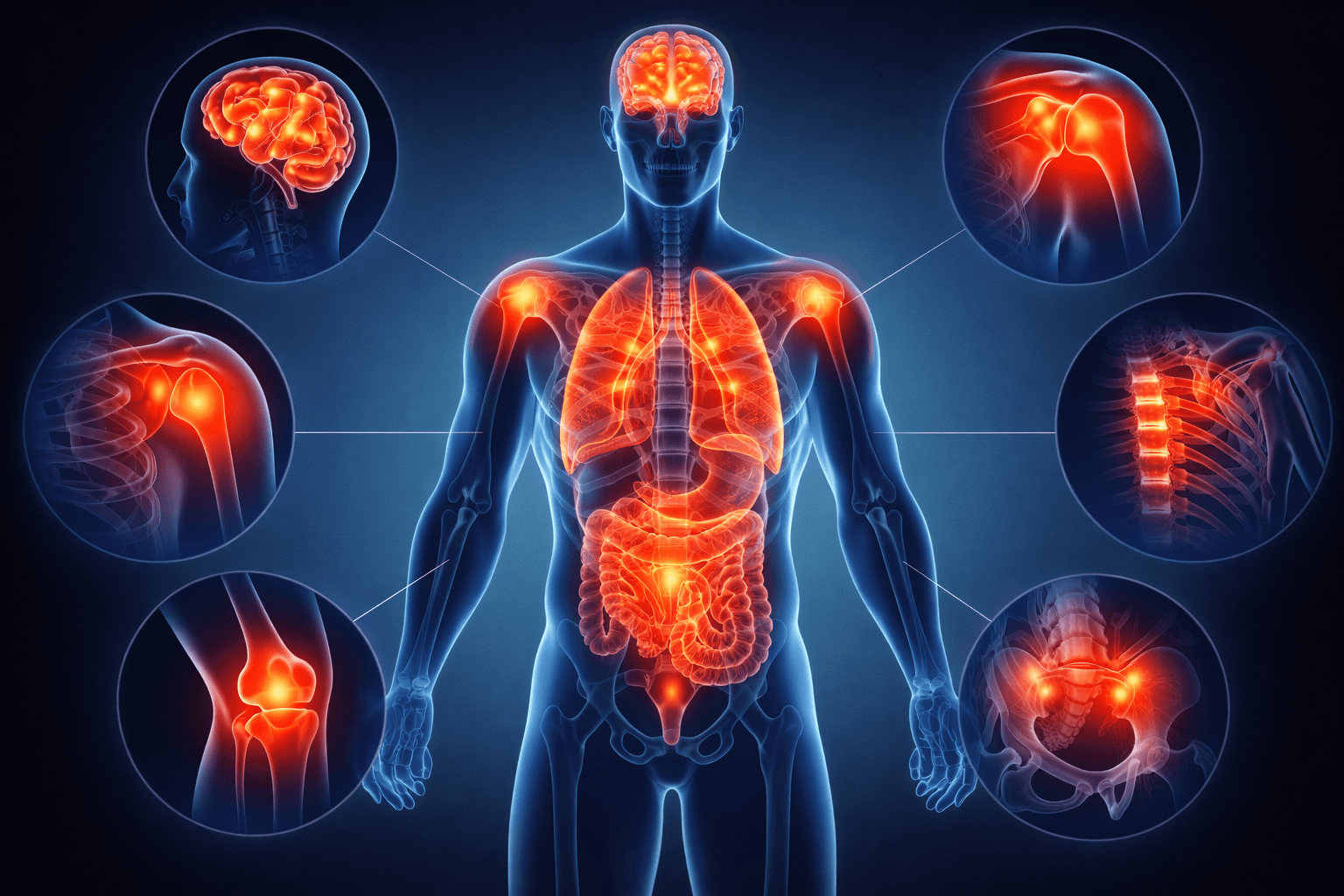
A Comprehensive, Evidence-Based Health Guide Based on the Latest Clinical Research and Medical Guidelines. Copyright 2026 Medome.ai | All Rights Reserved. This guide is for educational purposes only. Always consult your healthcare provider before changing your treatment plan.
Part 1: What Is Inflammation, Anyway?
Picture your immune system as a tiny fire department living inside your body. When something goes wrong, like a scraped knee, a bad germ, or a splinter, the fire department rushes in, sprays water everywhere, and puts out the fire. That rush of water? That is inflammation. The redness, swelling, heat, and pain you feel after an injury? That is your immune system doing its job, and it is actually a good thing.
The word inflammation comes from the Latin word for fire: inflammare. And just like a real fire, a little bit of it is useful. A lot of it for a long time is a disaster.
The Good Kind: Acute Inflammation
Acute inflammation is short-term and helpful. It starts fast and ends fast. Here is what happens when you cut your finger:
Blood vessels widen so more blood can reach the injury.
Special immune cells called white blood cells rush to the scene.
The area gets red, warm, swollen, and painful.
The immune system kills germs, cleans up dead cells, and starts repairs.
After a few days, inflammation goes away and healing is complete.
This process is normal, necessary, and life-saving. Without it, even a tiny cut could kill you.
The Bad Kind: Chronic Inflammation
Chronic inflammation is the long-term, low-grade version that never really turns off. Think of it as a smoke alarm that keeps beeping even when there is no fire. The alarm is not broken exactly, but something keeps triggering it over and over. This constant low-level alarm state slowly damages your body from the inside.
🔥 Why This Matters
Chronic inflammation is now recognized as the common thread behind most of the leading causes of death and disability worldwide, including heart disease, diabetes, cancer, Alzheimer's disease, and arthritis.
How Does Chronic Inflammation Start?
Your immune system sends out messengers called cytokines. Think of cytokines as tiny text messages that tell your body to ramp up or calm down the immune response. In chronic inflammation, your body keeps sending the "ramp up" message even when it should stop. The main alarm-trigger cytokines include:
IL-6 (Interleukin-6): A key driver of the inflammatory response, linked to heart disease, diabetes, and depression.
TNF-alpha: Short for tumor necrosis factor. This one is a big deal in joint diseases like rheumatoid arthritis.
IL-1 beta: Triggers fever and joint damage.
IL-8: Recruits more immune cells to problem areas.
When these cytokines stay elevated for months or years, they cause a slow-burning kind of damage to blood vessels, brain cells, joints, and organs. The liver responds by producing a protein called C-reactive protein, or CRP, which doctors can measure in a blood test to see how much inflammation is going on in your body.
The Inflammation Scorecard: What Is CRP?
High-sensitivity C-reactive protein, known as hsCRP, is your doctor's go-to blood test for measuring systemic inflammation. It is stable, inexpensive, and widely available. Think of it as your inflammation report card.
hsCRP Level | What It Means | What To Do |
|---|---|---|
Less than 1 mg/L | Low relative risk. Great news! | Keep up healthy habits. |
1 to 3 mg/L | Average risk. Room to improve. | Work on lifestyle changes. |
Greater than 3 mg/L | Higher risk. Take action. | See your doctor. Increase lifestyle efforts. |
Greater than 10 mg/L | May signal active infection or serious inflammation. | Retest in 2 to 3 weeks. See your doctor promptly. |
🩺 New Guidelines Alert
The American College of Cardiology's 2025 Scientific Statement now recommends universal hsCRP screening for both primary and secondary cardiovascular disease prevention. This means everyone should know their number, not just sick people.
Part 2: What Chronic Inflammation Attacks in Your Body
Chronic inflammation is not picky. It can damage almost every system in your body. Think of it as a very slow, very quiet wrecking ball working from the inside.
Your Heart and Blood Vessels
Inflammation is the engine behind atherosclerosis, the process where plaque builds up inside your arteries. Inflammatory cytokines like TNF-alpha, IL-6, and IL-1 beta damage the inner lining of blood vessels, allow bad cholesterol to sneak in, and then trigger the immune system to attack the cholesterol, creating dangerous plaques. When a plaque ruptures, you get a heart attack or stroke.
People with chronic inflammatory conditions like rheumatoid arthritis experience 1.5 to 3 times the rate of heart attacks compared to the general population. Inflammation also contributes to heart failure, irregular heartbeats, and valve problems.
Your Brain
Systemic inflammation can cross the blood-brain barrier and cause what scientists call neuroinflammation. This contributes to vascular dementia, Alzheimer's disease, depression, anxiety, and cognitive decline. Inflammatory markers predict increased risk of stroke and mental decline years before symptoms appear.
Your Joints
In rheumatoid arthritis and other inflammatory joint diseases, the immune system attacks the joint lining. This causes cartilage destruction, bone erosion, severe pain, and deformity. The damage can affect the eyes, lungs, and skin too.
Your Metabolism
Chronic inflammation is deeply linked to obesity, type 2 diabetes, nonalcoholic fatty liver disease, and metabolic syndrome. Fat cells, especially belly fat, pump out inflammatory cytokines, creating a vicious cycle: inflammation promotes fat storage, and fat storage worsens inflammation.
Your Gut
Inflammatory bowel disease, including Crohn's disease and ulcerative colitis, involves runaway inflammation in the digestive tract. Even ordinary gut dysbiosis, an imbalance in gut bacteria, can trigger system-wide inflammatory responses through the gut-immune connection.
Your Kidneys, Lungs, Skin, Eyes, and More
Chronic inflammation can show up as glomerulonephritis in the kidneys, interstitial lung disease, psoriasis and vasculitis in the skin, uveitis and scleritis in the eyes, and anemia in the blood. Essentially, wherever your immune system goes on overdrive, tissue damage follows.
Body System | How Inflammation Harms It | Conditions It Causes |
|---|---|---|
Heart and Vessels | Damages artery walls, destabilizes plaques | Heart attack, stroke, heart failure |
Brain | Breaks down blood-brain barrier, kills neurons | Alzheimer's, vascular dementia, depression |
Joints | Destroys cartilage, erodes bone | Rheumatoid arthritis, ankylosing spondylitis |
Metabolism | Causes insulin resistance | Type 2 diabetes, metabolic syndrome, NAFLD |
Gut | Ulcerates bowel lining | Crohn's disease, ulcerative colitis |
Kidneys | Damages filtering units | Chronic kidney disease, glomerulonephritis |
Lungs | Scars lung tissue | Interstitial lung disease, pulmonary hypertension |
Skin | Triggers immune attacks on skin | Psoriasis, vasculitis, lupus rashes |
Eyes | Inflames eye tissue | Uveitis, scleritis, dry eye disease |
Blood | Disrupts blood cell production | Anemia of chronic disease, lymphoma risk |
Part 3: What Lights the Fire? Common Causes of Chronic Inflammation
Chronic inflammation rarely has just one cause. It is usually a pile of triggers stacking up over time. Here are the biggest ones, all backed by strong scientific evidence.
Trigger | How Inflamed It Makes You | What You Can Do |
|---|---|---|
Poor diet (processed foods, sugar, red meat) | Very high. Directly raises CRP, IL-6, TNF-alpha. | Switch to Mediterranean-style eating. |
Physical inactivity | High. Sedentary people have significantly higher CRP. | At least 150 min/week moderate exercise. |
Obesity (especially belly fat) | Very high. Fat cells produce inflammatory cytokines. | Lose 5 to 10% of body weight for measurable benefit. |
Chronic psychological stress | High. Dysregulates the HPA axis; raises CRP, IL-6. | Mindfulness, CBT, yoga, social connection. |
Poor sleep (less than 7 hours) | High. Sleep deprivation activates NF-kB pathway. | Target 7 to 9 hours nightly. |
Smoking | Very high. Directly raises pro-inflammatory cytokines. | Quit. Benefits appear within weeks. |
Air pollution (PM2.5) | Moderate to high. Directly raises CRP, fibrinogen. | HEPA filters, monitor AQI, avoid traffic areas. |
Periodontal (gum) disease | Moderate to high. Oral bacteria enter bloodstream. | Floss daily, regular dental cleanings. |
Chronic infections (viruses, bacteria) | Moderate to very high depending on pathogen. | Treat infections promptly, stay vaccinated. |
Heavy alcohol | Moderate to high. Raises CRP in a dose-dependent way. | Limit or avoid alcohol. |
Loneliness and social isolation | Moderate. Raises CRP, IL-6, fibrinogen. | Maintain social connections, join groups. |
Shift work and circadian disruption | Moderate. Dysregulates immune cycling. | Consistent sleep-wake schedule; limit shift work. |
Part 4: Food as Medicine. What to Eat, What to Avoid
Of all the tools in your anti-inflammation toolkit, what you eat every single day is probably the most powerful. Your diet is not just fuel. It is information. Every bite tells your immune system to calm down or rev up.
The Undisputed Champion: The Mediterranean Diet
The Mediterranean diet is the only dietary pattern with a conditional recommendation from the American College of Rheumatology for managing inflammatory conditions. It also has the strongest evidence across cardiovascular disease, metabolic syndrome, type 2 diabetes, cancer prevention, and cognitive health.
📊 The Numbers
Meta-analyses show the Mediterranean diet significantly reduces IL-6 by about 1 pg/mL, IL-1 beta by about 0.46 pg/mL, and CRP by about 1 mg/L. That is meaningful, measurable inflammation reduction from food alone.
What Is on the Mediterranean Plate?
This is not a strict diet with forbidden foods. It is a pattern of eating built around whole, minimally processed foods.
Food Group | How Often | Best Choices |
|---|---|---|
Vegetables | Every single meal | Dark leafy greens, tomatoes, peppers, broccoli, zucchini |
Fruits | Daily, 2 to 4 servings | Berries, oranges, apples, grapes, pomegranate |
Whole grains | Most meals | Oats, barley, whole wheat, farro, brown rice, quinoa |
Legumes | 4 to 5 times per week | Lentils, chickpeas, black beans, cannellini beans |
Olive oil (extra virgin) | As primary fat, daily | Cold pressed, extra virgin for full polyphenol benefit |
Nuts and seeds | Daily small handful | Walnuts, almonds, flaxseed, chia seeds, pine nuts |
Fish and seafood | 2 to 3 times per week | Salmon, sardines, mackerel, anchovies, tuna |
Dairy (yogurt, cheese) | Moderate, daily ok | Plain Greek yogurt, small amounts of cheese |
Poultry and eggs | Moderate, a few times/week | Skinless chicken, turkey, omega-3 enriched eggs |
Red meat | Rarely, once a week max | Lean cuts, small portions |
Processed meats | Avoid or almost never | Sausage, hot dogs, deli meats are high in inflammatory compounds |
Sweets and sugary drinks | Rarely or never | These spike inflammation directly |
Who Benefits Most From the Mediterranean Diet?
Population | Level of Evidence | Specific Benefits |
|---|---|---|
People with rheumatoid arthritis | Conditional recommendation (ACR 2022) | Reduced joint swelling, pain, inflammation; improved function |
Inflammatory bowel disease (IBD) | AGA Clinical Guideline recommendation | Better gut microbiome, reduced active disease rates, improved QOL |
Metabolic syndrome | Strong evidence; first-line lifestyle therapy | Reduces blood pressure, cholesterol, glucose; 58% diabetes reduction |
Cardiovascular disease | ACC/AHA 2023 Strong Recommendation | Up to 65% reduction in cardiac events (secondary prevention) |
Type 2 diabetes and prediabetes | High-quality RCT evidence | Improved glycemic control, reduced inflammation, less fatty liver |
Older adults (65 plus) | Strong observational evidence | Reduced mortality, cognitive protection, longevity |
Chronic kidney disease | Moderate evidence | Improves kidney function, reduces cardiovascular risk |
The Anti-Inflammatory Shopping List
🟢 Green Light Foods: Eat Freely
All non-starchy vegetables: especially dark leafy greens (spinach, kale, arugula), cruciferous vegetables (broccoli, cauliflower, Brussels sprouts), and colorful vegetables (bell peppers, tomatoes, beets)
All whole fruits: especially berries (blueberries, strawberries, raspberries), which are among the most anti-inflammatory foods tested
Extra virgin olive oil: the polyphenols and monounsaturated fats directly reduce inflammatory gene expression
Fatty fish: salmon, sardines, anchovies, mackerel, herring. These provide EPA and DHA omega-3 fatty acids, the most potent anti-inflammatory fats known
Legumes: every type of bean, lentil, and pea. High in fiber, which feeds anti-inflammatory gut bacteria
Whole grains: oats, barley, whole wheat, rye, farro. Reduces CRP.
Walnuts: uniquely high in plant-based omega-3s (ALA) plus polyphenols
Spices: turmeric used in cooking (note: supplements are different, see Supplements section), ginger in cooking, garlic, and cinnamon all have anti-inflammatory activity
Green tea: 2 to 4 cups brewed daily. Flavan-3-ols in green tea are scientifically validated anti-inflammatory compounds
Fermented foods: plain yogurt, kefir, kimchi, sauerkraut. A 10-week study showed fermented foods increase microbiome diversity and decrease inflammatory markers
🔴 Red Light Foods: Limit or Eliminate
Ultra-processed foods: anything with a long ingredient list full of words you cannot pronounce. These are directly linked to higher CRP, IL-6, and TNF-alpha.
Sugary beverages: soda, fruit juice, energy drinks, sweetened coffee drinks. Sugar triggers rapid inflammatory spikes.
Refined carbohydrates: white bread, white rice, crackers, most breakfast cereals. These spike blood sugar and fuel inflammation.
Processed meats: bacon, hot dogs, sausage, deli meats. Rich in advanced glycation end-products (AGEs) that trigger inflammation.
Red meat in excess: more than 2 to 3 servings per week is linked to higher inflammatory markers.
Fried foods: french fries, fried chicken. The oils used in commercial frying create inflammatory compounds at high heat.
Refined vegetable oils high in omega-6: corn oil, soybean oil, sunflower oil. These promote inflammation when consumed in excess relative to omega-3s.
Artificial trans fats: partially hydrogenated oils. Still found in some commercial baked goods. Maximally pro-inflammatory.
Excessive alcohol: raises CRP in a dose-dependent fashion. If you drink at all, limit to one drink per day for women, two for men.
🎯 The Bottom Line on Diet
You do not need a perfect diet. You need a better pattern. Shifting from a typical Western diet toward a Mediterranean pattern even partially produces measurable reductions in inflammatory markers within 8 to 12 weeks.
Dietary Fiber: The Gut-Inflammation Superhighway
Fiber is one of the most underrated anti-inflammatory tools on the planet. When gut bacteria ferment fiber, they produce short-chain fatty acids (SCFAs) like butyrate, acetate, and propionate. These SCFAs travel through your bloodstream and tell your immune system to calm down. They reduce CRP and TNF-alpha systemically.
The problem is that the average American eats only 15 to 20 grams of fiber per day. The target is 25 to 35 grams per day. That gap is fueling a lot of inflammation.
Fiber Source | Type | Daily Target | Examples |
|---|---|---|---|
Vegetables | Mix of soluble and insoluble | Half your plate at most meals | Broccoli, carrots, sweet potato, leafy greens |
Fruits | Soluble (pectin) and insoluble | 2 to 3 servings | Apples, pears, berries, oranges |
Legumes | Both types, highest fiber density | 4 to 5 servings/week | Lentils (18g per cup), black beans, chickpeas |
Whole grains | Both types | 3 servings daily | Oats (4g/cup), barley (6g/cup), whole wheat |
Nuts and seeds | Both types | Small handful daily | Chia seeds (10g/oz), flaxseed, almonds |
Resistant starch | Acts like prebiotic fiber | Include regularly | Cooked and cooled potatoes, green bananas |
Increase fiber intake gradually to avoid gas and bloating. Your gut bacteria need time to adjust. Add one new high-fiber food per week.
Part 5: Move Your Body, Calm Your Immune System
Exercise is medicine. That is not a slogan; it is literally true. Meta-analyses of randomized controlled trials show that regular moderate exercise produces significant reductions in CRP, IL-6, and TNF-alpha. The effects rival some medications, and the side effects are overwhelmingly positive.
⚠️ An Important Note
Acute vigorous exercise temporarily INCREASES inflammatory markers for up to 28 hours. But this is a normal hormetic response, like a fire drill. The long-term effect of consistent training is powerfully anti-inflammatory.
Exercise Prescription: How Much, How Hard, What Kind
Exercise Parameter | Gold Standard Recommendation | Why It Matters |
|---|---|---|
Total weekly volume | 150+ min/week moderate OR 75 min/week vigorous | Below this threshold, anti-inflammatory benefits are minimal |
Training duration | 12+ weeks for meaningful anti-inflammatory effects | Shorter periods show smaller changes in CRP and cytokines |
Intensity sweet spot | Moderate (50 to 70% of max heart rate) | Moderate intensity has the broadest anti-inflammatory effect profile |
Aerobic training | Walking, swimming, cycling, dancing, jogging | Reduces CRP, IL-6, TNF-alpha |
Resistance training | Weights, bands, bodyweight 2x/week | Reduces TNF-alpha; increases anti-inflammatory IL-10; builds muscle |
Combined training | Both aerobic and resistance each week | Most effective overall for IL-6 reduction and total inflammation |
Consistency | Most important single factor | Benefits disappear when people stop exercising |
Best Exercise Types for Specific Inflammatory Conditions
Rheumatoid Arthritis
Exercise is the single strongest recommendation in the 2022 American College of Rheumatology guideline for managing rheumatoid arthritis. This is remarkable: in a sea of conditional recommendations, exercise alone earned a STRONG recommendation.
Exercise Type | Best For | Notes |
|---|---|---|
Pilates | Pain relief (most effective per network meta-analysis) | Rated highest for pain, SUCRA score 91.8% |
Aerobic plus resistance combined | Morning stiffness (most effective, SUCRA 100%) | Ranked first for reducing stiffness duration |
Traditional Chinese exercise (Tai Chi, Qigong) | Disease activity (DAS28 score reduction) | Broad benefits with low joint stress |
Aquatic exercise | Pain, fatigue, limited mobility | Buoyancy protects joints; conditionally recommended |
Yoga | Stress, flexibility, mental health | Mind-body benefits beyond physical; conditionally recommended |
Inflammatory Bowel Disease (IBD)
Greater physical activity is associated with a 28% lower risk of disease flare in Crohn's disease. Exercise improves bone density (a concern in IBD due to steroid use and malabsorption), reduces mortality, and improves quality of life. Mild to moderate intensity exercise is safest and best studied. High-intensity exercise including triathlons and marathons has been tested and appears safe with no changes in gut inflammation markers.
Lupus (SLE)
Moderate to high intensity aerobic exercise can improve aerobic capacity and reduce fatigue and depressive symptoms without worsening disease activity in patients with mild or inactive SLE with no major organ damage. This finding held across multiple studies. Always check with your rheumatologist before starting a new exercise program if you have active lupus.
Inflammatory Myopathies (Polymyositis, Dermatomyositis)
For patients with established, nonactive disease, both moderate to high intensity aerobic exercise and resistance training can improve muscle strength, aerobic capacity, disease activity scores, and quality of life. These are encouraging findings given that exercise was historically considered risky in muscle-inflammatory diseases.
Exercise Timing: When You Work Out Matters
This is a newer area of research with interesting but still preliminary findings. Here is what the evidence says so far:
Timing | Evidence | Best For |
|---|---|---|
After meals (any meal) | Strong. Post-meal exercise significantly lowers postprandial blood glucose compared to exercise before meals or no exercise. | Blood sugar control, reducing metabolic inflammation |
Morning fasted | Moderate. Fasted exercise increases fat burning and may improve insulin sensitivity over time (6-week training study). | Long-term metabolic adaptation, weight management |
Afternoon or evening | Emerging. Muscle function peaks in late afternoon; some studies show better glycemic control and blood pressure reduction. | Athletic performance, blood pressure, metabolic outcomes |
Consistent timing daily | Strong. Circadian rhythm alignment improves metabolic health broadly. | Overall inflammation reduction, sleep quality |
⏰ The Real Answer
The most important timing question is: WHEN WILL YOU ACTUALLY DO IT? The best workout time is the one you will stick with consistently.
When Exercise Gets Dangerous: Overtraining
Here is the paradox: too much exercise, without enough recovery, becomes pro-inflammatory. Overtraining syndrome occurs when exercise stress exceeds the body's capacity to recover. This actually RAISES IL-6, IL-1 beta, and TNF-alpha, suppresses immune function, and increases infection risk.
Warning signs of overtraining:
Persistent fatigue that does not improve with rest
Resting heart rate elevated by 5 to 10 beats per minute
Recurrent upper respiratory infections
Sleep problems despite feeling tired
Mood changes: irritability, depression, anxiety
Performance plateau or decline despite training
Loss of appetite and unexplained weight loss
The Acute-to-Chronic Workload Ratio (ACWR) is a useful tool for athletes and active people. Divide your workout load this week by the average of your last 4 weeks. The sweet spot is 0.8 to 1.3. Anything above 1.5 significantly increases injury and inflammation risk. Above 2.0 is dangerous.
Exercise Contraindications: When to Get Medical Clearance First
Unstable cardiovascular disease or uncontrolled arrhythmias
Severe aortic stenosis (a heart valve problem)
Acute myocarditis or pericarditis (heart inflammation)
Acute systemic infection with fever
Active severe disease flare with joint instability
Pulmonary or cardiac involvement from inflammatory disease (requires supervised testing first)
For people with joint disease, low-impact options like swimming, water aerobics, cycling, and elliptical training protect joints while delivering full anti-inflammatory benefits. Physical therapists specialize in designing safe exercise programs for inflammatory conditions.
Part 6: Sleep Is Not Optional. It Is Anti-Inflammatory Medicine
Sleep deprivation does not just make you tired. It sets your immune system on fire. A meta-analysis of 72 studies involving over 50,000 participants confirmed that sleep disturbance significantly increases both CRP (effect size 0.12) and IL-6 (effect size 0.20). Even a single night of poor sleep elevates IL-6, IL-1 beta, and IL-17 by the next morning.
Here is the twist: sleeping too long is also a problem. Both short sleep (less than 7 hours) and long sleep (9 or more hours) are associated with higher inflammation. The sweet spot is 7 to 9 hours for most adults.
Sleep Hygiene: The Evidence-Based Program
Strategy | What to Do | Why It Works |
|---|---|---|
Consistent schedule | Wake up and go to sleep at the same time every day, including weekends | Trains your circadian clock; reduces cortisol dysregulation |
Dark bedroom | Blackout curtains, eye mask, remove all light sources | Light suppresses melatonin; darkness signals sleep to the brain |
Cool room | Keep bedroom temperature between 65 and 68 degrees F | Core body temperature must drop to initiate deep sleep |
Screen curfew | No phones, tablets, or TV for 1 to 2 hours before bed | Blue light from screens suppresses melatonin and delays sleep onset |
Caffeine cutoff | No caffeine after early afternoon (noon to 1pm for most people) | Caffeine has a 5 to 6 hour half-life; it lingers longer than you think |
Exercise timing | Exercise regularly, but not within 2 to 3 hours of bedtime for some people | Exercise raises core temperature and alertness; needs time to settle |
Alcohol avoidance | Limit or eliminate alcohol, especially within 3 hours of bed | Alcohol fragments sleep architecture and worsens inflammation |
Stress wind-down | 15 to 30 minutes of relaxation (reading, light stretching, meditation) | Lowers cortisol so the brain can transition to sleep |
When Sleep Problems Are Medical: See Your Doctor If You Have...
Loud snoring or witnessed breathing pauses during sleep (signs of sleep apnea, a major inflammation driver)
Severe daytime sleepiness despite adequate time in bed
Chronic insomnia lasting more than three months
Restless legs: uncomfortable sensations in your legs that worsen at rest
Waking repeatedly at night with racing heart or anxiety
😴 The Hidden Driver
Sleep apnea is one of the most underdiagnosed inflammation-driving conditions. Untreated sleep apnea significantly raises CRP, IL-6, and TNF-alpha. A CPAP machine, when used consistently, can dramatically reduce these markers within weeks.
Part 7: Taming the Stress Fire
Chronic psychological stress is a biological driver of inflammation, not just a feeling. When you are chronically stressed, your brain tells your adrenal glands to pump out cortisol. In the short term, cortisol actually suppresses inflammation. But in chronic stress, immune cells become resistant to cortisol's signal. They stop listening and keep firing inflammatory cytokines anyway. This creates flattened cortisol rhythms and elevated CRP, IL-6, and fibrinogen over time.
Evidence-Based Stress Management Approaches
Mindfulness-Based Stress Reduction (MBSR)
A meta-analysis of 48 studies involving 4,683 participants showed mindfulness-based interventions reduced CRP (effect size 0.14) and IL-6 (effect size 0.35) at post-intervention, with effects persisting at follow-up. MBSR programs also increased telomere length, a marker of cellular aging and inflammation resistance.
The standard MBSR program is 8 weeks long, with weekly 2.5-hour group sessions and daily home practice of 20 to 45 minutes. Apps like Headspace, Calm, and Insight Timer offer accessible starting points.
Yoga
Mind-body therapies including yoga show moderate effects on CRP reduction (effect size 0.58) after 7 to 16 weeks. A 3-month yoga and meditation retreat increased anti-inflammatory IL-10 and reduced pro-inflammatory IL-12 in measured participants. Aim for 2 to 3 sessions per week of 45 to 90 minutes each.
Cognitive Behavioral Therapy (CBT)
CBT is associated with meaningful reductions in pro-inflammatory cytokines (effect size 0.95 in network meta-analysis). CBT is particularly valuable for stress-related disorders including depression, anxiety, and post-traumatic stress disorder, all of which carry elevated inflammatory biomarkers. Typical course is 8 to 16 sessions with a trained therapist.
Social Connection
Loneliness and social isolation are as physiologically damaging as smoking. A meta-analysis showed loneliness increases CRP (effect size 0.15) and fibrinogen (effect size 0.09) independently of other risk factors. Chronic loneliness triggers a conserved transcriptional response that upregulates pro-inflammatory gene expression.
Practical strategies include regular scheduled social contact, group exercise classes, volunteer work, faith communities, and addressing barriers like transportation, hearing loss, or mobility issues. This is especially critical for older adults and people with chronic illness.
When Stress Is Winning: Signs You Need Professional Help
Persistent anxiety or depression lasting more than 2 weeks
Inability to manage daily tasks due to stress or mood symptoms
Using alcohol, substances, or disordered eating to cope
Intrusive thoughts or flashbacks (signs of PTSD)
Feeling hopeless, worthless, or persistently numb
Part 8: Supplements. What Works, What Hurts, and What Is Just Expensive Urine
Supplements are a wild west industry in the United States. Unlike prescription drugs, supplements do not need FDA approval before going on sale. Manufacturers only need to report serious adverse events. There are estimated to be over 55,000 supplement products on the market, and quality varies enormously.
🍎 The Gold Standard Approach: Food First
Get your anti-inflammatory nutrients from food whenever possible. Supplements fill gaps, they do not replace a good diet. When you do supplement, choose products with third-party testing from USP, NSF International, or ConsumerLab.
Tier 1: Strong Evidence. Worth Considering
Omega-3 Fatty Acids (EPA and DHA)
This is the best-studied anti-inflammatory supplement. Meta-analyses show omega-3 supplementation reduces CRP, IL-6, and TNF-alpha. The most consistent results appear at doses of 1 to 3 grams per day of combined EPA plus DHA.
Key Facts | Omega-3 Fatty Acids (EPA + DHA) |
|---|---|
Evidence Level | Strong. Multiple high-quality meta-analyses. |
Dose | 1 to 3 grams/day combined EPA plus DHA. Some studies used up to 4 g/day. |
EPA:DHA Ratio | Ratios below 1:1 (more DHA) reduce cytokines best. Ratios above 1:1 reduce arachidonic acid best. |
Best Population | Adults with cardiovascular disease, inflammatory conditions, or elevated inflammatory markers. |
Forms | Fish oil softgels, enteric-coated (reduces fish burps), liquid fish oil, algae-based (for fish allergy or vegan). |
Mechanism | Reduces arachidonic acid; produces resolvins and protectins (specialized pro-resolving mediators); modulates inflammatory gene expression. |
Time to Effect | 3 to 6 months for measurable CRP changes. |
Side Effects and Safety Concerns for Omega-3
Most common: fishy burps, belching, fishy taste (enteric coated formulations help significantly)
GI effects: diarrhea, abdominal discomfort, nausea occur in a small percentage of users
Atrial fibrillation risk: High-dose trials (4 g/day) showed significantly increased AF rates (5.3% vs 3.9% in REDUCE-IT; 2.2% vs 1.3% in STRENGTH). This appears dose-dependent.
Bleeding: Small but statistically significant increase in bleeding events at high doses. Caution with anticoagulants like warfarin.
LDL cholesterol: DHA-rich formulations may raise LDL modestly in some people.
Contraindications: Active bleeding disorders. Use caution with blood thinners (monitor INR). Avoid high doses within 2 weeks of surgery.
Fish allergy: Algae-based omega-3 is a safe alternative. Despite coming from fish, fish oil is usually well tolerated even by those with seafood allergies, but discuss with your doctor.
Tier 2: Moderate Evidence. Reasonable to Consider
Probiotics, Prebiotics, and Synbiotics
The gut-inflammation connection is one of the most active areas in medicine. Meta-analyses show prebiotics alone reduce CRP (effect size 0.60), and synbiotics (prebiotic plus probiotic combinations) reduce CRP (effect size 0.40) and TNF-alpha (effect size 0.90). Roughly 50% of studies show reduction in at least one inflammatory biomarker.
Key Facts | Probiotics, Prebiotics, and Synbiotics |
|---|---|
Prebiotics | Fiber types that feed beneficial bacteria. Found in onions, garlic, asparagus, bananas, oats. Also available as supplements (inulin, FOS, GOS). |
Probiotics | Live beneficial bacteria. Found in yogurt, kefir, kimchi, sauerkraut. Supplement CFU counts vary enormously. |
Synbiotics | Combinations of both. Show strongest evidence for CRP and TNF-alpha reduction. |
Dose | Prebiotic: 5 to 20 g/day. Probiotic: varies by strain; no universal dose established. |
Best Population | Gut dysbiosis, IBD, metabolic syndrome, post-antibiotic gut restoration. |
Side Effects | Gas, bloating initially (usually resolves in 1 to 2 weeks). GI discomfort in some. |
Serious Risks | Rare bacteremia in immunocompromised patients or those with central venous catheters. AVOID probiotics if severely immunocompromised. |
Vitamin D
The evidence for vitamin D supplementation in inflammation is mixed. Some studies show anti-inflammatory effects, particularly in vitamin-D-deficient individuals, but meta-analyses show no significant effect on CRP or IL-6 in people who are not deficient. The key is to correct deficiency first.
Test your level: 25-OH vitamin D. Less than 20 ng/mL is deficient; 20 to 30 is insufficient; 30 to 80 is optimal.
Standard correction dose: 1,000 to 2,000 IU daily for maintenance; higher doses (up to 5,000 IU) may be prescribed by a doctor to correct deficiency.
Best for: Documented vitamin D deficiency, autoimmune conditions, northern latitude residents, dark skin in low-sunlight climates, older adults.
Side effects at recommended doses: Essentially none.
Toxicity: Possible at very high doses (above 10,000 IU/day for extended periods). Causes hypercalcemia (high blood calcium).
Contraindications: Hypercalcemia, sarcoidosis, certain lymphomas, primary hyperparathyroidism.
Glucosamine and Chondroitin
A large population study found regular glucosamine use was associated with a 17% reduction in CRP, and chondroitin with a 22% reduction. These supplements are best known for joint pain relief, particularly in osteoarthritis.
Evidence level: Low to moderate for inflammation; moderate for osteoarthritis symptom relief.
Best population: Adults with osteoarthritis or joint inflammation.
Dose: Glucosamine 1,500 mg/day. Chondroitin 800 to 1,200 mg/day.
Side effects: Generally mild. GI upset (nausea, heartburn, diarrhea) in some people.
Allergy warning: Glucosamine is usually derived from shellfish. People with shellfish allergy should use a synthetic or vegetarian version.
Drug interaction: Theoretical interaction with warfarin. Monitor INR if using anticoagulants.
Tier 3: Emerging Evidence. Proceed With Caution
Turmeric and Curcumin: A Very Important Warning
Curcumin from turmeric has genuine anti-inflammatory properties in laboratory and some clinical studies. Cooking with turmeric as a spice is safe and healthful. HOWEVER, curcumin SUPPLEMENTS, especially those with enhanced bioavailability formulations, carry significant risks that are now emerging in the medical literature.
🚨 Hepatotoxicity Warning
Multiple case series now document drug-induced liver injury (DILI) from turmeric supplements. The Drug-Induced Liver Injury Network (DILIN) has published 10 confirmed cases, including one death. The injury typically appears 1 to 4 months after starting supplementation and can progress to acute liver failure. A genetic variant (HLA-B35:01) appears to dramatically increase risk. Enhanced bioavailability formulations (with piperine/black pepper) may worsen the risk.
34% of tested products failed to disclose their actual curcuminoid content.
Products with piperine (black pepper extract) are particularly concerning.
Drug interactions: Curcumin inhibits CYP3A4, CYP2C9, and CYP2D6 enzymes. This affects the metabolism of many drugs including blood thinners, antidepressants, and cholesterol medications.
Bottom line: Use turmeric freely as a cooking spice. Curcumin supplements should be used only with medical supervision and liver function monitoring.
Green Tea Extract (EGCG)
Brewed green tea (2 to 4 cups per day) is a validated anti-inflammatory beverage. The issue is with high-dose EGCG supplements.
Safe beverage dose: Up to approximately 704 mg EGCG/day from tea. Brewed tea has no reported liver adverse events.
Safe supplement dose: Below 600 mg EGCG/day. Above 800 mg/day: dose-dependent elevated liver enzymes.
Critical safety note: NEVER take green tea extract supplements on an empty stomach. This dramatically increases bioavailability and risk of liver injury. The US Pharmacopeia mandates this warning on labels.
Minnesota Green Tea Trial (843 mg/day for 1 year): 6.7% of users developed elevated liver enzymes vs 0.7% of placebo group.
Recommendation: Drink tea. Skip the extract supplements unless cleared by a physician with liver monitoring.
Ginger
Ginger supplements show reductions in CRP, hs-CRP, and TNF-alpha. The best evidence supports 0.5 to 3 grams per day in capsule form for up to 3 months. Ginger in food is healthful with no concerns.
Most important safety issue: Drug interactions. Ginger dramatically inhibits CYP3A4, CYP2C9, CYP1A2, and CYP2B6 enzymes. This affects many common medications.
Combines poorly with: Blood thinners (especially warfarin), certain blood pressure medications, HIV medications, some antidepressants, and chemotherapy agents.
Common side effects: Belching, mild GI discomfort. Generally well tolerated at moderate doses.
If you take multiple prescription medications, review ginger supplement use with your pharmacist or doctor.
Resveratrol
Resveratrol is a polyphenol found in red wine, grapes, and berries. It has theoretical anti-inflammatory properties and some clinical evidence for modest metabolic benefits. However:
Evidence quality: Moderate at best. Most trials are small and short-term.
Safe dose: Up to 1 gram/day. Doses above 2.5 grams cause GI side effects.
Critical drug interaction: Trans-resveratrol significantly inhibits CYP3A4 by a non-competitive mechanism. High doses combined with medications metabolized by CYP3A4 (including many statins, immunosuppressants, and cardiovascular drugs) can cause clinically relevant drug-drug interactions.
Bottom line: Modest evidence, real interaction risk. Discuss with your doctor if you take multiple medications.
Supplements to AVOID for Inflammation Claims
Supplement | The Problem | Better Alternative |
|---|---|---|
Proprietary 'anti-inflammatory blends' | Often unproven ingredient combinations with no clinical evidence | Individual supplements with proven evidence at tested doses |
High-dose curcumin/piperine combos | Significant liver injury risk; drug interaction risk | Turmeric in cooking; physician oversight if supplementing |
High-dose green tea extract | Liver toxicity risk, especially fasted | Brewed green tea 2 to 4 cups/day |
Megadose vitamin C or E | No anti-inflammatory benefit; may blunt exercise adaptations | Fruit and vegetable-rich diet provides adequate antioxidants |
Colloidal silver | Ineffective; can cause argyria (permanent skin discoloration) | Any proven intervention above |
Dangerous Supplement Interactions: A Quick Reference
Supplement | Dangerous With | Risk |
|---|---|---|
Omega-3 (high dose) | Warfarin, aspirin, clopidogrel | Increased bleeding risk |
Curcumin | Warfarin, CYP450-metabolized drugs | Liver injury; altered drug levels |
Ginger | Warfarin, blood pressure meds, HIV drugs | Altered drug metabolism |
Resveratrol (high dose) | Statins, immunosuppressants, CYP3A4 drugs | Elevated drug blood levels |
Vitamin D (high dose) | Thiazide diuretics, digoxin | Hypercalcemia risk |
Probiotics | Immunosuppressants, chemotherapy | Systemic infection risk |
Green tea extract | Any drug taken on empty stomach | Liver toxicity; drug level changes |
Part 9: Creams, Gels, and Injections. Local Inflammation Fighters
Not all anti-inflammatory approaches work from the inside out. For joint inflammation, muscle soreness, and localized pain, topical and injectable treatments can deliver powerful relief directly where it hurts.
Topical (Applied to Skin) Treatments
Diclofenac Gel (Voltaren)
Topical diclofenac is a nonsteroidal anti-inflammatory drug (NSAID) that you rub onto painful joints. It is FDA approved for osteoarthritis of the knees and hands and is now available over the counter in the US.
Key Facts | Topical Diclofenac (Voltaren Gel 1%) |
|---|---|
Evidence | Strong. Reduces joint pain significantly vs placebo in multiple RCTs. Comparable to oral NSAIDs for knee and hand OA with much less systemic exposure. |
How to use | Apply 2 to 4 grams (measured with dosing card) to affected joint 2 to 4 times daily. Rub in completely. |
Best for | Knee osteoarthritis, hand osteoarthritis, localized joint pain, older adults who cannot tolerate oral NSAIDs. |
Advantages over oral NSAIDs | Less GI irritation, less cardiovascular risk, less kidney impact. Blood levels are roughly 6% of oral dose. |
Side effects | Skin reactions (dry skin, rash) at application site in about 5 to 10% of users. Avoid eyes and mucous membranes. |
Contraindications | Aspirin-induced asthma (cross-reactivity possible), open wounds, sunburned skin. Use caution during pregnancy (avoid in third trimester). |
Population note | Excellent choice for older adults with multiple medications where oral NSAID risk is high. |
Capsaicin Cream
Capsaicin is the compound that makes chili peppers hot. In cream form, it depletes substance P, a pain signaling chemical, from nerve endings. Initial application causes burning and warmth; this diminishes with repeated use.
Evidence: Moderate. Reduces pain in osteoarthritis and neuropathic pain. Less studied for systemic inflammation.
Best for: Localized osteoarthritis pain, post-shingles neuralgia, peripheral neuropathy.
Available concentrations: 0.025% to 0.075% OTC; prescription 8% patch (Qutenza) for neuropathic pain.
How to use: Apply small amount to painful area 3 to 4 times daily. Wash hands immediately after (avoid eyes). Full effect takes 2 to 4 weeks of consistent use.
Side effects: Initial burning, stinging, and warmth are expected and decrease over time.
Contraindications: Broken skin, eyes, mucous membranes. Avoid bathing immediately after application (hot water intensifies burning).
Topical Menthol and Methyl Salicylate (e.g., Bengay, Icy Hot)
These over-the-counter counterirritants create cooling or warming sensations that temporarily override pain signals. They do not reduce underlying inflammation but provide meaningful symptomatic relief.
Evidence: Moderate for temporary pain relief. Not anti-inflammatory in the strictest sense.
Best for: Muscle soreness, minor joint pain, tension headaches (menthol at temples).
Side effects: Skin irritation, rash. Salicylate absorption can be significant if applied to large areas with occlusion. Avoid using on broken skin or under tight bandages.
Injected Treatments (Medical Setting)
Corticosteroid Injections
Corticosteroid injections deliver a powerful anti-inflammatory drug directly into a joint, bursa, or tendon sheath. They can provide dramatic relief when oral medications or topical treatments have failed.
Key Facts | Corticosteroid Injections |
|---|---|
Common agents | Triamcinolone, methylprednisolone, dexamethasone. Often mixed with a local anesthetic (lidocaine) for immediate pain relief. |
Evidence | Strong for short-term pain relief in arthritis, bursitis, tendinopathy. Effect typically lasts 4 to 8 weeks. |
Best for | Knee OA flare, shoulder bursitis, trigger finger, carpal tunnel syndrome, rheumatoid arthritis flare, gout. |
How long it lasts | Typically 4 to 8 weeks. Sometimes longer. |
Frequency limits | Generally no more than 3 to 4 injections per year in the same joint. Frequent injections may accelerate cartilage damage. |
Side effects | Temporary worsening of pain for 24 to 48 hours post-injection (steroid flare), skin thinning at site, temporary blood sugar elevation (important for diabetics), risk of infection. |
Contraindications | Active joint infection (septic arthritis), overlying skin infection, bleeding disorders, allergy to components. |
Diabetic patients | Blood glucose can spike for 2 to 7 days post-injection. Monitor closely and coordinate with your diabetes team. |
Hyaluronic Acid Injections (Viscosupplementation)
Hyaluronic acid is a natural lubricant found in healthy joint fluid. Injections add cushioning and may have mild anti-inflammatory effects. Evidence is mixed and less consistent than for corticosteroids.
Evidence: Low to moderate. Some meta-analyses show benefit for knee OA; others show minimal benefit over placebo. Most useful in patients who cannot tolerate or do not respond to other treatments.
Series: Typically 3 to 5 weekly injections, or a single injection with newer formulations.
Side effects: Local injection site pain, temporary joint swelling. Rare allergic reactions.
Best for: Mild to moderate knee osteoarthritis. Not recommended for severe OA or inflammatory arthritis.
Platelet-Rich Plasma (PRP) Injections
PRP involves drawing your own blood, spinning it to concentrate the platelets (which contain growth factors), and injecting it back into an injured area. It is popular in sports medicine.
Evidence: Emerging. Some studies show benefit for knee osteoarthritis, tendinopathy (especially tennis elbow and patellar tendon). Evidence quality varies considerably.
Important note: PRP is not currently considered a standard-of-care treatment by major rheumatology or orthopedic guidelines. Insurance often does not cover it.
Best for: Selected cases of knee OA, chronic tendinopathy, when other treatments have failed.
Side effects: Post-injection pain for several days. Very low infection risk (it uses your own blood). Cost is significant.
Biologic Injections (for Inflammatory Diseases Only)
These are not over-the-counter. They are prescription medications for people with diagnosed inflammatory diseases like rheumatoid arthritis, psoriatic arthritis, IBD, and ankylosing spondylitis. They target specific cytokines with high precision. These are mentioned for completeness because they represent the most targeted anti-inflammatory treatments in medicine.
Drug Class | Targets | Examples | Used For |
|---|---|---|---|
TNF-alpha inhibitors | TNF-alpha cytokine | Adalimumab, etanercept, infliximab | RA, psoriatic arthritis, IBD, ankylosing spondylitis |
IL-6 inhibitors | IL-6 receptor | Tocilizumab, sarilumab | Rheumatoid arthritis, giant cell arteritis |
IL-17 inhibitors | IL-17 cytokine | Secukinumab, ixekizumab | Psoriasis, psoriatic arthritis, ankylosing spondylitis |
IL-1 inhibitors | IL-1 beta cytokine | Canakinumab, anakinra | Autoinflammatory syndromes, gout |
JAK inhibitors (oral) | Intracellular signaling | Tofacitinib, baricitinib, upadacitinib | RA, IBD, psoriatic arthritis |
💊 A Note on Biologics
These biologic medications require specialist management. They are profoundly effective but carry risks including increased susceptibility to serious infections, tuberculosis reactivation, and in some cases increased cancer risk. They require screening tests before starting and monitoring while on treatment.
Part 10: More Tools in the Toolkit
Weight Management
Obesity is one of the most powerful drivers of systemic inflammation. Fat cells, especially visceral (belly) fat, are not just passive storage. They actively secrete pro-inflammatory cytokines including TNF-alpha, IL-6, and leptin. This creates a vicious cycle: inflammation promotes fat storage, and fat storage worsens inflammation.
Dietary weight loss directly reduces circulating inflammatory markers and adipose tissue cytokine production. Weight loss plus exercise is more effective than weight reduction alone. Even modest weight loss (5 to 10% of body weight) produces measurable reductions in CRP and IL-6.
Target: If BMI is 25 or above, losing 5 to 10% of body weight significantly reduces inflammatory markers.
Best approach: Caloric deficit of 500 to 750 calories per day, combined with Mediterranean-style diet and regular moderate exercise.
Add resistance training: Preserves muscle mass while losing fat. Muscle is more metabolically active and less inflammatory than fat.
Smoking Cessation
Smoking is a major pro-inflammatory insult. It directly increases pro-inflammatory cytokines and reduces the production of resolvins, the specialized mediators that turn off inflammation. The benefits of quitting appear in circulating inflammatory markers within weeks to months.
Evidence-based cessation tools include nicotine replacement therapy (patch, gum, lozenge, inhaler), prescription medications including varenicline (Chantix) and bupropion (Wellbutrin), and behavioral counseling. Combination approaches are most effective. Multiple attempts are normal and expected before success.
Dental Health
Periodontal (gum) disease is a clinically significant source of systemic inflammation that is severely underappreciated. People with active gum disease have measurably elevated CRP, IL-6, and TNF-alpha. The bacteria Porphyromonas gingivalis and inflammatory mediators from diseased gum tissue enter the bloodstream and contribute to atherosclerosis.
Professional periodontal treatment reduces systemic inflammatory markers and may improve cardiovascular outcomes. Brushing twice daily, daily flossing or interdental brushing, and professional cleanings every 6 months are the foundation. See a periodontist if you have bleeding gums, gum recession, loose teeth, or persistent bad breath.
Sauna Therapy
Regular Finnish sauna use is associated with reduced CRP levels and dose-dependent reductions in cardiovascular mortality. Finnish observational studies show that 4 to 7 sauna sessions per week is associated with significantly lower cardiac death rates. Traditional Finnish sauna operates at 80 to 100 degrees Celsius for 15 to 20 minutes. Infrared saunas use lower temperatures (50 to 60 degrees).
Sauna works through heat shock proteins (anti-inflammatory), improved endothelial function, blood pressure reduction, and cardiovascular adaptations similar to light exercise.
Who benefits: Adults without cardiovascular contraindications seeking cardiovascular and anti-inflammatory benefits.
Contraindications: Unstable angina, recent heart attack, severe aortic stenosis, pregnancy (especially first trimester), severe orthostatic hypotension. Never use sauna when intoxicated with alcohol.
Practical: Start with 5 to 10 minutes and gradually increase. Hydrate well before and after.
Nature Exposure and Green Spaces
Time spent in natural environments is associated with lower inflammatory markers, reduced cortisol, and lower blood pressure. Forest bathing (shinrin-yoku), a Japanese practice of mindful nature immersion, has generated scientific interest. Proposed mechanisms include stress reduction, exposure to beneficial environmental microbes, phytoncides (plant-released compounds with immune-modulating effects), and psychological restoration.
Research suggests aiming for at least 120 minutes per week in natural settings. Urban parks count. Combining nature walks with physical activity and social connection multiplies the benefits.
Air Quality
Long-term exposure to air pollution, particularly fine particulate matter (PM2.5), directly raises CRP, IL-6, and fibrinogen. Urban residents, people near highways, and those with cardiovascular or respiratory disease are most affected.
Check the Air Quality Index (AQI) daily at AirNow.gov. Limit outdoor exercise when AQI is unhealthy (above 100).
HEPA air purifiers in the bedroom and main living areas meaningfully reduce indoor particulate exposure.
Avoid exercising near heavy traffic. A study comparing running on a park path vs a roadside showed dramatically different inflammatory responses.
Intermittent Fasting
Time-restricted eating (usually an 8 to 12 hour eating window) shows emerging evidence for reducing CRP, IL-6, TNF-alpha, and homocysteine. The mechanism involves ketone body production (beta-hydroxybutyrate directly inhibits the NLRP3 inflammasome, a key inflammation trigger), improved autophagy (cellular cleanup), and reduced oxidative stress.
Key Facts | Intermittent Fasting (Time-Restricted Eating) |
|---|---|
Most studied protocol | 16:8 method: 16 hours fasting, 8 hours eating. Start with 12:12 and work toward 8 to 10 hours. |
Evidence level | Moderate. Emerging. Less established than Mediterranean diet or exercise. |
Best population | Overweight or obese adults, metabolic syndrome, insulin resistance, people who struggle with continuous caloric restriction. |
Key benefits beyond inflammation | Improved insulin sensitivity, weight management, enhanced autophagy. |
Practical tips | Keep the eating window consistent daily. Drink water, black coffee, or plain tea during the fast. Eat nutritious foods during the eating window. |
Contraindications | Pregnancy, breastfeeding, children and adolescents, history of eating disorders, type 1 diabetes, underweight individuals (BMI below 18.5). |
Caution | If taking diabetes medications, discuss with your doctor first. Risk of dangerous hypoglycemia if fasting with insulin or sulfonylureas. |
Part 11: Prescription Medications for Inflammation. When Lifestyle Is Not Enough
For moderate to severe inflammatory diseases, lifestyle interventions are essential but rarely sufficient alone. Professional medical treatment with pharmacological agents is necessary and can be life-changing or even life-saving.
Conventional Anti-Inflammatory Medications
NSAIDs (Nonsteroidal Anti-Inflammatory Drugs)
NSAIDs include ibuprofen (Advil, Motrin), naproxen (Aleve), and prescription-strength agents like celecoxib (Celebrex), meloxicam, and indomethacin. They work by blocking COX-1 and COX-2 enzymes that produce inflammatory prostaglandins.
NSAID Type | Examples | Best Used For | Main Risks |
|---|---|---|---|
OTC NSAIDs | Ibuprofen, naproxen | Mild to moderate acute inflammation, OA pain, gout flare | GI bleeding, kidney injury, mild BP elevation. Limit to short-term use. |
COX-2 selective (Rx) | Celecoxib (Celebrex) | Inflammatory arthritis, higher GI risk patients | Cardiovascular risk. Less GI bleeding than non-selective. |
Topical NSAID | Diclofenac gel (Voltaren) | Knee and hand OA | Very low systemic risk. Skin irritation. |
Important NSAID cautions: Avoid in chronic kidney disease (stage 3+), heart failure, active peptic ulcer disease, and late pregnancy (third trimester). Limit use in older adults. Do not combine multiple NSAIDs. Do not use long-term without physician guidance.
Colchicine
Low-dose colchicine (0.5 mg daily) reduces cardiovascular events in patients with established coronary disease with consistent benefit even at low CRP levels. This is a major recent finding from the COLCOT and LoDoCo2 trials. It is also the first-line treatment for gout flares and recurrent pericarditis.
Evidence level: Strong (high-quality RCTs).
Dose: 0.5 mg once daily for cardiovascular prevention; 1.2 mg then 0.6 mg for gout flares.
Best for: Patients with established coronary artery disease, recurrent gout, recurrent pericarditis.
Side effects: Diarrhea, nausea (most common); muscle toxicity at high doses; very rare bone marrow suppression.
Drug interaction: Significant interaction with statins, clarithromycin, and cyclosporine. Requires dose reduction in kidney disease.
Glucocorticoids (Prednisone, Methylprednisolone)
Corticosteroids are the most powerful anti-inflammatory agents available. They can turn off a cytokine storm, reverse organ inflammation, and provide life-saving treatment in acute severe inflammatory disease. The problem is long-term use.
Long-term glucocorticoid side effects include osteoporosis, diabetes, adrenal suppression, weight gain, cataracts, infections, and cardiovascular disease. The modern approach is to use the lowest dose for the shortest time possible, and to use steroid-sparing agents (DMARDs, biologics) to allow tapering.
DMARDs (Disease-Modifying Antirheumatic Drugs)
DMARDs are the backbone of treatment for rheumatoid arthritis and other inflammatory joint diseases. They slow or stop the underlying disease process rather than just masking symptoms.
DMARD | How It Works | Best For | Monitoring Needed |
|---|---|---|---|
Methotrexate | Inhibits folate metabolism; reduces immune cell proliferation | First-line RA, psoriatic arthritis, vasculitis | Monthly LFTs, CBC. Take folic acid supplement. |
Hydroxychloroquine | Inhibits toll-like receptor signaling | Lupus, early or mild RA, Sjogren's | Annual eye exam for retinal toxicity. |
Sulfasalazine | Anti-inflammatory and immunomodulatory | RA, IBD, psoriatic arthritis | CBC, LFTs. Avoid in sulfa allergy. |
Azathioprine | Inhibits DNA synthesis in immune cells | Lupus, IBD, vasculitis | CBC, TPMT enzyme testing before starting. |
Leflunomide | Inhibits pyrimidine synthesis | RA, psoriatic arthritis | LFTs, blood pressure. |
When to Seek Medical Attention: Red Flag Symptoms
Do not wait for a scheduled appointment if you experience any of these:
Fever lasting more than 2 weeks without clear cause
Unexplained weight loss of more than 5% of body weight
Severe fatigue that limits daily activities
New or worsening joint swelling, especially symmetric (both sides), especially small joints of hands and feet
Joint symptoms lasting more than 2 weeks
Chest pain, new shortness of breath
Neurological symptoms: severe headache, vision changes, weakness, or numbness
Skin rashes with systemic symptoms (fever, joint pain, fatigue)
Blood in stool or urine
⏳ Window of Opportunity
In inflammatory arthritis, treatment within 3 to 6 months of symptom onset leads to dramatically better outcomes, less permanent damage, and higher remission rates. Early referral to a rheumatologist is critical. Do not wait and see.
Part 12: Special Populations. Not Everyone's Inflammation Plays by the Same Rules
Older Adults: Inflammaging
Scientists have a word for age-related chronic low-grade inflammation: inflammaging. As people age, the immune system gets dysregulated, producing higher baseline levels of inflammatory markers even in seemingly healthy older adults. This accelerates cardiovascular disease, dementia, frailty, sarcopenia (muscle loss), and mortality.
What Works Best for Older Adults
Multicomponent exercise is indispensable: aerobic exercise plus resistance training (to prevent sarcopenia) plus balance work (to prevent falls). Frequency of at least 3 sessions per week is needed to achieve anti-inflammatory effects.
Progressive resistance training produces the greatest functional gains and reduces IL-6 and TNF-alpha specifically.
Protein intake: 1.0 to 1.2 grams per kilogram per day is recommended (higher than general adult guidelines) to prevent muscle loss.
Mediterranean diet: associated with longevity, reduced all-cause mortality, and cognitive protection in older populations.
Social connection: particularly critical for older adults at high risk for isolation.
Supplement caution: older adults have slower metabolism, more polypharmacy interactions, and higher sensitivity to adverse effects. Review ALL supplements with a pharmacist.
Vitamin D correction: high prevalence of deficiency in older adults. Test and correct.
Children and Adolescents
Inflammatory conditions affect children too, including juvenile idiopathic arthritis, pediatric IBD, lupus, and others. Children are NOT small adults when it comes to treatment.
Exercise: highly beneficial and strongly recommended for pediatric inflammatory conditions. Age-appropriate activities.
Diet: Mediterranean-style eating principles apply. Adequate protein and calories for growth are critical.
Supplements to AVOID in children: intermittent fasting (not appropriate for growing children), high-dose supplements of any kind without pediatric specialist guidance.
Biologics in children: several are FDA-approved for juvenile arthritis and pediatric IBD. Require pediatric rheumatology or gastroenterology specialist.
Pregnancy and Lactation
Inflammation management during pregnancy requires careful consideration for both mother and baby.
Safe in Pregnancy (with usual precautions):
Mediterranean-style diet: safe and beneficial. Avoid high-mercury fish (shark, swordfish, king mackerel, tilefish). Limit albacore tuna.
Moderate exercise: safe with obstetric clearance. Walking, swimming, prenatal yoga are excellent.
Sleep optimization: critical. See sleep section. Avoid sleeping on back after 20 weeks.
Mindfulness and stress management: prenatal yoga, meditation, and support groups are evidence-based and safe.
Omega-3 (prenatal formulations): safe and beneficial for both maternal inflammation and fetal brain development.
Avoid During Pregnancy:
Intermittent fasting and caloric restriction: contraindicated.
High-dose supplements of any kind without specialist guidance.
Herbal supplements including high-dose ginger, curcumin, and green tea extract.
Sauna and hot tub use (especially first trimester; risk of neural tube defects with hyperthermia).
Unpasteurized fermented foods (listeria risk).
NSAIDs: generally avoided, especially in first trimester and strictly avoided in third trimester.
Most DMARDs and biologics: require specialist management. Some are safe; many are not.
Athletes and Highly Active Individuals
Athletes face a unique challenge: they need inflammation for training adaptation, but chronic inflammation impairs recovery, performance, and health.
Do not over-suppress: Blunting post-exercise inflammation with aggressive anti-inflammatory use (high-dose omega-3, NSAIDs, antioxidant megadoses) may impair muscle adaptation and long-term gains.
Periodize: balance hard training weeks with recovery weeks.
Sleep is the most powerful recovery tool: 8 to 10 hours is recommended for competitive athletes.
Anti-inflammatory diet during heavy training blocks: increase omega-3-rich foods, colorful fruits and vegetables.
Monitor for overtraining: see ACWR guidelines in the exercise section.
Omega-3 supplementation (1 to 3 g/day): may aid muscle recovery and reduce exercise-induced inflammation without blunting adaptation.
Immunocompromised Individuals
People who are immunocompromised due to medications (chemotherapy, biologics, immunosuppressants), HIV, organ transplant, or primary immune disorders require special precautions.
AVOID live probiotics: risk of probiotic bacteremia in immunocompromised states.
AVOID unpasteurized foods including raw fermented products.
Exercise: consult your specialist. Generally beneficial but intensity and safety must be individually assessed.
Supplements: review all with your healthcare team. Interactions with immunosuppressants can be serious.
Any new supplement should be cleared with the managing specialist team before starting.
Part 13: Your Personalized Anti-Inflammation Master Plan
Here is how to put it all together. Think of this as an evidence-based game plan, prioritized by impact and practicality.
Tier 1: Non-Negotiable. Do These First
These have the strongest evidence, the broadest benefits, and are available to almost everyone.
Intervention | What to Do | Expected CRP Change | Timeline |
|---|---|---|---|
Mediterranean diet | Shift eating pattern toward olive oil, fish, vegetables, legumes, whole grains | Reduction of 1 mg/L or more | 8 to 12 weeks |
Regular moderate exercise | 150 min/week moderate aerobic plus 2 resistance sessions/week | SMD 0.18 reduction | 12 plus weeks |
Sleep optimization | 7 to 9 hours nightly, consistent schedule | Effect size 0.12 to 0.20 reduction | Weeks to months |
Stress management | Daily mindfulness practice, social connection, CBT if needed | IL-6 SMD 0.35 reduction | 8 to 12 weeks |
Smoking cessation (if applicable) | Use combination therapy: NRT plus counseling | Measurable reduction within weeks | Weeks to months |
Weight management (if BMI 25+) | 500 to 750 calorie deficit/day, combined with diet and exercise above | Proportional to weight lost | Ongoing |
Tier 2: Add These Once Tier 1 Is in Motion
Intervention | Indication | Evidence Level |
|---|---|---|
Omega-3 supplement (1 to 3 g EPA+DHA/day) | Inflammatory condition, cardiovascular risk, elevated hsCRP | Strong |
Dietary fiber increase (25 to 35 g/day) | All adults, especially metabolic syndrome or gut issues | Strong |
Fermented foods daily (yogurt, kefir, kimchi) | Gut health, microbiome diversity, IBD, metabolic syndrome | Moderate |
Dental health optimization | Anyone with bleeding gums or elevated inflammatory markers | Moderate to strong |
Vitamin D correction (if deficient) | Test first; supplement only if below 30 ng/mL | Moderate (for deficient individuals) |
Air quality management | Urban residents, cardiovascular disease, respiratory disease | Moderate to strong |
Tier 3: Adjunct Strategies Worth Considering
Intervention | Best For | Evidence Level |
|---|---|---|
Sauna use (2 to 7x/week) | Cardiovascular health, adults without contraindications | Moderate |
Time-restricted eating | Overweight adults, insulin resistance, metabolic syndrome | Moderate (emerging) |
Nature exposure (120+ min/week) | Stress reduction, urban residents, high cortisol | Moderate (emerging) |
Probiotics and synbiotics | Gut dysbiosis, IBD, metabolic syndrome | Moderate |
Glucosamine plus chondroitin | Osteoarthritis, joint inflammation | Low to moderate |
Social connection programs | Older adults, isolated individuals | Moderate |
Monitoring Your Progress: What to Measure
Marker | Test | Target | How Often |
|---|---|---|---|
Primary inflammation marker | High-sensitivity CRP (hsCRP) | Below 1 to 2 mg/L | Baseline, then every 3 to 6 months |
Blood sugar and insulin resistance | HbA1c, fasting glucose | HbA1c below 5.7% (normal) | Every 6 months if at risk |
Lipids | Full lipid panel | LDL below 100 mg/dL; HDL above 50 | Every 6 to 12 months |
Vitamin D | 25-OH vitamin D | 30 to 80 ng/mL | Annually |
Blood count | Complete blood count (CBC) | Normal ranges | Annually or as directed |
Weight and waist circumference | Scale and tape measure | BMI below 25; waist below 35 in (women) or 40 in (men) | Monthly |
Blood pressure | Home monitor or clinic | Below 120/80 mmHg | Monthly |
Sleep quality | Sleep diary or wearable device | 7 to 9 hours; consistent timing | Weekly |
Signs of Treatment Failure: When to Escalate
Persistently elevated or rising inflammatory markers despite 3 to 6 months of Tier 1 interventions
Progressive symptoms (worsening pain, fatigue, joint damage, functional decline)
Development of new organ involvement
Inability to taper glucocorticoid dose despite attempts
Severe impact on quality of life despite treatment
These are all indications to seek specialist evaluation and consider pharmacological interventions.
Part 14: Quick Reference. The Anti-Inflammation Cheat Sheet
Daily Anti-Inflammation Checklist
Ate mostly whole, unprocessed foods today
Included 2 to 3 cups of vegetables
Used olive oil as primary fat
Got 7 to 9 hours of sleep on a consistent schedule
Moved my body for at least 20 to 30 minutes (or averaged 150+ min/week)
Had a moment of stress relief: deep breathing, meditation, walk, or social connection
Drank water as my main beverage
Avoided smoking and heavy alcohol
Foods: The Super Short Version
✅ Eat More | ❌ Eat Less |
|---|---|
Fatty fish (salmon, sardines, mackerel) 2 to 3x/week | Soda and sugary drinks |
Colorful vegetables at every meal | Ultra-processed snack foods |
Berries and fruits daily | White bread, white rice, pastries |
Legumes (beans, lentils) 4 to 5x/week | Processed meats (hot dogs, bacon, sausage) |
Extra virgin olive oil as main fat | Fried foods |
Walnuts and almonds daily | Excessive red meat (over 2 servings/week) |
Whole grains (oats, barley, farro) | Alcohol in excess |
Plain yogurt and kefir | Refined vegetable oils (corn, soybean oils in excess) |
Supplement Quick Reference
Supplement | Recommendation | Dose | Caution |
|---|---|---|---|
Omega-3 (EPA plus DHA) | Yes, good evidence | 1 to 3 g/day | Monitor bleeding; AF risk at high doses |
Vitamin D | Yes, if deficient | 1,000 to 2,000 IU/day (correct deficiency per testing) | Toxicity at very high doses |
Probiotics | Maybe, for gut conditions | Varies by formulation | Avoid if immunocompromised |
Glucosamine and chondroitin | Maybe, for OA joints | 1,500 mg glucosamine, 800 to 1,200 mg chondroitin | Shellfish allergy; monitor INR with anticoagulants |
Curcumin supplements | Caution required | Only with medical supervision | Liver injury risk; CYP drug interactions |
Green tea extract | Caution required | Below 600 mg EGCG; take with food ONLY | Liver injury risk if fasted; drug interactions |
Ginger supplements | Maybe, short-term | 0.5 to 3 g/day, up to 3 months | Significant drug interactions; review with pharmacist |
Resveratrol | Weak evidence; caution | Below 1 g/day | CYP3A4 interactions; avoid high doses with meds |
The Five Biggest Mistakes People Make About Inflammation
Taking a supplement instead of changing your diet. No pill can out-supplement a pro-inflammatory diet. Food comes first.
Exercising intensely for 2 weeks, getting sore, and quitting. Anti-inflammatory benefits require 12 or more weeks of consistent moderate exercise.
Assuming over-the-counter supplements are automatically safe. Turmeric supplements can destroy your liver. Green tea extract can too. Natural does not mean safe.
Treating inflammation as a symptom to suppress rather than a signal to investigate. If your hsCRP is above 3, find out WHY, not just how to lower the number.
Going it alone with serious inflammatory disease. Conditions like rheumatoid arthritis, IBD, and lupus require specialist care. Self-management without medical oversight leads to preventable joint destruction and organ damage.
Copyright 2026 Medome.ai | All Rights Reserved
This guide is for educational purposes only and does not constitute medical advice, diagnosis, or treatment. Always consult a qualified healthcare professional before making changes to your treatment plan, beginning new supplements, or modifying exercise intensity.
Clinical references include guidelines and research from the American College of Cardiology (2025), American College of Rheumatology (2022), American Gastroenterological Association (2024), American Heart Association, and peer-reviewed literature through 2026.
HSA/FSA Eligible
Doctors Are Human.
That's Why There's Medome.
Start your free trial today. No credit card required.
Start Your Free Trial
Join thousands protecting their health with AI that never forgets
Critical details get missed when your health information is scattered. Medome connects the dots across your complete record.
Start Your Free Trial
Quick Links
Medome Men
Home
Pricing
About
Health News
HealthSigns
FAQ
Contact Us
Terms of Service
Privacy Policy
Get In Touch
Email: service@medome.ai
Phone: (617) 319-6434
This is Dr. Steven Charlap’s cell. Please text him first, explaining who you are and how he can help you. Use WhatsApp outside the US.
Hours: Mon-Fri 9:00AM - 9:00PM ET