A Science-Based Guide for Everyone Who Has Ever Googled "Why Does My Uterus Hate Me?"
Welcome to the Club Nobody Wanted to Join
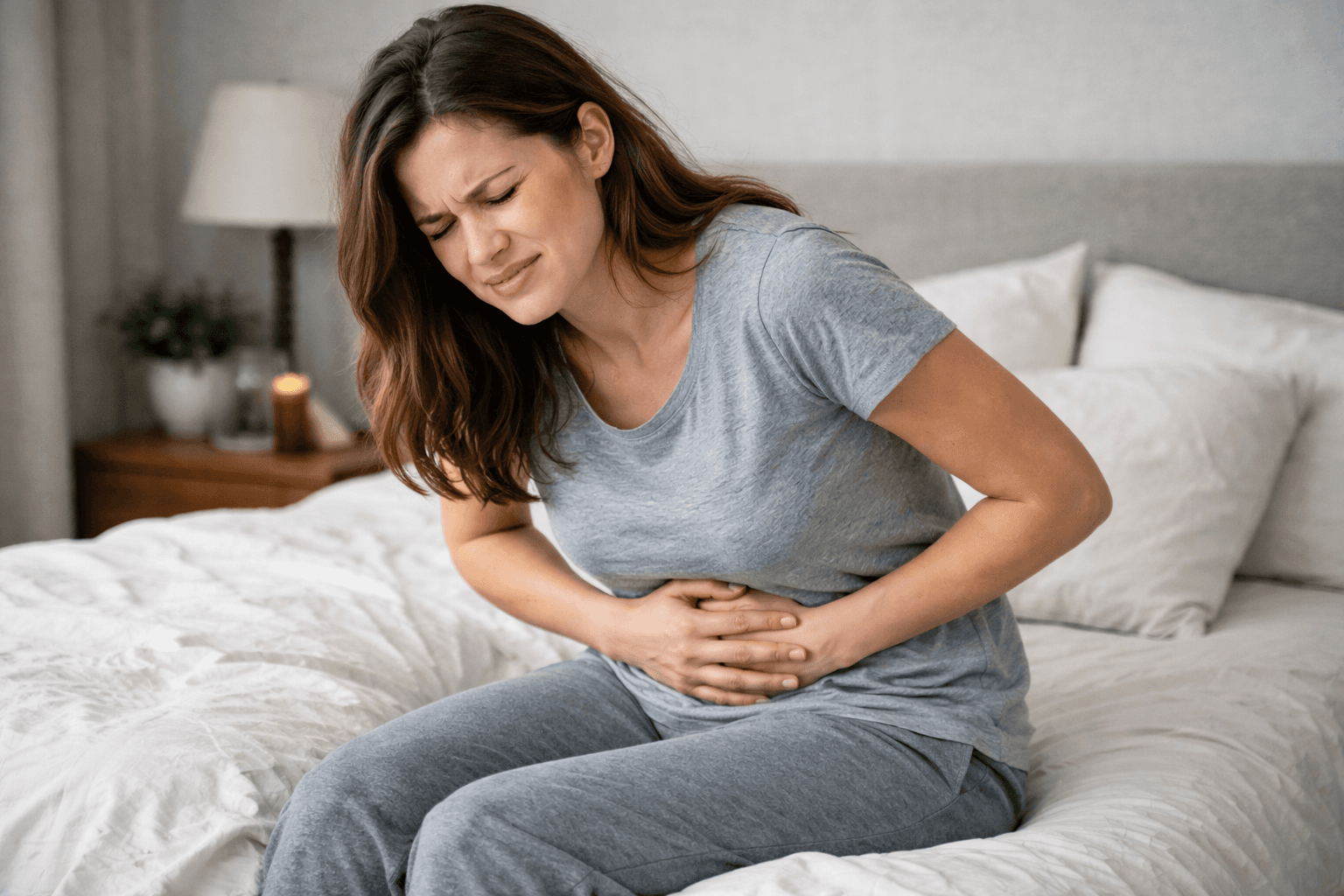
If you have ever curled up in a ball on your bed, hugged a heating pad like it was your best friend, and wondered what cruel joke nature was playing on you during your period, you are definitely not alone. Period pain is one of the most common health complaints in the world, affecting roughly nine out of ten young women between the ages of 13 and 25.
The good news? There are real, science-backed ways to fight back. The even better news? One of the most powerful weapons in your arsenal does not require a prescription, does not cost a dime, and you probably already know how to do it. It is called exercise, and by the end of this guide, you will understand exactly why moving your body might be the best thing you can do for that monthly monster.
But first, let us talk about what is actually happening down there.
What Is Period Pain, Anyway?
Period pain is known in the medical world as dysmenorrhea (say it with me: dis-men-oh-REE-ah). Fancy word, painful reality. There are two main types, and they are very different beasts.
Type 1: Primary Dysmenorrhea (The Common Culprit)
This is the most common kind of period pain. It usually shows up as cramps in the lower belly, but it can also bring along some truly annoying friends: back pain, leg pain, loose bowels (yes, the dreaded "period poops" are a real medical phenomenon), nausea, and just a general feeling that the universe is against you.
What causes it? The villain here is a group of hormone-like molecules called prostaglandins. When the lining of the uterus starts to break down during your period, your body releases these molecules. Think of prostaglandins as tiny alarm signals that make the uterus contract and squeeze out its lining. The more prostaglandins your body makes, the stronger and more painful those contractions tend to be.
Primary dysmenorrhea usually starts 6 to 12 months after your first period and tends to be most intense during the first 48 hours of your period.
Type 2: Secondary Dysmenorrhea (When Something Else Is Going On)
Secondary dysmenorrhea is period pain caused by an actual physical problem in the pelvis. The most common cause is a condition called endometriosis, where tissue that normally lines the inside of the uterus decides to grow in other places in the body, like the ovaries, fallopian tubes, or even the bowel. This causes serious pain and can lead to fertility problems.
Other causes of secondary dysmenorrhea include:
• Ovarian cysts (fluid-filled sacs on the ovaries)
• Uterine fibroids (non-cancerous growths in the uterus)
• Uterine polyps (small growths in the uterine lining)
• Adenomyosis (when uterine lining grows into the uterine wall itself)
• Pelvic inflammatory disease (an infection in the reproductive organs)
• Pelvic adhesions (scar tissue from past surgeries or infections)
Important note: This guide focuses mostly on treating primary dysmenorrhea. If your pain might be from a secondary cause, the treatment approach is different. Keep reading to find out when to see a doctor.
Your Pain Relief Toolkit: What Actually Works
There is no single perfect solution for period pain that works for everyone, which is honestly pretty annoying. But there are several approaches that science has shown to help, and they range from things you swallow to things you do with your body.
Option 1: Over-the-Counter Pain Medications (Anti-Inflammatory Drugs)
These are the medications you have probably already tried. They go by the medical name "non-steroidal anti-inflammatory drugs." You know them as ibuprofen (sold as Advil or Motrin) and naproxen (sold as Aleve).
Here is why they actually work: remember those prostaglandins we mentioned? These medications block the enzymes your body uses to make prostaglandins in the first place. Less prostaglandin production means less uterine cramping, which means less pain. Pretty logical, right?
How to Use Them Properly
This is where a lot of people go wrong: they wait until the pain is already screaming at them before taking anything. Research shows these medications work best when you take them 1 to 2 days before your period is expected to start, and continue taking them regularly for the first 2 to 3 days of bleeding.
Think of it like putting up a wall before the flood, not trying to mop up while the water is already pouring in.
Recommended amounts:
• Ibuprofen: Start with 800 mg, then take 400 to 800 mg every 8 hours
• Naproxen: Start with 500 mg, then take 250 to 500 mg every 12 hours
Always take these with food to protect your stomach. Always follow the directions on the package or from your doctor.
Who Should Use Anti-Inflammatory Medications
These medications are a good first choice for most otherwise healthy people with primary dysmenorrhea who are not pregnant and do not have medical conditions that prevent their use.
Who Should Be Careful or Avoid These Medications
STOP and talk to a doctor before using these medications if any of the following apply to you:
• You have a history of stomach ulcers or stomach bleeding
• You have kidney disease or reduced kidney function
• You have heart disease, heart failure, or have had a heart attack or stroke
• You have high blood pressure
• You take blood thinners (like warfarin), corticosteroids (like prednisone), or blood pressure medications
• You smoke or drink alcohol heavily
• You are pregnant or trying to become pregnant
• You are 20 weeks or more along in a pregnancy (these medications can harm the baby's kidneys)
• You are scheduled for heart bypass surgery
Side effects to know about: The most common side effects are stomach upset, indigestion, nausea, headache, and drowsiness. Serious but less common risks include stomach bleeding, kidney problems, and cardiovascular problems. These serious risks are much lower with short-term use for period pain than with long-term daily use.
Option 2: Hormonal Treatments
Hormonal treatments work by thinning the uterine lining and reducing prostaglandin production, which means less material for the uterus to cramp through, and less cramping overall. These are considered a first-line (meaning first choice) option alongside anti-inflammatory medications for people who want period pain relief and are also not planning to become pregnant soon.
Types of hormonal treatments include:
• Combined oral contraceptive pills (the pill)
• Contraceptive patch or ring
• Progestin implants (a small rod placed under the skin of the arm)
• Progestin injections
• Hormonal intrauterine device (a small device placed in the uterus by a doctor)
Who Should Consider Hormonal Treatments
Hormonal treatments are a good option for people who want reliable contraception alongside period pain relief, those who cannot take anti-inflammatory medications, those whose pain is not fully controlled with anti-inflammatory medications alone, and those with confirmed or suspected endometriosis.
Who Should Avoid or Discuss Hormonal Treatments with a Doctor
Hormonal treatments are not right for everyone. You should have a conversation with your doctor before starting them if you have a history of blood clots, certain types of migraines, certain liver conditions, certain cancers, or are over 35 and smoke. Your doctor will help determine which type, if any, is appropriate for you.
Exercise: The Surprisingly Powerful Painkiller You Can Do in Your Living Room
Okay, here is the part that might make you roll your eyes, and that is completely understandable. When you are lying in bed with cramps that feel like a tiny blacksmith is hammering away inside your abdomen, the last thing you want to hear is "have you tried exercising?"
But stay with us here, because the science is actually pretty impressive.
Research shows that regular exercise can reduce the severity of period pain by an average of 2.5 points on a scale of 0 to 10. To put that in perspective, that is more effective than using a heating pad, and comparable to taking medication. A 2025 study found that aerobic exercise can shorten how long period pain lasts by more than 12 hours, which is a reduction of more than 25 percent.
Let that sink in. Moving your body regularly can cut your cramp time by a quarter.
Why Does Exercise Help?
Scientists believe exercise helps reduce period pain through several pathways. First, it causes the body to release endorphins, which are natural pain-relieving chemicals that your brain produces during physical activity. Think of them as your body's own supply of feel-good medicine.
Second, exercise improves blood flow throughout the body, including to the uterus and pelvic region. Better circulation means less muscle tension and cramping. Third, regular exercise helps regulate hormones over time, which may reduce the excess prostaglandin production that drives cramps in the first place. A high-intensity exercise study found that regular spinning bike workouts actually reduced levels of prostaglandins in the body.
How Much Exercise Do You Need, and How Often?
Research suggests the sweet spot for reducing period pain through exercise is:
What | How Much |
How often | At least 3 times per week (ideally 3 to 5 sessions) |
How long per session | At least 30 minutes, with 45 to 60 minutes being ideal |
Total per week | At least 90 minutes total |
How long until results | Some improvement in as little as 4 weeks; best results after 8 weeks |
When during the month | Regularly throughout the month, not just during your period |
The most important thing to understand here is that this is a monthly commitment, not just a period-week activity. The benefits come from training your body consistently over time, not from forcing yourself to do jumping jacks while you are already in pain.
What Kind of Exercise Is Best?
Here is the genuinely good news: almost all types of exercise appear to help with period pain. You do not have to become a marathon runner. Let us break down the options.
Aerobic Exercise (Gets Your Heart Pumping)
This is the most studied category for period pain. Aerobic exercise includes activities like cycling, swimming, jogging, walking briskly, dancing, and aerobics classes.
Research suggests that for aerobic exercise, shorter and less intense sessions may actually be the sweet spot for managing period pain. You do not need to be exhausted after every workout for it to help.
One study specifically looked at high-intensity interval training on spinning bikes over 10 weeks and found it significantly improved period pain symptoms while also lowering prostaglandin levels in the body.
Strength Training (Building Muscle)
Here is something surprising: recent research suggests that strength training may actually be the most effective type of exercise for reducing period pain. This is a relatively new finding, and scientists are still figuring out exactly why it helps so much.
Strength training includes exercises that make your muscles work against resistance, such as squats, lunges, push-ups, rows, and core exercises like planks.
For the best results with strength training, research points to:
• At least 30 minutes per session
• More than 3 sessions per week
• Continuing for at least 8 weeks
A special type of strength exercise called isometric training, where you hold a position without moving (like a plank or a wall sit), has also been specifically studied and shown to help.
Yoga: Gentle But Genuinely Effective
Yoga has been studied more extensively than almost any other exercise type for period pain. Across studies looking at 39 different yoga poses, 5 breathing techniques, and guided relaxation sessions, the evidence consistently shows that yoga reduces pain intensity, pain duration, and overall menstrual distress.
One clinical trial tested just three yoga poses and found significant reductions in both pain severity and how long the pain lasted. Those three poses were:
• Cobra Pose (Bhujangasana): Lie face down, place your hands under your shoulders, and gently lift your chest while keeping your hips on the floor
• Cat Pose (Marjaryasana): Get on your hands and knees, then alternate between arching your back and looking up, and rounding your spine and tucking your chin toward your chest
• Fish Pose (Matsyasana): Lie on your back, arch your chest upward while supporting yourself with your elbows, letting your head tilt back gently
Good news for beginners: These three poses are gentle, require no equipment, take about 10 to 15 minutes, and have actual clinical evidence behind them. Not a bad starting point.
Longer yoga programs lasting 60 minutes once a week for 12 weeks have also shown excellent results, combining physical postures with relaxation and breathing exercises.
Research comparing yoga directly to aerobic exercise found that both reduce pain equally well. The advantage of yoga is that it also improves quality of life and reduces overall menstrual distress, including mood symptoms, in ways that vigorous aerobic exercise does not.
Progressive Muscle Relaxation and Self-Massage
This approach involves deliberately tensing and then relaxing specific muscle groups throughout the body, combined with self-massage of the abdomen and lower back. A 2024 study found that people who did relaxation-based exercises combined with self-massage experienced the greatest reduction in pain of any group studied. Another benefit: these exercises are so simple that participants were much more likely to actually stick with them compared to other types of exercise.
Getting Started: A Practical Plan
If you are new to exercise or have never tried it for period pain, here is a sensible way to begin:
Weeks 1 to 2: Just Getting Moving
• Start with 20 to 30 minutes per session
• Exercise 3 times per week
• Choose something easy and enjoyable: walking, gentle yoga, or basic stretching
• Focus on building the habit, not on intensity
• Exercise on the days between periods first if that feels more comfortable
Weeks 3 to 8: Building the Routine
• Gradually increase to 45 to 60 minutes per session
• Work up to 3 to 5 sessions per week
• Start adding more variety: try a yoga class, add some strength exercises
• Aim for at least 90 minutes of exercise total per week
• Continue exercising throughout the entire month
Week 8 and Beyond: Maintaining the Benefits
• Keep up 45 to 60 minutes per session, 3 to 5 times per week
• Consider adding strength training 2 to 3 times per week if you have not already
• Stick with it: exercise only keeps working as long as you keep doing it
Choose what you will actually do. No exercise type has been proven so dramatically superior that it is worth forcing yourself to do something you hate. If you love dancing, dance. If you love swimming, swim. If you find lifting weights satisfying, lift weights. Consistency matters far more than which specific activity you choose.
Can You Exercise During Your Period?
Yes, you can. While some studies asked participants to avoid exercise during menstruation itself, there is no evidence that exercising during your period is harmful. In fact, for many people, gentle movement during the first couple of days can actually help relieve cramps by boosting blood flow and releasing endorphins.
That said, listen to your body. If you feel awful during the first 48 hours, it is completely fine to take it easy and focus on gentler options like the three yoga poses mentioned above or a slow walk. The important thing is staying active throughout the rest of the month so the benefits are there when you need them.
Combining Exercise with Other Treatments
You do not have to choose between exercise and medication. They can work together. One study found that doing abdominal stretching in addition to taking mefenamic acid (a prescription anti-inflammatory medication) reduced pain more than taking the medication alone. This suggests exercise has additional benefits on top of what medications already provide.
Other Non-Medication Options Worth Knowing About
Beyond exercise, several other approaches have actual scientific support for reducing period pain.
Heat Therapy
A heating pad or warm water bottle placed on the lower abdomen is one of the oldest tricks in the book, and research confirms it actually works. Heat relaxes the muscles of the uterus and increases blood flow to the area, reducing cramping. It is particularly useful as a complement to exercise and medication, though exercise has been shown to be more effective overall.
Transcutaneous Electrical Nerve Stimulation
This involves placing small electrode pads on the skin near the area of pain and delivering gentle electrical impulses through the skin. The high-frequency version has been specifically studied for period pain and shown to reduce pain intensity, extend the time between needing pain relief, and decrease the amount of pain medication people need to take. Devices for this are available without a prescription at many pharmacies.
Self-Acupressure
Applying firm pressure to specific points on the body has been studied for period pain relief and found to significantly reduce both pain intensity and the need for pain medication over three months. It was not found to be better than anti-inflammatory medications, but it is a completely side-effect-free option that can be combined with other treatments.
Who Benefits Most from Exercise for Period Pain?
Based on current research, the following groups have the most evidence supporting exercise as a treatment:
• Young women under age 25 with primary dysmenorrhea
• Those with moderate to severe period pain
• Adolescents (the American College of Obstetricians and Gynecologists specifically recommends exercise for teenagers with period pain)
An important limitation: almost all research on exercise and period pain has been done in women under 25. Scientists do not yet know for certain whether the benefits are the same for women over 25, though there is no reason to think exercise would stop working. This is simply a gap in the research that has not been filled yet.
Another important limitation: all the research focuses on primary dysmenorrhea. There are no studies confirming that exercise works the same way for pain caused by endometriosis or other underlying conditions. This does not mean exercise is harmful for those conditions. In fact, some evidence suggests physical activity may improve quality of life, pain intensity, and mental health for people with endometriosis. But for secondary causes of period pain, it is best to talk with a healthcare provider before starting an exercise program.
Who Should Be Careful About Exercise for Period Pain, and Why
The overall safety record of exercise for period pain is excellent. Research confirms that exercise is safe when proper attention is paid to recovering well, eating enough, and watching for signs of injury. However, certain situations call for extra caution.
Get Checked First If You Have These Symptoms
Before starting an exercise program for period pain, see a doctor if any of the following describe your situation. These symptoms may suggest a secondary cause of period pain that needs its own treatment:
• Your pain has been getting progressively worse over months or years
• Standard anti-inflammatory medications do not help your pain at all
• You have pain outside of your period, or your cramps last longer than the usual 48 to 72 hours
• You experience pain during sex
• You have painful bowel movements or bladder symptoms that seem related to your cycle
• You have unusual vaginal discharge
• You have been trying to get pregnant without success
• You have very heavy periods or bleeding between periods
Yoga-Specific Cautions
Yoga is generally very safe, but a few situations call for modifications or avoidance of certain poses:
• If you have osteoporosis or fragile bones: Avoid poses that put extreme force on the spine, including very deep forward bends or backbends
• If you have glaucoma: Avoid inverted poses where your head goes below your heart, such as headstands and shoulder stands
• If you have heart or cardiovascular conditions: Check with your doctor before starting yoga, and avoid hot yoga environments
• If you are a beginner: Avoid headstands, lotus positions, and forceful breathing techniques until you have built up experience under guidance
Strength Training Cautions
Standard strength training cautions apply. Stop and see a doctor if any of these apply:
• You have an unstable heart condition
• You have an acute injury or illness
• You have severely uncontrolled high blood pressure
• You have pelvic floor dysfunction (in this case, a pelvic floor physical therapist can guide you on appropriate exercises)
Competitive athletes were excluded from period pain exercise studies, so the research technically applies to non-athletes. However, exercise is generally beneficial for everyone, and athletes with period pain should discuss options with a sports medicine provider or gynecologist.
Warning Signs: When to Stop Everything and See a Doctor
This is a really important section. Period pain can sometimes be a sign of something more serious. Here is what to watch for.
Go to the Emergency Room or Call 911 Immediately For:
Sudden, severe pelvic pain that is unlike your usual cramps (could mean ovarian torsion, ruptured cyst, or ectopic pregnancy)
Pelvic pain with fever (could mean a serious infection)
Heavy vaginal bleeding that is soaking through more than one pad or tampon per hour
Signs of pregnancy combined with pelvic pain (could mean ectopic pregnancy, which is a medical emergency)
Fainting or near-fainting
A very rigid or board-like abdomen, or extreme tenderness when you press and release on your belly
See Your Doctor Soon If:
These symptoms suggest secondary dysmenorrhea, meaning an underlying condition may be causing your pain:
• Your pain has been getting worse over time, not staying the same. Primary dysmenorrhea does not get progressively worse over the years.
• Anti-inflammatory medications like ibuprofen do not help your pain at all
• Your pain has not improved after trying both exercise and anti-inflammatory medications consistently for 3 to 6 months
• You experience pain during or after sex
• You have pain with bowel movements or a feeling of pressure in the rectum that worsens around your period
• You have bladder pain, urgency, or burning that seems to worsen with your cycle
• You notice unusual discharge from the vagina
• You have been trying to get pregnant for more than 12 months without success (or 6 months if you are over 35)
What Might These Symptoms Point To?
Possible Condition | Key Warning Signs |
Endometriosis | Pain that worsens over time, pain with sex, pain with bowel movements or urination around your period, difficulty getting pregnant |
Ovarian cysts | Sudden onset and resolution of sharp pain, possible nausea and vomiting with severe pain if the cyst twists |
Uterine fibroids | Very heavy or prolonged periods, constipation, difficulty emptying the bladder, more common in older women |
Adenomyosis | Heavy bleeding, blood clots, pain with sex, tenderness in the lower belly, more common after age 30 |
Pelvic inflammatory disease | Pelvic pain, fever, unusual discharge or odor, pain with sex, bleeding after sex |
Pelvic adhesions | History of prior surgery or infection, bowel obstruction symptoms, very painful bowel movements |
Heads up on diagnosis delays: Studies show that conditions like endometriosis are often not diagnosed for 5 to 11 years after symptoms begin. If you suspect something more than normal period pain, advocate for yourself and keep asking questions. Normal-looking tests do not always rule out endometriosis.
Putting It All Together: Your Personal Pain Plan
There is no one-size-fits-all answer to period pain. Different people respond differently to different approaches, and what works best for you may take some trial and error to figure out. Here is a general framework to help you think it through.
Your Situation | Suggested Starting Point |
New to managing period pain | Start with ibuprofen or naproxen taken before pain peaks, plus begin a regular exercise routine |
Medications are not enough on their own | Add regular exercise (aim for 90 minutes per week), try heat therapy, consider discussing hormonal options with your doctor |
Cannot or prefer not to take medications | Regular exercise is your most powerful tool; add heat therapy and self-acupressure |
Pain during sex, pain that gets worse each year, or abnormal bleeding | See your doctor before focusing on self-treatment; a secondary cause may need its own treatment |
New to exercise, not sure where to start | The three-pose yoga routine (Cobra, Cat, Fish) is evidence-based, takes 15 minutes, needs no equipment, and is gentle enough for beginners |
Have already tried everything above without success | Ask your doctor about further evaluation, imaging, or referral to a gynecologist or endometriosis specialist |
Quick Reference: Your Period Pain Options at a Glance
Treatment | How It Helps | Best For | Important Cautions |
Ibuprofen or naproxen | Blocks prostaglandin production | Most people with primary dysmenorrhea | Stomach problems, kidney or heart issues, pregnancy |
Hormonal contraceptives | Thins uterine lining, reduces prostaglandins | Those wanting contraception plus pain relief, endometriosis | Blood clots, certain migraines, some cancers, smokers over 35 |
Aerobic exercise | Releases endorphins, improves circulation | Anyone; especially good for overall fitness | Check for secondary causes if pain is severe or unusual |
Strength training | May be the most effective exercise type | Those who enjoy resistance-based workouts | Pelvic floor dysfunction may need specialist guidance |
Yoga (especially Cobra, Cat, Fish) | Relaxes muscles, reduces stress hormones, improves mood | Beginners, those with possible secondary causes, stress-related symptoms | Certain poses not safe with glaucoma or bone fragility |
Progressive muscle relaxation plus self-massage | Easiest to stick with; highly effective in studies | Anyone, especially those who struggle to maintain exercise habits | Not a replacement for medical evaluation if symptoms are unusual |
Heat therapy | Relaxes uterine muscles, increases blood flow | Mild to moderate pain as a complement to other treatments | Burns if left on skin too long; do not sleep with heat pad |
Electrical nerve stimulation | Interrupts pain signals to the brain | Those who cannot take medications | Discuss with doctor if you have a pacemaker or are pregnant |
Self-acupressure | May reduce pain and medication use over time | Those looking for medication-free add-on therapy | Not superior to medications; use as a complement |
The Bottom Line
Period pain is real, it is common, and it can be genuinely debilitating. But the good news is that you are not powerless against it.
Science has given us a clear roadmap: anti-inflammatory medications taken proactively (before the pain peaks) are highly effective for most people. Hormonal treatments offer another excellent option. And exercise, done consistently, can rival medication in its pain-relieving effects, with the added bonus of benefiting your entire body and your mood.
The most important takeaways:
• Exercise works, but it takes consistency. Aim for at least 90 minutes per week over at least 8 weeks.
• You do not have to pick one approach. Exercise plus medication often works better than either alone.
• Pain that gets progressively worse, does not respond to treatment, or comes with other unusual symptoms needs medical evaluation. Do not wait years to seek answers.
• Strength training and yoga both have strong evidence behind them. Pick the one you will actually stick with.
• Start simple: the three-pose yoga routine (Cobra, Cat, Fish), 15 minutes, no equipment, genuine evidence. That is a pretty reasonable starting point.
Your uterus may have a flair for the dramatic. But with the right tools, you can take back some control.
This article is for general educational purposes only. It is not a substitute for medical advice. Always talk to your doctor or healthcare provider before starting a new treatment, especially if your symptoms are severe, unusual, or changing over time.
HSA/FSA Eligible
Doctors Are Human.
That's Why There's Medome.
Start your free trial today. No credit card required.
Start Your Free Trial
Join thousands protecting their health with AI that never forgets
Critical details get missed when your health information is scattered. Medome connects the dots across your complete record.
Start Your Free Trial
Quick Links
Medome Men
Home
Pricing
About
Health News
HealthSigns
FAQ
Contact Us
Terms of Service
Privacy Policy
Get In Touch
Email: service@medome.ai
Phone: (617) 319-6434
This is Dr. Steven Charlap’s cell. Please text him first, explaining who you are and how he can help you. Use WhatsApp outside the US.
Hours: Mon-Fri 9:00AM - 9:00PM ET