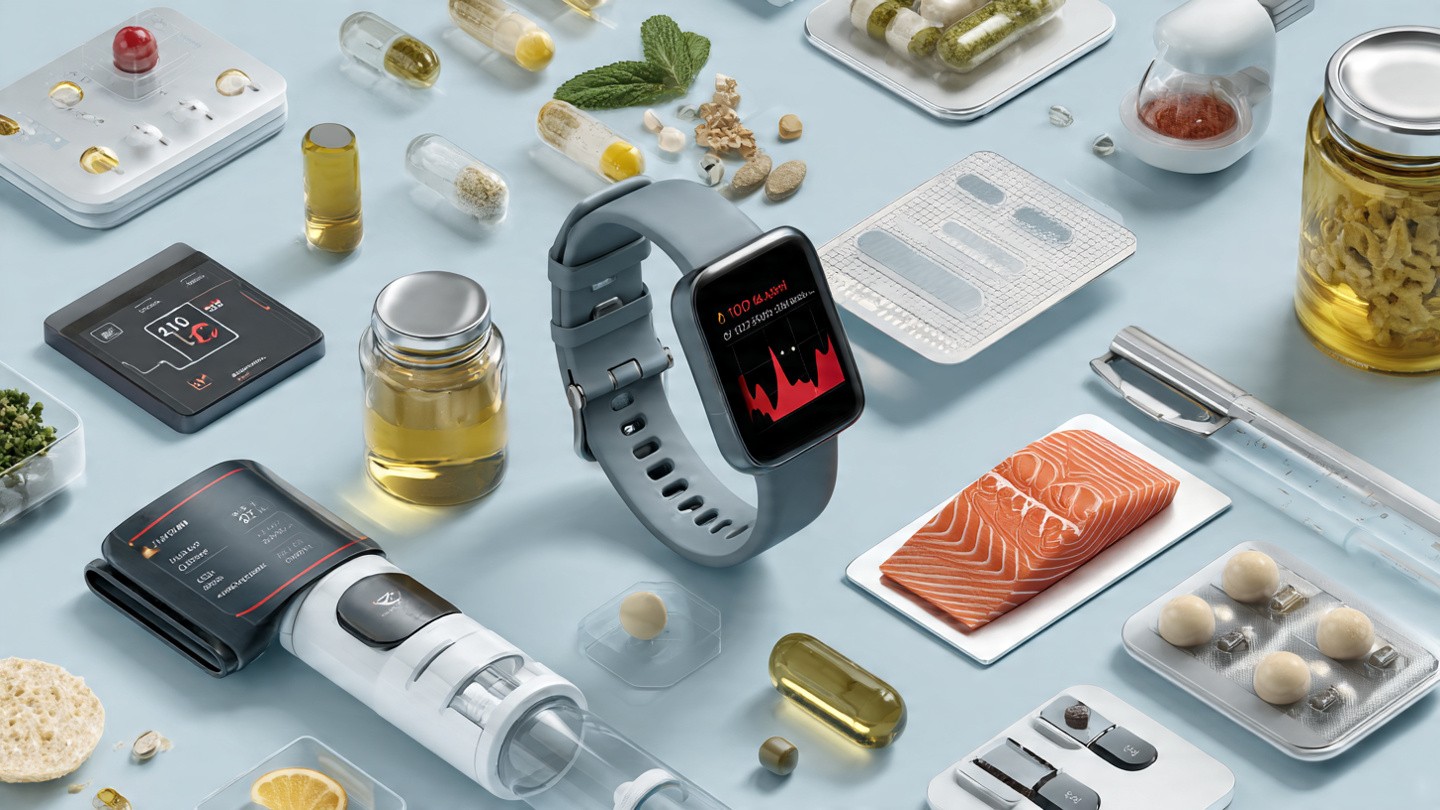
A Complete, Easy-to-Read Guide for Everyone
What Works, What Doesn't, Who Should Try It, and When to Call Your Doctor
Based on randomized controlled trials and peer-reviewed human research through 2026
Introduction: What Is Biohacking?
Imagine being your own science experiment. That is basically what biohacking is! Biohacking is a do-it-yourself approach to improving your health, energy, brain power, and how long you live. People who biohack use food, technology, exercise, light, breathing, and even small electrical pulses to try to make their bodies and brains work better.
The word "biohacking" might sound like something from a sci-fi movie, but most biohacking tools are surprisingly simple. Some of them, like eating healthy and exercising, you have probably heard about your whole life. Others, like using a tiny electric current to boost your mood or wearing a glucose monitor to watch your blood sugar in real time, are more high-tech.
This guide covers what the science actually says, based only on real studies done in human beings. We will explain who each approach is good for, who should skip it, how often to use it, when to see a doctor, and what to try instead if something is not right for you.
IMPORTANT: This guide is for education only. Before starting any new health program, talk to your doctor. This is especially true if you have a medical condition, take medication, are pregnant, or are under age 18.
Section 1: Food and Diet Hacks
Food is one of the oldest and most powerful tools for changing how your body works. Here are the most well-studied food-based biohacking strategies.
1.1 Time-Restricted Eating (Intermittent Fasting)
What Is It?
Time-restricted eating means you only eat during a certain window of time each day and fast the rest of the time. The most popular version is called 16:8, meaning you fast for 16 hours and eat during an 8-hour window. During fasting, you can drink water, plain black coffee, or plain tea.
What Does the Science Say?
Multiple large, high-quality randomized controlled trials in humans show benefits for weight loss (though modest), better blood sugar control, lower blood fat levels, less inflammation, and improved insulin sensitivity, particularly in overweight and middle-aged adults.
Who Should Try It?
Adults who are overweight or have obesity
Adults with high blood sugar or pre-diabetes
Middle-aged adults looking to improve overall health
Healthy adults wanting a simple eating structure
Who Should NOT Try It?
Skip time-restricted eating if you have or have had an eating disorder (like anorexia or bulimia), if you are pregnant or breastfeeding, if you have type 1 diabetes or poorly controlled type 2 diabetes without medical supervision, or if you are a child or teenager.
How Often and How to Start
Begin with a 12:12 fast (finish dinner at 7 PM, do not eat until 7 AM). Gradually extend to 16:8 over two to four weeks. Drink plenty of water. If you feel dizzy, shaky, or extremely hungry, eat something and call your doctor.
When to See a Doctor
If you feel shaky, confused, or sweaty during fasting (possible low blood sugar)
If you lose more than two pounds per week
If you take diabetes or blood pressure medications (doses may need adjusting)
If you feel worse after two to four weeks of trying
Fun Fact: Your body starts switching to fat-burning mode after about 12 to 14 hours of fasting. Think of it as your body's built-in cleanup crew finally getting a chance to do their jobs.
1.2 Ketogenic Diet
What Is It?
A ketogenic (keto) diet is a very low-carbohydrate, high-fat eating plan. You eat fewer than 50 grams of carbohydrates per day, roughly the amount in one medium baked potato. This forces your body to switch from burning sugar to burning fat, producing molecules called ketones.
What Does the Science Say?
Strong evidence from randomized controlled trials supports the ketogenic diet for weight loss, better blood sugar control in type 2 diabetes, and significantly reducing seizures in epilepsy. Benefits for blood fat levels and some inflammatory markers are also documented.
Who Should Try It?
Adults with type 2 diabetes who want to reduce blood sugar medications (with doctor supervision)
People with epilepsy not well controlled by medication (under neurologist guidance)
Adults wanting meaningful weight loss
Who Should NOT Try It?
The ketogenic diet is NOT safe for people with fatty acid oxidation disorders, pancreatic insufficiency, or eating disorders. It must be used very carefully (if at all) in people with kidney disease, liver disease, or a history of kidney stones. Children should only follow it under direct medical supervision.
How to Start
Reduce carbohydrates gradually over one to two weeks. Focus on healthy fats: olive oil, avocados, nuts, seeds, fatty fish, and eggs. Drink extra water and add a little extra salt in the first few weeks, as the diet causes you to lose more water and electrolytes initially.
When to See a Doctor
Before starting, especially if you take diabetes or blood pressure medications
If you experience persistent nausea, vomiting, or stomach pain
If you notice an unusual fruity smell on your breath (possible sign of dangerous ketoacidosis)
If you feel severely fatigued beyond the first three to four weeks
1.3 NAD+ Supplements (Nicotinamide Riboside and Nicotinamide Mononucleotide)
What Is It?
NAD+ is a molecule in every cell of your body that helps produce energy and repair DNA. As we age, NAD+ levels drop. Nicotinamide riboside (NR) and nicotinamide mononucleotide (NMN) are supplements that may raise NAD+ levels. They are taken as pills, usually 250 to 500 milligrams per day.
What Does the Science Say?
A systematic review of 33 human intervention studies found that NR and NMN consistently raise NAD+ levels in the blood and are generally well tolerated. However, the evidence that this translates into meaningful improvements in energy, aging, or other health outcomes is still mixed and often shows no significant effect. The science is promising but not yet proven for most practical uses.
Who Should Be Careful?
People with active cancer or a history of cancer should discuss NAD+ supplements with their oncologist before taking them, as the effects on cancer cell growth are not fully understood.
How Often?
250 to 500 milligrams taken by mouth once daily is the dose used in most human studies. Natural food sources containing smaller amounts include milk, yeast, and certain vegetables.
When to See a Doctor
Before starting if you have any history of cancer
If you develop persistent skin flushing, nausea, or diarrhea
1.4 Creatine
What Is It?
Creatine is one of the most researched supplements in sports science history. It is a natural compound your body makes and also gets from meat and fish. Creatine supplements help your muscles store more energy for short, powerful bursts of activity.
What Does the Science Say?
The evidence for creatine is exceptionally strong. It consistently improves high-intensity exercise performance and increases muscle size and strength when combined with resistance training. A large randomized controlled trial found a small but meaningful improvement in working memory with 5 grams per day for 6 weeks. Long-term use at even very high doses (up to 30 grams per day for 5 years) has been shown safe, with no kidney harm, no increased dehydration, and no increased muscle cramps.
Who Should Try It?
Athletes and anyone doing strength training
Older adults looking to preserve muscle mass and strength
People wanting a small cognitive boost
Vegetarians and vegans, who tend to have lower natural creatine stores
How to Use It
Option 1: Load with 0.3 grams per kilogram of body weight per day for 5 to 7 days, then maintain at 3 to 5 grams per day. Option 2: Simply start with 3 to 5 grams per day without loading. Both work equally well over time.
People with kidney disease should talk to their doctor before taking creatine. For everyone else, creatine is one of the safest and most well-researched supplements available.
When to See a Doctor
If you notice swelling, pain when urinating, or significant changes in urine output
1.5 Omega-3 Fatty Acids (Fish Oil)
What Is It?
Omega-3 fatty acids, specifically EPA and DHA, are healthy fats found in fatty fish like salmon, mackerel, and sardines. They are also available as fish oil, algae oil (for vegans), or krill oil supplements.
What Does the Science Say?
The large-scale VITAL and COSMOS randomized controlled trials studied omega-3s at 1 to 2 grams per day and found benefits for heart health, particularly in people who eat little fish. Evidence also supports modest benefits for mood, inflammation, brain health, and a study found benefits for slowing biological aging as measured by epigenetic clocks.
Who Should Consider It?
People who eat fewer than two servings of fish per week
People with high triglyceride levels (with doctor approval)
People with heart disease or risk factors for it
How to Use It
1 to 2 grams of combined EPA and DHA per day. Take with a meal to reduce fishy burps. Refrigerate fish oil capsules to maintain freshness.
High doses above 3 grams per day can affect blood clotting. Talk to your doctor if you take blood thinners like warfarin or aspirin.
1.6 Probiotics and Prebiotics
What Is It?
Probiotics are live beneficial bacteria found in yogurt, kefir, sauerkraut, and kimchi, or as supplements. Prebiotics are types of fiber that feed good bacteria, found in garlic, onions, bananas, oats, and asparagus.
What Does the Science Say?
The American College of Gastroenterology analyzed 21 randomized controlled trials and found that combination probiotics reduce symptoms of irritable bowel syndrome by about 21%. Certain strains reduce the risk of dangerous C. difficile gut infection in people taking antibiotics. One randomized controlled trial found that a high-prebiotic diet significantly improved mood, anxiety, stress, and sleep in adults with moderate psychological distress.
Who Should Try It?
Adults with irritable bowel syndrome or irregular digestion
Anyone taking antibiotics (to protect gut bacteria)
People with stress, anxiety, or low mood wanting a gut-focused approach
People with severely weakened immune systems, including those on chemotherapy, organ transplant recipients, or people with HIV/AIDS, should talk to their doctor before taking probiotic supplements. Rare but serious infections from probiotic bacteria have been reported in this group.
How to Use It
Look for probiotics with multiple strains and at least 10 billion colony-forming units per capsule. Take daily for at least 4 weeks to evaluate effects. Increase prebiotic fiber gradually to avoid gas and bloating.
Section 2: Exercise Hacks
Exercise is arguably the most powerful biohacking tool of all. Three specific types of exercise have especially strong scientific support.
2.1 High-Intensity Interval Training (HIIT)
What Is It?
High-intensity interval training alternates short bursts of very hard exercise with rest or easy movement. For example, sprint hard for 1 minute, walk for 2 minutes, and repeat 6 to 10 times. Sessions typically last 20 to 40 minutes total.
What Does the Science Say?
A Cochrane review of 58 randomized controlled trials found that HIIT significantly improves cardiovascular fitness, reduces waist circumference, lowers blood pressure, decreases body fat, and improves fasting insulin. A separate meta-analysis of 97 trials confirmed improvements in systolic blood pressure (down 3.2 points), resting heart rate (down 3.9 beats per minute), and body fat. In people with type 2 diabetes, a 12-week randomized trial found HIIT reduced fasting blood sugar by 29 milligrams per deciliter and significantly improved long-term blood sugar control.
Who Should Try It?
Healthy adults of all ages wanting to improve fitness quickly
People with pre-diabetes or type 2 diabetes (with doctor approval)
People with high blood pressure (with doctor approval)
Busy people who have limited time to exercise
Get medical clearance before starting HIIT if you have heart disease, have had a heart attack or stroke, have severe joint problems, have uncontrolled high blood pressure, or are completely sedentary and over age 45.
How Often?
2 to 5 sessions per week with at least one rest day between sessions. Beginners should start with 2 sessions per week. Each session: 4 to 10 intervals of 1 to 4 minutes at very high effort, separated by equal or longer rest periods.
When to See a Doctor
Chest pain, pressure, or tightness during or after exercise
Dizziness, fainting, or a racing or fluttering heartbeat
Unusual shortness of breath that does not improve with rest
Significant joint pain that gets worse over time
2.2 Resistance Training (Weightlifting and Strength Training)
What Is It?
Resistance training means exercising your muscles against resistance, whether dumbbells, barbells, resistance bands, machines, or body weight through push-ups, squats, and lunges.
What Does the Science Say?
An American College of Sports Medicine position statement covering 137 systematic reviews and more than 30,000 participants confirms that progressive resistance training significantly improves muscle strength, size, power, endurance, walking speed, and balance. It is also associated with lower risk of death from all causes and from heart disease. Few interventions in all of medicine have this level of evidence across this many outcomes.
Who Should Try It?
Everyone, regardless of age or current fitness level
Older adults especially, to prevent falls and maintain independence
People with type 2 diabetes
People recovering from injury (with physical therapist guidance)
Optimal Protocol
2 to 3 sessions per week. 2 to 3 sets of 8 to 12 repetitions per exercise at 60 to 80% of maximum effort. Rest 48 to 72 hours between sessions targeting the same muscle groups. Progress by adding weight or repetitions every one to two weeks.
People with osteoporosis, herniated discs, or recent surgery should work with a physical therapist or certified trainer before starting. Resistance training is usually still beneficial but technique and weight selection are critical.
When to See a Doctor
Sharp joint pain distinct from normal muscle burning
Significant swelling of any joint after training
Numbness or tingling in hands or feet
2.3 Zone 2 Cardio (Low and Slow Aerobic Training)
What Is It?
Zone 2 training means sustained, steady, moderate-intensity aerobic exercise at 60 to 70% of your maximum heart rate. You should be able to hold a conversation but still feel like you are working. Examples include brisk walking, easy jogging, cycling, or swimming.
What Does the Science Say?
Zone 2 training improves heart and lung fitness and helps prevent chronic diseases. A 2025 review found that current evidence does not support Zone 2 as superior to higher-intensity exercise for improving mitochondrial function in the general population. It is excellent as a fitness foundation, especially when combined with some higher-intensity work.
Who Should Try It?
Beginners or people returning to exercise after a break
People with conditions limiting high-intensity exercise
People who enjoy long outdoor activities like hiking or cycling
As a recovery complement to HIIT or resistance training on easy days
How Often?
30 to 90 minutes per session, 2 to 5 days per week. Wear a heart rate monitor to stay in the right zone. Simple test: if you can sing, go harder; if you cannot speak in full sentences, slow down.
Section 3: Sleep and Recovery Hacks
Sleep is when your brain cleans itself, your muscles repair, and your immune system recharges. These evidence-based approaches can transform your sleep quality.
3.1 Cognitive Behavioral Therapy for Insomnia (CBT-I)
What Is It?
Cognitive behavioral therapy for insomnia is a structured program that teaches you to change the thoughts and behaviors causing or worsening sleep problems. It is NOT sleeping pills. It is a set of proven techniques delivered over 4 to 8 sessions with a therapist or through validated online programs.
What Does the Science Say?
CBT-I is the official first-line treatment for chronic insomnia, recommended by the American Academy of Sleep Medicine, the American Academy of Family Physicians, and the Veterans Affairs and Department of Defense clinical guidelines. About 50% of people achieve remission of insomnia after 6 to 8 weeks. A network meta-analysis of 241 randomized controlled trials involving 31,452 participants found the most effective combination increased remission by 33 percentage points. This outperforms sleeping pills long-term with no side effects or dependence.
The Core Techniques
Sleep restriction: Temporarily limiting time in bed to match your actual sleep time, then gradually expanding it
Stimulus control: Using the bed only for sleep and sex; getting out of bed if awake more than 20 minutes
Cognitive restructuring: Changing unhelpful thoughts like "I will never sleep" into realistic ones
Relaxation training: Progressive muscle relaxation, deep breathing, or mental imagery
Sleep hygiene education: Consistent wake times, dark and cool rooms, no screens before bed
Who Should Use It?
Anyone with chronic insomnia (difficulty sleeping for more than 3 months)
People who want to safely get off sleeping pills
People whose insomnia is affecting work, mood, or relationships
The sleep restriction component of CBT-I is NOT appropriate for people with bipolar disorder (can trigger a manic episode), seizure disorders, severe untreated sleep apnea, or people who operate heavy machinery professionally.
Good sleep hygiene tips alone are NOT an effective treatment for clinical insomnia. They help everyone sleep slightly better, but they cannot fix chronic insomnia. Do not let generic sleep hygiene advice substitute for proper CBT-I treatment.
When to See a Doctor
If you snore loudly, wake up gasping, or stop breathing during sleep (possible sleep apnea)
If insomnia started suddenly without an obvious cause
If you feel exhausted regardless of how much you sleep
3.2 Breathwork
What Is It?
Breathwork refers to intentional controlled breathing practiced to affect the body and mind. The most studied types include slow breathing (about 6 breaths per minute), box breathing (inhale 4 seconds, hold 4, exhale 4, hold 4), and the Wim Hof Method (30 to 40 deep rapid breaths followed by breath holding, practiced daily over 29 days).
What Does the Science Say?
A meta-analysis of 12 randomized controlled trials found that daily breathwork for 10 to 20 minutes produces small to moderate reductions in stress, anxiety, and depressive symptoms. The Wim Hof Method over 29 days showed greater improvements in energy, mental clarity, and stress management compared to meditation, with benefits that accumulated with more practice.
Who Should Try It?
People with stress, anxiety, or mild depression
Anyone wanting a no-cost, no-equipment mental health tool
Athletes wanting better recovery
Rapid hyperventilation techniques should be done seated or lying down, NEVER in water or while driving. They can cause lightheadedness or brief loss of consciousness. People with cardiovascular disease, respiratory disease, epilepsy, or serious psychiatric conditions should consult a doctor before starting advanced breathwork.
How to Start
Begin with simple slow breathing: inhale for 4 to 5 seconds, exhale for 6 to 7 seconds. Practice 5 to 10 minutes once or twice daily. After two to four weeks of consistency, add box breathing or other techniques.
3.3 Cold Water Immersion and Cold Showers
What Is It?
Cold water immersion means submerging your body in cold water, typically 45 to 59 degrees Fahrenheit (7 to 15 degrees Celsius), for 1 to 10 minutes at a time. Cold showers are a milder, more accessible starting point.
What Does the Science Say?
A systematic meta-analysis found that cold water immersion three times per week significantly reduces perceived stress 12 hours after exposure, improves sleep quality, and increases parasympathetic nervous system activity. A large randomized controlled trial found that people taking cold showers had 29% fewer sick days. Important caveat: cold water immersion done immediately after strength training can reduce muscle growth by roughly 20% by blunting the inflammatory signals needed for muscle adaptation. Save cold exposure for after cardio, not after lifting.
Who Should Try It?
Healthy adults wanting stress reduction and mood improvement
People looking to improve sleep quality
Athletes recovering from endurance events (but NOT immediately after strength training)
Do NOT use cold water immersion if you have heart disease, uncontrolled high blood pressure, Raynaud's disease, or peripheral artery disease, or if you are elderly without medical clearance. Never combine Wim Hof breathing exercises with water immersion. Never do cold immersion alone.
When to Seek Emergency Care
Chest pain or irregular heartbeat during or after cold exposure
Confusion or difficulty speaking after immersion
Inability to stop shivering after getting fully warm
3.4 Sauna Bathing
What Is It?
Sauna bathing means sitting in a room heated to 158 to 212 degrees Fahrenheit (70 to 100 degrees Celsius) for 5 to 20 minutes per session.
What Does the Science Say?
Large cohort studies and randomized controlled trials consistently show dose-dependent reductions in heart disease, dementia, and death from all causes with regular sauna use. Randomized trials show improvements in blood vessel function, blood pressure, and arterial stiffness. People who use a sauna 4 to 7 times per week have dramatically lower rates of heart disease compared to once-a-week users.
Who Should Try It?
Healthy adults looking to improve heart health and longevity
People with high blood pressure (with doctor approval)
People with chronic muscle soreness or stiffness
Do not use a sauna if you have had a recent heart attack, have unstable heart disease, severe aortic stenosis, or uncontrolled high blood pressure, or if you are pregnant. Always avoid alcohol before sauna use. Never use a sauna alone if you are elderly or have significant medical conditions.
How Often?
2 to 7 sessions per week, 5 to 20 minutes each. Drink water before and after. Allow your heart rate to recover after exercise before entering the sauna.
Section 4: Technology Hacks
Technology has opened new ways to monitor and improve health. Here are the most evidence-based options.
4.1 Continuous Glucose Monitors (CGM)
What Is It?
A continuous glucose monitor is a small sensor worn on the skin (usually the arm or abdomen) that measures blood sugar levels every few minutes throughout the day and night. Diabetics have used them for years, but non-diabetics are now using them to understand how food, exercise, stress, and sleep affect their blood sugar in real time.
What Does the Science Say?
In non-diabetic populations, a systematic meta-analysis found CGM is associated with modest but significant improvements in average blood sugar levels, with the most pronounced benefits in people with pre-diabetes. In metabolically healthy adults, average readings are around 98 to 99 milligrams per deciliter, spending about 96% of the day in the healthy range of 70 to 140 milligrams per deciliter.
Who Should Consider It?
Adults with pre-diabetes (fasting blood sugar 100 to 125, or hemoglobin A1c 5.7 to 6.4%)
Adults with overweight, family history of diabetes, or metabolic syndrome
Athletes wanting to optimize nutrition timing around exercise
Metabolically healthy adults with normal weight and blood sugar see the least benefit from continuous CGM use. A short two to four week trial can be educational, but ongoing use adds little value if everything is normal.
Important: Medications That Confuse Your CGM
These substances can cause INACCURATE readings. Always confirm unusual readings with a fingerstick blood glucose test when taking any of the following:
Substance | Effect on Reading |
|---|---|
Acetaminophen (Tylenol) | Falsely HIGH on some older sensors. Newer models less affected |
Vitamin C over 500 mg per day | Falsely HIGH on FreeStyle Libre and some others |
Hydroxyurea (cancer medication) | Falsely HIGH on Dexcom G6 and similar sensors |
L-cysteine (supplement) | Falsely LOW on Dexcom G6 |
Intravenous mannitol or sorbitol | Falsely HIGH on multiple sensors |
Tetracycline antibiotics | Falsely HIGH on the implanted Eversense sensor |
Skin Reactions
About 28 to 34% of CGM users develop skin reactions from the adhesive patch. The most common allergen is a chemical called IBOA (isobornyl acrylate). Reactions can develop after many months of use. People with a personal history of allergies have 2.5 times higher risk. Manage reactions by rotating sensor sites, using barrier films, and consulting a dermatologist if severe.
When to See a Doctor
Blood sugar readings consistently above 140 milligrams per deciliter after meals
Any reading above 200 milligrams per deciliter
Significant skin reaction at the sensor site
Symptoms of low blood sugar: shakiness, sweating, confusion, rapid heartbeat
4.2 Heart Rate Variability (HRV) Monitors
What Is It?
Heart rate variability measures tiny differences in the time between your heartbeats. A healthy nervous system produces natural variation in these intervals. Low HRV is associated with stress, illness, overtraining, and poor cardiovascular health. High HRV generally indicates good recovery and resilience.
What Does the Science Say?
A large study of 181,574 people tracked over more than 7.9 million days found that people with better wearable-measured HRV, lower resting heart rate, better sleep, and more activity reported significantly lower depression, anxiety, and stress. Cross-lagged analysis confirmed that higher stress came first and was followed by changes in HRV.
HRV Biofeedback: No Contraindications
HRV biofeedback is a technique where you watch your HRV in real time while practicing slow breathing (about 6 breaths per minute) to learn to consciously raise it. A published randomized controlled trial explicitly stated that HRV biofeedback has no adverse effects and no contraindications. Studies show it reduces anxiety, depression, and stress with medium effect sizes.
Optimal Protocol
6 to 20 minutes of slow-paced breathing at about 6 breaths per minute
Daily practice for at least 4 weeks (minimum 4 sessions to see HRV improvements)
Use a chest strap or compatible wristband with an app showing real-time HRV feedback
Measure morning resting HRV at the same time each day for consistent tracking
HRV is affected by many things unrelated to health: beta-blockers and tricyclic antidepressants significantly lower readings; caffeine, alcohol, poor sleep, age, and time of day all affect results. Always measure under the same conditions each morning for meaningful comparisons.
4.3 Transcranial Direct Current Stimulation (tDCS)
What Is It?
Transcranial direct current stimulation uses a very small electrical current (1 to 2 milliamps, far weaker than a standard battery) delivered through sponge pads placed on the scalp to gently nudge brain activity. It does not cause seizures. Most sessions last 20 to 30 minutes.
What Does the Science Say?
The evidence is strongest for: treatment-resistant depression (classified as definitely effective in guidelines, with response rates of 31% versus 19% with sham); adult ADHD (the TUNED randomized controlled trial showed significant reduction in inattention symptoms); schizophrenia cognitive deficits (improves attention and working memory); and cognitive enhancement in healthy adults when multiple sessions are used.
Who Should Consider It?
Adults with depression who have not responded to at least one antidepressant medication
Adults with ADHD wanting a non-medication complementary option
People with cognitive challenges working with a neurologist
DO NOT use tDCS if you have: a history of epilepsy or uncontrolled seizures, metallic implants in your head (including cochlear implants), a deep brain stimulator, a history of brain surgery, or bipolar disorder without psychiatric supervision. Do not use during pregnancy.
Safety Record
More than 300,000 sessions have been conducted without a single serious adverse event when standard protocols are used. The most common side effects are mild tingling or redness at the electrode sites during the session.
When to Seek Medical Attention
Any sign of manic symptoms: elevated mood, decreased need for sleep, rapid speech
New or worsening seizure activity
Skin burns or blisters at the electrode sites
Worsening depression or new thoughts of self-harm
4.4 Photobiomodulation (Red Light Therapy)
What Is It?
Photobiomodulation uses red light (630 to 700 nanometers) or near-infrared light (700 to 980 nanometers) applied to the body for 5 to 20 minutes per session. This is not UV light and does not cause sunburn or skin cancer. The light stimulates mitochondria, the energy generators of your cells.
What Does the Science Say?
An umbrella review of 204 randomized controlled trials found moderate-certainty evidence that photobiomodulation improves pain and disability in knee osteoarthritis, reduces fatigue in fibromyalgia, increases hair density in common pattern hair loss, and improves cognitive function in mild cognitive impairment.
Are You a Responder?
Research shows that people with a baseline skin temperature of 33 to 37.5 degrees Celsius at the treatment site tend to respond well. People with unusually cold or unusually hot baseline skin temperature may not respond, likely due to differences in local blood flow.
Who Should Try It?
People with knee osteoarthritis pain
People with pattern hair loss
People with fibromyalgia-related fatigue
People with mild cognitive impairment (in consultation with a neurologist)
Red light therapy does not cause cancer and current evidence supports its use even in people who have previously undergone cancer treatment. Always protect your eyes with appropriate goggles during treatment.
How to Use It
Red light at 660 nanometers works best for skin-level targets. Near-infrared light at 800 to 850 nanometers penetrates deeper for joints, muscles, and brain applications. Aim for 4 to 10 joules per square centimeter at the target tissue. 2 to 5 sessions per week. Consistency over weeks to months produces the most reliable benefits.
Section 5: Medications Sometimes Used for Biohacking
CRITICAL: Never take prescription medications without a valid prescription and medical supervision. The drugs discussed in this section require prescriptions in the United States. Using them without a doctor is both illegal and potentially dangerous.
5.1 Metformin
What Is It?
Metformin is the most widely prescribed type 2 diabetes medication in the world. It lowers blood sugar by reducing the liver's production of glucose and improving how cells respond to insulin. Biohackers are interested in it because large observational studies in diabetic patients show associations with lower rates of cancer, heart disease, and possibly dementia.
What Does the Science Actually Say for Non-Diabetics?
There is NO completed randomized controlled trial proving that metformin extends lifespan or improves health in people who do NOT have diabetes. A large trial called TAME (Targeting Aging with Metformin) is currently ongoing. Until those results are published, claims that metformin is an anti-aging drug for healthy people are based on hope, not proven science.
Proven Uses (With Strong Evidence)
First-line treatment for type 2 diabetes
Prevention of type 2 diabetes in high-risk people with pre-diabetes
Side Effects to Know
Nausea, diarrhea, and stomach upset are common when starting
Long-term use reduces absorption of vitamin B12, which can cause deficiency over years
Rare but serious: a condition called lactic acidosis, particularly dangerous in kidney disease
Bottom Line
If you have diabetes or pre-diabetes, metformin is an excellent, well-proven medication. For healthy people hoping it is a magic anti-aging pill: the evidence does not yet support that. Do not self-prescribe.
5.2 Rapamycin
What Is It?
Rapamycin (also called sirolimus) is an immunosuppressant drug used to prevent organ rejection after transplants. It blocks a cellular pathway called mTOR that is involved in aging and cell growth.
What Does the Science Say?
In mice, rapamycin extended lifespan by 23 to 26%, even when started late in life. This is one of the most impressive results in aging biology research. However, human clinical trials are extremely limited and early-phase, primarily in elderly and transplant populations. There is no completed randomized controlled trial in healthy humans showing lifespan or healthspan benefits at any dose.
Rapamycin suppresses the immune system. Risks include significantly increased susceptibility to infections, elevated blood lipids, impaired wound healing, and potential increased cancer risk with long-term use. Using rapamycin for longevity outside of a clinical trial is an experiment with genuinely unknown risks. This is not recommended.
Section 6: Emerging and Cutting-Edge Biohacks
These approaches represent the newest frontier of biohacking science. The evidence is early and genuinely exciting, but mostly preliminary in humans.
6.1 Senolytic Therapy
What Is It?
As we age, some cells become "senescent," meaning they stop dividing but refuse to die. They release toxic chemicals that damage nearby healthy cells. Senolytics are drugs that selectively eliminate these so-called zombie cells. The most studied combination is dasatinib (a leukemia drug) plus quercetin (a plant compound in onions and apples) taken for just two consecutive days per month.
What Does the Science Say?
Phase 1 and 2 human trials show the combination can penetrate the brain and appears safe with no serious adverse events in small trials. A phase 2 randomized controlled trial in 60 postmenopausal women showed increases in a bone formation marker and increased bone mineral density in women who started with the highest burden of senescent cells. However, the primary endpoint of the trial was not met, and all trials so far involve small numbers of people.
Senolytic therapy is genuinely exciting science and may be transformative for aging. However, it remains investigational and should only be used within properly conducted clinical trials. Do not self-administer a leukemia drug for anti-aging purposes.
6.2 Epigenetic Age Testing
What Is It?
Your "epigenetic age" is estimated from chemical patterns on your DNA. Tests using clocks called PhenoAge and GrimAge estimate your biological age, which may differ from your calendar age. Younger biological age is associated with better health outcomes.
What Does the Science Say?
A longitudinal study found that vitamin D and omega-3 supplements taken for two years slowed biological aging as measured by epigenetic clocks in people with mild cognitive impairment. Next-generation clocks like PhenoAge and GrimAge are more responsive to lifestyle changes than older testing models.
Bottom Line
Epigenetic age testing is a fascinating tool for measuring the impact of lifestyle changes over time. The best-proven interventions to improve it remain the oldest and simplest biohacks: exercise, healthy diet, quality sleep, stress management, and not smoking.
Section 7: Wearable Technology Risks and Pitfalls
Wearable devices are powerful tools, but they come with real risks that deserve honest discussion.
7.1 Skin Reactions From Adhesives
About 28 to 34% of CGM and insulin pump users experience skin reactions from the adhesive patch. Key facts:
Reactions can develop after months of use, not just immediately when you start
The chemical IBOA (isobornyl acrylate) is the most common identified allergen
People with a history of allergies are at 2.5 times higher risk
Management includes rotating sensor sites, using barrier films, and switching devices if needed
7.2 Psychological Risks of Wearables
Potential Harms
"Worried well" syndrome: obsessing over normal fluctuations and developing health anxiety about ordinary body variations
A randomized controlled trial of 162 adults found that deflated step count feedback (being told you did 40% less than you actually did) caused worse eating, lower self-esteem, more negative mood, and measurably higher blood pressure. The DEVICE FEEDBACK changed their actual physiology.
Alert fatigue: too many notifications leading to ignoring all of them
Diet and fitness tracking apps are associated with disordered eating behaviors in cross-sectional research
Potential Benefits
Improved motivation and self-awareness
Better engagement with healthy behaviors
A longitudinal analysis found wearable use was associated with improved health perception and reduced psychological distress
If you are prone to health anxiety, obsessive behaviors, or have a history of eating disorders, talk to a mental health professional BEFORE using fitness trackers, calorie counters, or continuous glucose monitors. These tools can genuinely worsen these conditions.
7.3 When Wearable Data Is Wrong
Wearable devices are not medical-grade equipment. Know when NOT to trust them:
Situation | Problem With Readings |
|---|---|
Dark skin tone | Optical heart rate and blood oxygen sensors are less accurate |
Cold hands or poor circulation | Reduces light-based signal quality significantly |
During vigorous movement | Motion artifact creates false heart rate readings |
Loose fit on the wrist | Dramatically reduces all measurement accuracy |
Known atrial fibrillation | Heart rate may be underestimated due to pulse irregularity |
Taking beta-blockers | Expected lower heart rate and different HRV patterns |
Always confirm concerning device readings with a proper medical test before taking any action based on wearable data alone.
Section 8: Drug Interactions With Biohacking Technologies
This section is critically important. Your medications can interfere with biohacking devices and techniques in ways that affect both safety and effectiveness.
8.1 Medications That Confuse Your Continuous Glucose Monitor
Substance | Effect and Notes |
|---|---|
Acetaminophen (Tylenol) | Falsely HIGH on older sensors; newer models (Dexcom G7, Libre 3) much less affected |
Vitamin C over 500 mg per day | Falsely HIGH on FreeStyle Libre and some others |
Hydroxyurea (blood or cancer drug) | Falsely HIGH on Dexcom G6 |
L-cysteine (some amino acid supplements) | Falsely LOW on Dexcom G6 |
Intravenous mannitol or sorbitol | Falsely HIGH on multiple sensor types |
Tetracycline antibiotics | Falsely HIGH on the implanted Eversense sensor specifically |
Red wine | Modest falsely HIGH readings on some sensors |
8.2 Medications That Change How tDCS Affects Your Brain
Medication | Interaction With tDCS |
|---|---|
Carbamazepine (Tegretol) anti-seizure medication | Blocks brain-stimulating effects of tDCS; may reduce therapeutic benefit |
Dextromethorphan (ingredient in some cough medicines) | Blocks both the activating AND calming effects of tDCS |
SSRIs (Prozac, Zoloft, Lexapro) | May enhance tDCS effects; potentially beneficial for depression treatment |
Benzodiazepines (Valium, Xanax) at high doses | May reduce tDCS effectiveness |
Calcium channel blockers (blood pressure drugs) | Can alter the calming effects of tDCS |
8.3 Medications That Change Your Heart Rate Variability Readings
Medication or Substance | Effect on HRV Readings |
|---|---|
Beta-blockers (metoprolol, atenolol) | Slow heart rate and change HRV patterns; lower readings are expected, not a crisis |
Tricyclic antidepressants (amitriptyline) | Significantly lower HRV independent of actual stress or fitness level |
Anti-arrhythmic drugs (amiodarone, flecainide) | Decrease HRV as an expected drug effect |
Diuretics (furosemide, hydrochlorothiazide) | Associated with lower HRV measures |
Caffeine | Temporarily increases heart rate and alters some HRV measures for hours |
Alcohol | Significantly disrupts HRV, especially during sleep after drinking |
Section 9: Who Should Avoid What, and What to Try Instead
9.1 Alternatives Quick Reference Guide
If You Cannot Do This... | Consider This Instead |
|---|---|
Cannot do time-restricted eating (eating disorder history) | Mediterranean diet: strong randomized trial evidence for heart health and metabolic benefits |
Cannot do ketogenic diet (kidney disease) | Low-glycemic index diet: strong evidence for blood sugar control with fewer risks |
Cannot do HIIT (heart disease or severe joints) | Zone 2 walking or water aerobics: still improves cardiovascular fitness with lower risk |
Cannot do resistance training (recent surgery) | Physical therapy supervised exercise, then progress to standard resistance training when cleared |
Cannot do cold immersion (heart disease) | End-of-shower cool water only: more gradual and less cardiovascular stress |
Cannot do tDCS (epilepsy or metallic implants) | HRV biofeedback: genuinely has no contraindications and no side effects |
Cannot do sauna (unstable heart disease) | Warm baths at 40 degrees Celsius have modest cardiovascular benefits with lower risk |
Wearables worsen anxiety | Regular lab tests every 6 to 12 months: objective without constant monitoring pressure |
CGM causing skin reactions | Rotate sensor sites, use barrier films, switch sensor brands |
Section 10: When to Seek Medical Attention
Knowing when to call your doctor versus when to go to the emergency room could save your life.
10.1 Call 911 or Go to the Emergency Room Immediately
Go to the emergency room or call 911 for ANY of the following while biohacking:
Chest pain, pressure, tightness, or squeezing feeling
Irregular, racing, or pounding heartbeat lasting more than a few minutes
Fainting or loss of consciousness
Seizure or uncontrolled shaking
Sudden confusion, slurred speech, or inability to speak
Face drooping or sudden arm weakness (stroke warning signs)
Severe difficulty breathing that does not improve
Blood sugar below 54 milligrams per deciliter with symptoms such as sweating or confusion
Sudden, severe headache that is the worst of your life
10.2 Call Your Doctor Within 1 to 2 Days
Persistent dizziness or lightheadedness with a new diet or exercise program
CGM readings consistently above 200 milligrams per deciliter
Significant unintended weight loss of more than 10 pounds
Muscle cramps, weakness, or irregular heartbeat (possible electrolyte problems)
Manic or hypomanic symptoms after starting tDCS: elevated mood, decreased sleep need, racing thoughts
Persistent headaches after neurostimulation sessions
Yellowing of eyes or skin, extreme fatigue (possible liver problems)
Worsening insomnia despite correctly following CBT-I protocols
Significant skin burns or blistering from photobiomodulation or tDCS electrodes
10.3 Bring Up at Your Next Regular Appointment
Any new supplement you are taking, including creatine, NAD+ precursors, or omega-3s
Skin irritation from CGM or wearable adhesives
Changes in bowel habits after starting probiotics or prebiotics
Fatigue lasting more than four weeks into a new exercise program
Mood changes, positive or negative, from any biohacking protocol
Interest in trying metformin or rapamycin for anti-aging purposes
Section 11: Tracking Your Progress
If you are going to biohack, measure the results. Here are the most meaningful things to track.
11.1 Objective Lab Tests (Get From Your Doctor)
Test | When to Check |
|---|---|
Fasting blood glucose | Every 6 to 12 months if changing diet or exercise habits |
Hemoglobin A1c (long-term average blood sugar) | Every 6 to 12 months |
Lipid panel (cholesterol and triglycerides) | Every 6 to 12 months |
Vitamin B12 | Annually if on metformin or following a plant-based diet |
Vitamin D | Annually, especially in northern climates |
Complete blood count | Annually as part of a general health screen |
Basic metabolic panel (kidney and electrolyte function) | Annually |
11.2 At-Home Measurements
Measurement | Recommended Frequency |
|---|---|
Body weight | Once or twice per week, same time of day (morning, after using bathroom) |
Waist circumference | Monthly, measured at the belly button level |
Resting heart rate | Daily with a wearable, or manual 60-second count at waking |
Heart rate variability | Daily, same time and conditions each morning before getting up |
Blood pressure | Weekly if managing hypertension or cardiovascular risk |
Subjective energy level (1 to 10 scale) | Daily in a journal or simple app |
Sleep quality (Pittsburgh Sleep Quality Index questionnaire) | Monthly |
Mood (Patient Health Questionnaire-9) | Monthly to track depression symptoms objectively |
11.3 Fitness Benchmarks
Estimated VO2 max (cardiovascular fitness): available on most modern smartwatches; track monthly
1-mile walk or run time: measure monthly to track aerobic improvement
Number of push-ups in 1 minute: monthly upper body strength benchmark
Maximum weight on key resistance exercises: measure monthly
Balance test: stand on one foot with eyes closed and time how long you can hold it; a valuable predictor of long-term health outcomes
Section 12: Quick-Start Guides by Goal
Not sure where to begin? Here are evidence-based starter protocols for the most common biohacking goals.
Goal: Lose Weight and Improve Metabolism
Start with time-restricted eating (12:12, working toward 16:8 over 4 weeks)
Add 2 HIIT sessions per week (20 to 30 minutes each)
Add 2 resistance training sessions per week
Track weekly weight and monthly waist circumference
Consider a 2-week CGM trial if you suspect blood sugar irregularity
Goal: Sleep Better
Get a formal CBT-I assessment (ask your doctor or find a validated online CBT-I program)
Set one consistent wake time every day, including weekends
Practice 10 minutes of slow breathing (6 breaths per minute) before bed
Cold shower in the morning to improve sleep at night
Track sleep monthly with the Pittsburgh Sleep Quality Index questionnaire
Goal: Reduce Stress and Improve Mood
Start daily HRV biofeedback: 10 minutes per day at 6 breaths per minute (no contraindications)
Add Zone 2 cardio 3 to 4 days per week, 30 to 45 minutes each session
Eat more prebiotic fiber: garlic, onions, bananas, oats, and asparagus daily
Consider omega-3 supplementation if you eat fewer than 2 servings of fish weekly
If depression is significant, ask your doctor about CBT or a tDCS referral
Goal: Sharper Brain and Better Focus
Resistance training 3 days per week (strongest brain health evidence of any single intervention)
Creatine 5 grams per day (evidence for working memory improvement)
Omega-3s 1 to 2 grams EPA plus DHA per day
Prioritize 7 to 9 hours of quality sleep every night (non-negotiable for cognitive performance)
Sauna bathing 4 to 7 times per week if available
Goal: Healthy Aging and Longevity
Resistance training plus Zone 2 cardio: these two alone have more evidence than everything else combined
Mediterranean or high-vegetable diet with omega-3s
Regular sauna bathing (4 or more sessions per week if possible)
Quality sleep of 7 to 9 hours (the single strongest predictor of long-term health)
Track epigenetic age periodically for objective biological aging data
Watch for results from the TAME trial (metformin for aging) and ongoing senolytic trials
A Final Word
The most effective biohacking stack in human history requires no gadgets, no pills, and no electrical devices. It looks like this: sleep 7 to 9 hours per night, do resistance training two to three times per week, add some cardiovascular exercise you actually enjoy, eat mostly vegetables and whole foods, manage your stress, do not smoke, and drink alcohol only in moderation.
Everything else in this guide sits on top of that foundation. The fanciest continuous glucose monitor in the world will not overcome the damage of chronic poor sleep and a diet of processed food. The science on this is unanimous.
That said, once your foundation is solid, many of the tools in this guide have genuine, reproducible evidence behind them. Start simple. Track your results. Listen to your body. Work with your doctor. And remember: the best biohack is the one you will actually stick with.
The greatest longevity intervention ever studied? Regular exercise. It costs nothing, has no serious side effects when done appropriately, and has more high-quality evidence supporting its benefits than any drug ever developed. If you do nothing else from this guide, move your body every day.
HSA/FSA Eligible
Doctors Are Human.
That's Why There's Medome.
Start your free trial today. No credit card required.
Start Your Free Trial
Join thousands protecting their health with AI that never forgets
Critical details get missed when your health information is scattered. Medome connects the dots across your complete record.
Start Your Free Trial
Quick Links
Medome Men
Home
Pricing
About
Health News
HealthSigns
FAQ
Contact Us
Terms of Service
Privacy Policy
Get In Touch
Email: service@medome.ai
Phone: (617) 319-6434
This is Dr. Steven Charlap’s cell. Please text him first, explaining who you are and how he can help you. Use WhatsApp outside the US.
Hours: Mon-Fri 9:00AM - 9:00PM ET