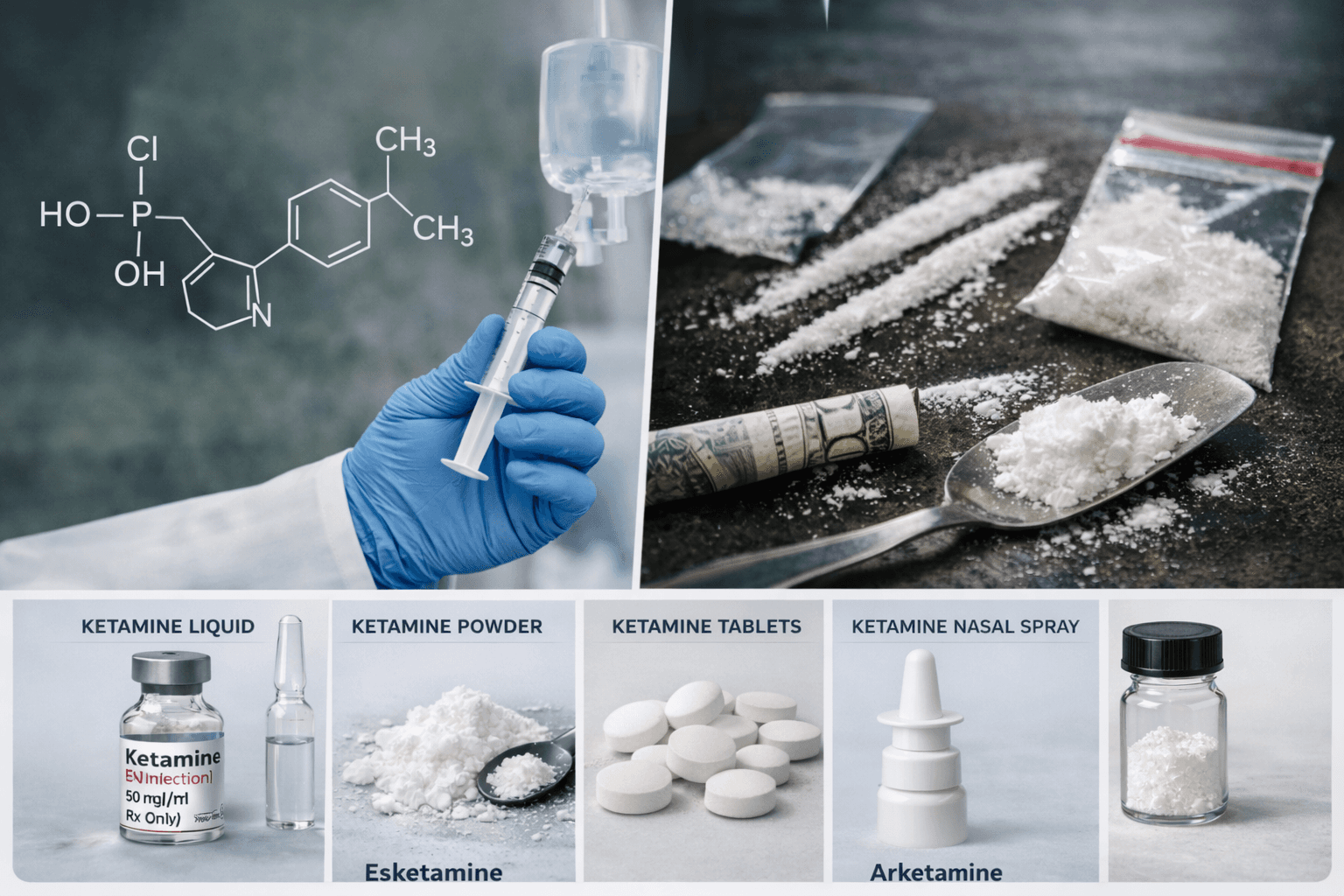
(Yes, the Anesthesia Drug That Also Fights Depression)
A Comprehensive Clinical and Educational Reference. Based on Peer-Reviewed Literature through 2026
Introduction: Meet Ketamine, the Unlikely Hero of Modern Psychiatry
Imagine a drug invented in the 1960s to knock out soldiers during the Vietnam War that has now become one of the most exciting medicines in all of modern brain science. That is the strange, surprising, and genuinely fascinating story of ketamine.
Ketamine was originally created as a safer version of phencyclidine (PCP) and was approved by the FDA in 1970 as an anesthetic. For decades, it kept patients comfortable during surgery and helped injured soldiers in the field. Then scientists made a jaw-dropping discovery: ketamine could lift severe depression in a matter of hours. Not weeks. Hours. For people who had tried every other antidepressant and failed, this was nothing short of a miracle.
Today, a close chemical cousin called esketamine (brand name Spravato) is FDA-approved and available in clinics for treatment-resistant depression and for people with depression who are actively thinking about suicide. Doctors also use regular ketamine "off-label" (meaning outside of its official approval) for the same purposes.
This article is your complete, plain-language guide to everything that matters about ketamine: what it does, who it helps, who should avoid it, how it is given, what side effects to watch for, how it interacts with other medications, and much more.
Key Fact: Ketamine works through a completely different pathway than traditional antidepressants. Most antidepressants take 4 to 6 weeks to work. Ketamine can reduce depression symptoms within hours to a few days.
Chapter 1: What Exactly Is Ketamine?
The Chemistry Made Simple
Ketamine is what chemists call a racemic mixture. Think of it like a pair of hands: your left hand and your right hand look almost identical, but they are mirror images of each other and cannot be stacked perfectly on top of one another. Ketamine contains two such mirror-image molecules called enantiomers.
R-ketamine (R stands for "right"): One of the two mirror-image forms.
S-ketamine (S stands for "left"): The other mirror-image form. This one is about four times stronger at hitting its target in the brain.
Esketamine (Spravato) is the pure S-ketamine enantiomer. Racemic ketamine (the original drug) contains equal amounts of both.
How It Works in the Brain: A Glutamate Revolution
Most antidepressants you have heard of (like Prozac or Zoloft) work by adjusting levels of a brain chemical called serotonin. Ketamine does something completely different. It targets the brain's main excitatory messaging system, a system built around a chemical called glutamate.
Here is the step-by-step explanation of what happens when ketamine enters your brain:
Step 1: Ketamine blocks a type of brain receptor called the NMDA receptor (N-methyl-D-aspartate receptor). These receptors are found on "quieting" brain cells called GABAergic inhibitory interneurons.
Step 2: By blocking these quieting cells, ketamine causes a temporary surge of glutamate, the brain's main "go" signal.
Step 3: This glutamate surge activates a different type of receptor called AMPA receptors.
Step 4: AMPA activation triggers the release of BDNF (brain-derived neurotrophic factor), essentially the brain's own fertilizer for growing new connections.
Step 5: This kicks off a chain reaction through a pathway called mTOR (mammalian target of rapamycin), which helps the brain build new synaptic proteins and strengthen connections between neurons.
The end result is something remarkable: a rapid regrowth and strengthening of brain connections in areas related to mood and thinking. Depression, in many ways, involves the shrinking and weakening of these connections. Ketamine helps rebuild them with impressive speed.
Interesting Paradox: Even though ketamine blocks NMDA receptors, some NMDA receptor activity downstream is actually necessary for its antidepressant effect. Blocking all NMDA activity (with other drugs) actually prevents ketamine from working. Science is wonderfully weird.
Chapter 2: Who Is Ketamine For? (Official Indications)
FDA-Approved Uses
The FDA has given official approval for esketamine (Spravato) as a nasal spray for two specific groups of adults:
FDA-Approved Indication | Definition | How It Is Used |
|---|---|---|
Treatment-Resistant Depression (TRD) | Failed to get better on at least 2 different antidepressants given at adequate doses for adequate time | Used together with an oral antidepressant |
MDD with Acute Suicidal Ideation or Behavior | Major depressive disorder in a patient who is actively thinking about suicide or has recently attempted it | Used together with an oral antidepressant; note: has NOT been proven to prevent suicide itself |
Off-Label Use: Regular Ketamine IV
The original racemic ketamine is FDA-approved only as an anesthetic. However, doctors can and do use it "off-label" for depression treatment via IV infusion, and major medical guidelines now support this practice.
The 2022 VA/DoD Clinical Practice Guidelines now recommend ketamine or esketamine as treatment options for patients who have not responded to several adequate medication trials. This is a major shift from the 2016 guideline that actually recommended against ketamine outside of research settings.
What Is Treatment-Resistant Depression (TRD)?
TRD is defined as failing to respond to at least 2 adequate antidepressant trials from different medication classes. It affects millions of Americans and represents one of the most difficult challenges in all of medicine. Ketamine represents one of the few truly new treatment approaches for this population in decades.
Important Limitation: About 50% of TRD patients do not respond to ketamine or esketamine. Scientists are actively searching for biological markers to predict who will respond, but we are not there yet.
Chapter 3: How Is Ketamine Given? Dosing and Administration
Intravenous (IV) Racemic Ketamine
This is the "original" method used in most academic medical centers and specialized ketamine clinics. The medication goes directly into a vein through an IV line.
Parameter | Details |
|---|---|
Standard Single Dose | 0.5 mg/kg of body weight |
Infusion Time | 30 to 40 minutes |
Effective Dose Range | 0.2 to 1.0 mg/kg (above 0.5 mg/kg does not increase benefit) |
Typical Course | 2 to 3 infusions per week for 3 to 4 weeks |
Oral Form (less common) | 50 to 100 mg per day, 3 days per week for 3 weeks |
Peak Effect Timing | 24 hours after infusion |
Duration of Single Infusion Effect | 3 to 4 days (extended to 7 days when combined with an oral antidepressant) |
Intranasal Esketamine (Spravato)
Esketamine (Spravato) is administered as a nasal spray in a certified healthcare setting. Patients cannot take it home.
Parameter | Details |
|---|---|
Induction Phase Frequency | Twice per week |
Maintenance Phase Frequency | Once per week or once every 2 weeks |
Dose Range | 28 mg, 56 mg, or 84 mg per administration |
Best Response Dose | 56 to 84 mg (28 mg shows inferior efficacy) |
Post-Treatment Monitoring | Mandatory 2 hours (REMS program requirement) |
Must Be Combined With | An oral antidepressant |
Driving Restriction | Cannot drive for the remainder of treatment day |
What Setting Is Required?
Ketamine and esketamine are NOT take-home medications (for psychiatric use). They must be given in a supervised clinical setting with specific staff requirements:
A licensed physician (MD or DO) with Advanced Cardiac Life Support (ACLS) certification
Ability to manage cardiovascular emergencies on-site
Staff trained to handle behavioral changes and altered mental status
An on-site clinician able to evaluate psychiatric symptoms before the patient leaves
Rapid follow-up capability if problems develop after leaving
For esketamine: the clinic and pharmacy must both be certified under the REMS program
⚠️ REMS Program Alert: Esketamine (Spravato) requires enrollment in the FDA's Risk Evaluation and Mitigation Strategy (REMS) program. This means only certified healthcare settings can administer it, and patients must be monitored for at least 2 hours after every dose. This is not something patients can self-administer at home.
Chapter 4: Does It Actually Work? Efficacy Data
IV Ketamine Efficacy
The numbers are genuinely impressive for IV ketamine, especially compared to placebo:
Outcome Measure | Ketamine Result | What This Means |
|---|---|---|
Clinical Response (24 hrs) | Pooled OR = 6.33 vs. placebo | About 6 times more likely to respond than placebo |
Remission Rate (24 hrs) | Pooled OR = 5.11 vs. placebo | About 5 times more likely to be in remission than placebo |
Effect Size (24 hrs) | Hedges' g = 1.52 | Very large effect (above 0.8 is considered large) |
Sustained Effect at 7 Days | SMD = 0.49 | Moderate effect; declines after 24-hour peak |
With Ongoing Antidepressant | Significant improvement up to 7 days | Combining with oral antidepressant extends benefit |
Intranasal Esketamine Efficacy
Esketamine shows good but somewhat smaller effects than IV ketamine, which may partly reflect the different route of delivery (nasal vs. IV):
Trial | Result | Notes |
|---|---|---|
TRANSFORM-2 (key approval trial) | LSMD of -4.0 points on depression scale vs. placebo (p=0.020) | Statistically significant |
TRANSFORM-1 | LSMD of -3.2 (similar effect size) | Did not reach statistical significance |
TRANSFORM-3 (elderly) | LSMD of -3.6 | Did not reach statistical significance |
Response vs. Remission | Response: 36% (esketamine) vs. 18% (control); Remission: 29% vs. 7% | About double the response rate vs. standard care |
Overall Effect Size | Hedges' g = 0.31 | Moderate effect; smaller than IV ketamine |
Head-to-Head: IV Ketamine vs. Intranasal Esketamine
When researchers directly compared the two, IV racemic ketamine came out ahead:
Overall response: IV ketamine RR = 3.01 vs. intranasal esketamine RR = 1.38
Remission rates: IV ketamine RR = 3.70 vs. intranasal esketamine RR = 1.47
Dropouts: Fewer dropouts with IV ketamine
Important Note: These head-to-head comparisons are complicated because the two drugs are given via different routes (IV vs. nasal spray). IV delivery gets the drug into the bloodstream much more efficiently. It is a bit like comparing a garden hose directly into a bucket versus spraying water in its general direction.
Chapter 5: Who Benefits Most?
Primary Candidates
The best candidates for ketamine or esketamine treatment are:
Adults with Treatment-Resistant Depression (TRD): Failed at least 2 adequate antidepressant trials from different medication classes
Adults with MDD and active suicidal ideation or behavior who need rapid symptom relief
Patients who cannot tolerate or are not responding to standard antidepressants
Features That May Predict a Better Response
Researchers are working hard to identify who is most likely to benefit. Preliminary evidence suggests these factors may be associated with better outcomes:
Positive Predictors (May Respond Better) | Negative Predictors (May Respond Less Well) |
|---|---|
Prominent anhedonia (inability to feel pleasure) | Melancholic depression subtype |
Sleep disturbances as a prominent symptom | Current use of benzodiazepines |
History of childhood physical abuse | Presence of metabolic syndrome |
Obesity | |
Personality trait of openness | |
Better baseline episodic memory and visual learning | |
Paradoxically, slower processing speed at baseline |
These are preliminary findings and should not be used to exclude patients. The field of precision psychiatry (matching treatments to individual patients) is advancing rapidly.
Chapter 6: Who Should NOT Use Ketamine? Contraindications
Hard Stops: Absolute Contraindications
🚫 ABSOLUTE CONTRAINDICATIONS: Do not use ketamine in patients with any of the following conditions.
Condition | Why It Is Dangerous |
|---|---|
Poorly controlled cardiovascular disease | Ketamine raises blood pressure and heart rate; can trigger angina, heart attack, or hypertensive crisis in unstable patients |
Uncontrolled hypertension | Same reason as above |
Recent myocardial infarction (heart attack) | Heart cannot tolerate the cardiovascular stimulation |
High-risk coronary artery disease | Risk of precipitating angina or heart attack |
Severe hepatic dysfunction (cirrhosis) | Ketamine is metabolized by the liver; severe dysfunction impairs clearance and increases toxicity risk |
Active psychotic disorder (schizophrenia, schizoaffective disorder) | Ketamine can worsen or reactivate psychotic symptoms including hallucinations and delusions |
Proceed with Caution: Relative Contraindications
These conditions do not automatically rule out ketamine, but they require careful evaluation, monitoring, and shared decision-making between patient and provider:
Condition | Concern | Clinical Approach |
|---|---|---|
Elevated intracranial pressure | Theoretical concern; evidence suggests low actual risk at subanesthetic doses | May use with monitoring; discuss risk-benefit |
Elevated intraocular pressure (glaucoma) | Same theoretical concern as above | May use with caution at lower doses |
Brain tumor or traumatic brain injury | Concern about ICP effects | Individualized risk-benefit assessment |
Moderate hepatic impairment | Altered drug metabolism | Use with monitoring of liver enzymes |
Active substance use disorder | Abuse potential; risk of dependence | Thorough risk stratification required; avoid serial infusions |
History of serious psychomimetic reactions | Risk of severe dissociation or psychosis recurrence | Screen carefully; consider premedication |
Delirium | Ketamine may worsen confusion and disorientation | Avoid or delay until delirium resolves |
Pregnancy | Insufficient safety data for the fetus | Avoid; use only if absolutely necessary |
Breastfeeding | Insufficient safety data | Avoid |
Patients needing benzodiazepines as rescue | Contraindication to rescue medication creates clinical dilemma | Plan carefully before initiating |
What Must Happen Before Starting Treatment
Before any patient receives ketamine for depression, the prescribing clinician must complete:
Thorough medical and psychiatric history
Review of all current medications and potential drug interactions
Assessment of cardiovascular risk
Evaluation of substance use history
Suicide risk assessment
Liver function testing (baseline; especially important for recurring dosing)
Screening for psychotic symptoms and personal or family history of psychosis
Screening for bipolar disorder (to watch for manic switching during maintenance)
Dissociative Experience Scale (DES) screening for high trait dissociation
Informed consent discussion including risks, benefits, and alternatives
Chapter 7: Side Effects and Adverse Events
The Good News First
The vast majority of ketamine's side effects during treatment are mild, predictable, and temporary. They typically peak around 30 minutes after the infusion or dose, and most resolve within 60 to 90 minutes. They also tend to get milder with subsequent treatments as the body becomes accustomed to the drug.
Common Acute Side Effects During and After Treatment
Body System | Side Effects | Typical Timing |
|---|---|---|
Neurological/Dissociative | Dissociation (feeling detached from reality), feeling strange or unreal, derealization, depersonalization, hallucinations (transient) | During and immediately after treatment; peaks at 30 min |
Psychiatric | Anxiety, agitation, euphoria/mood elevation, emotional lability, panic (rare) | During treatment |
Cardiovascular | Increased blood pressure (most common), increased heart rate, palpitations, chest tightness | During treatment; resolves within 90 minutes |
Neurological | Headache, dizziness, sedation, poor coordination, tremor, faintness | During and shortly after treatment |
Gastrointestinal | Nausea, vomiting, constipation (more common with esketamine) | During and shortly after treatment |
Sensory | Blurred vision, vertigo, paresthesia (tingling/numbness) | During treatment |
Other | Fatigue, dry mouth, insomnia, general malaise | Day of treatment |
Esketamine vs. Ketamine: Comparing Side Effects by Odds Ratio
Research has quantified how much more likely esketamine patients are to experience each side effect compared to placebo. Higher odds ratios mean the side effect is more strongly associated with the drug:
Side Effect | Odds Ratio vs. Placebo | Interpretation |
|---|---|---|
Dissociative symptoms | 8.76 | Most prominent distinguishing effect |
Feeling intoxicated ("drunk") | 7.58 | Very common; expected effect |
Sensory disturbance | 7.25 | Altered perception of senses |
Sedation | 5.31 | Significant drowsiness expected |
Postural dizziness | 4.70 | Sit up slowly; fall risk |
Constipation | 4.07 | Bowel management may be needed |
Dizziness | 3.67 | General dizziness |
Paresthesia/nerve-related symptoms | 3.51 | Tingling, numbness |
Nausea/vomiting | 3.24 | Antiemetics helpful |
Blood pressure changes | 2.67 | Monitor throughout |
Sleepiness/drowsiness | 2.11 | Driving prohibited after treatment |
How Many People Experience Side Effects?
The Number Needed to Harm (NNH) tells us how many patients need to be treated before one extra person experiences a harmful side effect compared to placebo. A higher NNH is better because it means side effects are less common.
IV ketamine NNH for any adverse event: 2 (meaning most patients will have at least one side effect)
Intranasal esketamine: Higher NNH (better tolerability for most individual side effects)
No significant serious adverse events were found in major meta-analyses
Significant psychomimetic effects occur in 3.5% to 7.4% of patients
Managing Acute Side Effects
Clinicians have a toolkit for managing side effects when they occur:
First choice for dissociation and psychotomimetic effects: Low-dose benzodiazepines (lorazepam, midazolam). Important caveat: these may reduce the antidepressant benefit, creating a clinical tradeoff.
Alternative: Alpha-2 agonists like clonidine for dissociative symptoms.
For nausea: Standard antiemetic medications.
NOT recommended: Antipsychotic medications are not recommended for ketamine-induced psychomimetic effects in this setting.
Chapter 8: Long-Term Safety Concerns
This is where things get more nuanced. Short-term ketamine use in supervised clinical settings appears safe for most patients. Long-term use raises several concerns that clinicians must actively monitor.
1. Cognitive Effects (Brain Function)
The good news is that therapeutic doses of esketamine (up to 84 mg intranasally, given weekly or every two weeks) were associated with maintained or slightly improved cognitive function in adults with depression over several years of clinical trials. Here is the detailed picture:
Population | Cognitive Findings |
|---|---|
Adults with TRD using therapeutic doses | Stable or slightly improved cognitive function in long-term trials |
Elderly patients on therapeutic doses | Some potential worsening in attention and processing speed; clinical significance unclear |
Patients receiving 12 to 45 total treatments over 14 to 126 weeks (real-world data) | No evidence of cognitive decline observed |
Recreational users taking more than 1 gram per day | Memory and executive function impairments documented |
Chronic recreational users (average 2.4 grams per day for 2 to 9.7 years) | Lower gray matter volume, reduced white matter integrity, impaired brain connectivity |
The key takeaway: therapeutic doses are very different from recreational doses. The doses used in treatment are dramatically lower than recreational abuse doses, and the safety profiles appear very different.
2. Urinary and Bladder Problems (Ketamine-Associated Uropathy)
This is the most well-documented long-term complication of ketamine use, though it is mainly a problem for high-dose recreational users:
Population | Prevalence of Urological Problems |
|---|---|
Recreational users (high dose) | 44% to 77% experience lower urinary tract symptoms |
Recreational users (high dose) | 8% to 30% develop upper urinary tract disease (kidney involvement) |
Patients receiving therapeutic psychiatric doses | 0% to 24% (urological symptoms similar to placebo in most clinical trials) |
Long-term maintenance depression treatment | Some urinary adverse events reported, but serious problems appear uncommon |
When bladder problems do occur, the symptoms include painful blood in the urine, burning with urination, frequent and urgent urination, pain after urinating, and in severe cases, a shrunken contracted bladder.
The mechanism involves direct toxic damage from ketamine and its breakdown products to the lining of the bladder, triggering inflammation through multiple pathways. This process appears to be dose-dependent and worse with oral administration (which exposes the bladder lining to higher concentrations of metabolites in the urine).
Risk Reduction Strategies: Drink extra water on treatment days, urinate frequently, use the lowest effective dose and frequency, and if urinary symptoms develop, report them immediately to your doctor.
3. Liver Effects (Hepatotoxicity)
Ketamine is metabolized in the liver, and repeated use can cause liver enzyme elevations:
About 10% of patients receiving high-dose ketamine infusions experience significant liver enzyme increases
3 out of 6 patients receiving repeated very high-dose continuous infusions developed significant liver enzyme elevations (more than 3 times baseline)
9.8% of chronic abusers have liver injury, all involving a cholestatic (bile-related) pattern
Good news: Liver enzyme levels generally return to normal within 2 to 3 months after stopping ketamine
The FDA's Ketalar label now requires baseline liver function testing (including alkaline phosphatase and gamma-glutamyl transferase) and periodic monitoring during treatment
4. Abuse Potential and Dependence
Ketamine is a Schedule III controlled substance in the United States. This means it has recognized medical use but also carries abuse potential.
Context | Findings |
|---|---|
Controlled clinical trials (supervised, professional setting) | No misuse, dependence, diversion, or gateway drug activity observed in TRD patients |
Long-term maintenance treatment studies | Dependence reported in only 1 patient across reviewed studies |
Treatment discontinuation due to adverse effects | Required in only 0.7% of 6,630 patients receiving repeated ketamine for depression |
FDA Pharmacovigilance data for ketamine | Increased reporting of substance dependence (ROR 18.72), substance use disorder (ROR 11.40) |
FDA Pharmacovigilance data for esketamine | Reduced reporting of substance abuse (ROR 0.37), drug dependence (ROR 0.13) |
The bottom line: In supervised clinical settings with proper patient selection, the risk of ketamine addiction appears low but is not zero. Patients with a history of substance use disorder require especially careful assessment.
5. Psychiatric Concerns During Maintenance Treatment
Long-term maintenance ketamine treatment carries specific psychiatric risks that deserve close monitoring:
Relapse of depression severe enough to result in suicide or suicide attempt was reported 14 times across maintenance treatment studies
Most common reasons for discontinuing maintenance treatment were partial relapse or worsening depression including suicidality
Additional reasons for stopping: anxiety, temporary confusion, manic episodes
⚠️ Important Warning for Bipolar Patients: During acute ketamine treatment, manic episodes are rare. However, during maintenance treatment, 28.9% of bipolar patients (roughly 1 in 3) experienced symptoms consistent with hypomania or mania at some point. This translates to about 1 event per 2.7 patient-years of treatment. Careful monitoring is essential.
Long-Term Monitoring Recommendations
Based on current evidence, clinicians should routinely monitor patients on long-term ketamine therapy for:
What to Monitor | When and How |
|---|---|
Cognitive function | Consider repeated cognitive assessments, especially with higher doses or off-label use |
Urological symptoms | Ask about urinary symptoms at every visit; consider urine testing every 2 to 4 weeks |
Liver function tests | Baseline before starting; periodic monitoring with repeated dosing (include alkaline phosphatase and GGT) |
Substance use | Vigilant assessment for signs of ketamine misuse; urine toxicology screening when clinically indicated |
Dosing frequency | If dosing cannot be spaced to minimum of once per week by the second month of treatment, consider discontinuation |
Mood and psychiatric status | Monitor for manic switching (especially in bipolar disorder), worsening depression, or suicidality |
Blood pressure and cardiovascular status | Monitor at every treatment session |
Chapter 9: Medication Interactions
How Ketamine Is Metabolized (The CYP450 System)
Ketamine is broken down in the liver primarily by enzymes of the cytochrome P450 (CYP450) family. This is important because many other medications either speed up or slow down these same enzymes, which changes how much ketamine stays in the bloodstream:
Primary enzymes: CYP2B6 and CYP3A4
Secondary enzymes: CYP2C9 and CYP2A6
FDA-Labeled Drug Interactions (From the Official Prescribing Information)
Drug or Drug Class | Type of Interaction | Clinical Recommendation |
|---|---|---|
Theophylline / Aminophylline (asthma medications) | May lower the seizure threshold when combined with ketamine | Consider an alternative to ketamine in patients on these drugs |
Sympathomimetics (e.g., epinephrine, pseudoephedrine) / Vasopressin | Enhance ketamine's cardiovascular stimulating effects; can cause excessive blood pressure and heart rate elevation | Close vital sign monitoring; dose adjustment may be needed |
Benzodiazepines (e.g., Xanax, Valium, Ativan) | Increased sedation, respiratory depression; risk of coma or death in overdose situations | Monitor closely; this combination is unavoidable in patients needing rescue medication for dissociation |
Opioids (e.g., morphine, oxycodone) | Increased sedation and respiratory depression; opioids may also prolong recovery time from ketamine | Close monitoring of breathing and neurological status required |
CYP450 Inducers: Drugs That Reduce Ketamine Levels
These drugs speed up the enzymes that break down ketamine, meaning ketamine is cleared faster, blood levels are lower, and the antidepressant effect may be weaker:
Carbamazepine (Tegretol, an anticonvulsant and mood stabilizer)
Phenytoin (Dilantin, an anticonvulsant)
Phenobarbital (an anticonvulsant and sedative)
Rifampin (an antibiotic used for tuberculosis)
CYP450 Inhibitors: Drugs That Increase Ketamine Levels
These drugs slow down the enzymes that break down ketamine, meaning ketamine stays in the body longer and at higher levels, potentially increasing side effects:
SSRIs: fluoxetine (Prozac), paroxetine (Paxil), fluvoxamine (Luvox)
SNRIs
Ketoconazole (antifungal)
Ritonavir (HIV medication)
Clinical Note: Many patients on ketamine for depression are also on SSRIs or SNRIs. These are generally safe to combine (and the FDA specifically approves esketamine for use with oral antidepressants), but clinicians should be aware that these drugs can mildly increase ketamine exposure.
Psychiatric Medication Interactions
Medication Class | Interaction | Clinical Significance | Recommendation |
|---|---|---|---|
Benzodiazepines (e.g., Ativan, Xanax) | Repeatedly shown to reduce the duration of ketamine's antidepressant effect | High significance; creates clinical dilemma since these are also rescue medications for side effects | Minimize use if possible; timing may help |
Lamotrigine (Lamictal) | 2 of 5 studies showed attenuation of ketamine effects; may also reduce adverse effects | Moderate; unknown whether it reduces therapeutic benefit proportionally | Requires further study; discuss with provider |
Lithium | No significant pharmacodynamic interactions reported; lithium continuation after ketamine did not improve outcomes in one RCT | Low clinical significance | Generally safe to combine |
Haloperidol (Haldol) | Mixed evidence: 1 study showed interaction, 2 did not | Low-quality evidence | No clear guidance; standard caution |
Risperidone (Risperdal) | Attenuates ketamine-induced changes in brain blood flow | Uncertain clinical relevance | May theoretically reduce both side effects and benefits |
Clozapine | Blunts ketamine-induced positive (psychotic) symptoms | May reduce psychotomimetic effects; useful if patient on clozapine already | Observe clinical response carefully |
Olanzapine (Zyprexa) | No significant effect on acute psychotomimetic effects | Minimal interaction expected | Standard monitoring |
SSRIs / SNRIs | Clinical trial data show these can be combined without compromising efficacy or increasing adverse effects | Low concern; combination is FDA-endorsed for esketamine | Safe and recommended to continue oral antidepressant |
MAOIs (e.g., phenelzine, tranylcypromine) | 39-patient case series showed no hypertensive crisis or serotonin syndrome; blood pressure increases were mild in most; dose-response relationship found between MAOI dose and blood pressure rise | Safer than previously assumed, but evidence is limited | Can be considered with careful blood pressure monitoring; caution at higher MAOI doses |
The Benzodiazepine Dilemma Explained
Here is the trickiest interaction in all of ketamine medicine: benzodiazepines both help and hurt.
They HELP because when a patient becomes severely dissociated or anxious during a ketamine session, a small dose of a benzodiazepine like lorazepam can calm the reaction and allow treatment to continue.
They HURT because multiple studies show that benzodiazepines reduce the duration of ketamine's antidepressant effect. The mechanism is not fully understood, but it may involve suppression of the glutamate activity that ketamine is trying to stimulate.
The clinical solution is to minimize benzodiazepine use around ketamine treatments whenever safely possible, and to time any necessary benzodiazepine doses as far from the infusion as clinically feasible.
Genetic Factors: Your DNA Affects How You Process Ketamine
The primary enzyme that breaks down ketamine (CYP2B6) has many genetic variants. Common CYP2B6 gene variants including CYP2B6.6, CYP2B6.9, CYP2B6.16, and CYP2B6.18 can reduce the enzyme's activity to less than half of normal. People with these genetic variants process ketamine more slowly and may have higher blood levels and longer effects from the same dose. This is an active area of research and may eventually inform precision dosing strategies.
Chapter 10: Who Is Most Vulnerable to Psychiatric Side Effects?
Some patients are at substantially higher risk for psychiatric adverse reactions to ketamine. Identifying these individuals before treatment is critically important.
High-Risk Populations Summary
Population | Risk Level | Specific Concern | Recommendation |
|---|---|---|---|
Active psychosis or schizophrenia | HIGH | Reactivation or worsening of hallucinations and delusions | Relative contraindication; avoid or use with extreme caution only |
History of psychosis (currently remitted) | MODERATE | Theoretical risk of reactivation; emerging data suggest may be safer than assumed | May be considered with careful monitoring and risk discussion |
High baseline dissociation (DES score above 30) | MODERATE TO HIGH | 3-fold increased risk of severe induced dissociation during treatment | Screen with DES tool before starting; counsel on risks; have rescue plan ready |
Bipolar disorder | MODERATE | Safe during acute treatment; 28.9% experience hypomania or mania during maintenance | Safe to use acutely; intense monitoring required during maintenance |
Acute stress disorder / recent trauma | MODERATE | Ketamine's psychotomimetic effects may worsen trauma-related dissociation and perceptual symptoms | Weigh risks and benefits very carefully in peritraumatic period |
Depression with psychotic features | UNCERTAIN | Theoretical risk; limited data suggest may actually improve both mood and psychotic symptoms in some cases | Very limited data; further research needed |
Elderly with preexisting cognitive impairment | MODERATE TO HIGH | 52% delirium rate post-treatment vs. 20% in cognitively normal elderly | Consider alternatives; if ketamine used, intensive monitoring required |
The Dissociation Scale: A Key Screening Tool
The Dissociative Experience Scale (DES) measures a patient's baseline tendency toward dissociation in daily life. Research found that for every 5-point increase on this scale, the risk of experiencing severe induced dissociation from ketamine increases by about 11% in an exponential pattern. Patients scoring above 30 on the DES had:
41% higher overall risk of significant induced dissociation
3 times the risk of experiencing very severe induced dissociation
Practical Tip: More than 30% of TRD patients score 30 or above on the DES scale, meaning high trait dissociation is common in the very population most likely to receive ketamine. Screening before treatment is not just academic; it affects clinical management decisions.
What Factors in How Ketamine Is Given Affect Psychiatric Risk?
Administration Factor | Effect on Psychiatric Side Effects | Clinical Implication |
|---|---|---|
Bolus injection plus continuous infusion | Psychotomimetic effect size 1.63 vs. 0.84 for infusion alone | Avoid bolus dosing; use slow 40 to 60 minute infusions |
Single-day vs. multi-day study | Single-day effect size 2.29 vs. 1.39 for multi-day | Acute tolerance may develop with repeated dosing |
Higher (anesthetic range) doses | 90% of patients experience moderate to severe psychomimetic effects | Keep doses in subanesthetic range for psychiatric use |
S-ketamine enantiomer | May produce more dissociative and psychedelic effects | Consider racemic ketamine in more vulnerable patients |
No premedication | Higher rates of psychomimetic effects | Consider low-dose midazolam or clonidine for high-risk patients |
Chapter 11: Combining Ketamine with Psychotherapy
Why Combine Them?
Scientists have proposed a compelling theory: ketamine's neuroplasticity window (the period right after infusion when the brain is building new connections) might be an ideal time to do psychotherapy. The idea is that if the brain is literally growing new connections, talking through problems and learning new thinking patterns might "stick" better.
Ketamine-Assisted Psychotherapy (KAP) has been studied across multiple therapy styles. A 2026 systematic review identified 72 studies examining these combinations.
Psychotherapy Approaches Studied
Therapy Type | Key Findings |
|---|---|
Cognitive Behavioral Therapy (CBT) | A randomized trial found a moderate to large effect size (d=0.71) favoring CBT following ketamine infusions on self-reported depression; ketamine responders showed improved emotional working memory that may enhance CBT effectiveness |
Acceptance and Commitment Therapy (ACT) | Proposed model uses ketamine's dissociative effects to practice psychological flexibility and acceptance; integration sessions consolidate insights |
Cognitive Processing Therapy (CPT) | Pilot study in transgender adults with identity-based trauma: significant reductions in depression, anxiety, and cognitive fusion; 100% retained in treatment; group belonging enhanced outcomes |
Psychodynamic Psychotherapy | Real-world case series: 67% response rate, 58% remission; ego dissolution during ketamine correlated with insight and symptom improvement; 50% sustained remission at 1 year |
Psychedelic-Assisted Model | Randomized trial in severe TRD: large effect sizes (d=1.2 clinician-rated, d=0.87 self-reported); mystical-like experiences correlated with antidepressant benefit, similar to findings with psilocybin |
The Honest Evidence Summary
Despite the exciting theory, the actual randomized controlled trial data are more cautious:
Only 2 RCTs have specifically tested whether psychotherapy adds benefit beyond ketamine alone
Neither study found statistically significant added effects from combining psychotherapy with ketamine
However, observational data suggest KAP may improve treatment engagement, reduce symptoms more, and extend duration of response compared to psychotherapy alone
The field is young and methodology is improving; this area warrants continued research
Bottom Line: The combination of ketamine and psychotherapy is theoretically compelling and may offer practical benefits in real-world settings, but the randomized controlled trial evidence base for added benefit is not yet established. It does not appear harmful to combine them, and it may offer benefits we have not yet proven in controlled trials.
Chapter 12: Where Does Ketamine Come From?
Ketamine has no natural sources whatsoever. It is a 100% synthetic pharmaceutical compound created entirely in a laboratory. It was developed by scientists as a derivative of phencyclidine (PCP) and was first approved by the FDA as an anesthetic in 1970.
The drug was originally synthesized to be safer than PCP, which had severe psychiatric side effects. Ketamine achieved that goal for anesthesia purposes. Its journey from battlefield anesthetic to antidepressant breakthrough took several more decades of accidental discovery and dedicated research.
There are no plants, herbs, supplements, or natural compounds that contain ketamine or produce equivalent effects. Anyone claiming to sell "natural ketamine" or a herbal equivalent is either mistaken or fraudulent.
Chapter 13: Special Populations and Considerations
Elderly Patients
Older adults with treatment-resistant depression can benefit from ketamine, but require careful selection:
A pilot study of 25 adults aged 60 and older found IV ketamine was well tolerated, with 88% completing treatment and no serious adverse events
Transient blood pressure elevation and dissociation did not require treatment discontinuation
Executive function and fluid cognition actually improved (effect size d=0.61)
However, elderly patients with preexisting cognitive impairment showed a 52% delirium rate after ketamine vs. 20% in cognitively normal elderly (odds ratio 4.36)
Cognitively normal elderly had no increased delirium risk
Some possible worsening of attention and processing speed in elderly on longer-term esketamine, though clinical significance is unknown
Patients with Bipolar Disorder
Acute phase: No manic switches observed during acute treatment in multiple studies
Maintenance phase: 28.9% of bipolar patients experienced hypomania or mania at some point (roughly 1 event per 2.7 patient-years)
Most manic episodes were mild; only 1 required hospitalization
Ketamine may be used in bipolar depression but requires vigilant long-term monitoring
Patients with Substance Use History
This population requires the most careful individualized assessment:
Ketamine is a Schedule III controlled substance with recognized abuse potential
In controlled clinical trials with proper monitoring, addiction occurred in only 1 of hundreds of patients
Risk stratification tools (SOAPP-R, ORT) may help guide decisions, though not formally validated for ketamine
The S-ketamine enantiomer appears to carry more abuse risk than R-ketamine
Serial infusions carry higher cumulative risk than single-dose administration
A "universal precautions" approach is recommended: careful monitoring for all patients, with heightened vigilance for those with substance use history
Pregnant and Breastfeeding Women
Insufficient safety data exist for ketamine use in pregnancy or breastfeeding. Current guidelines recommend avoiding ketamine in these populations unless the potential benefit clearly outweighs the unknown risks.
Chapter 14: Ketamine vs. Electroconvulsive Therapy (ECT)
ECT has long been considered the gold standard for treatment-resistant depression. A 2022 systematic review and meta-analysis directly compared ketamine to ECT for major depressive episodes:
Outcome | Ketamine | ECT | Notes |
|---|---|---|---|
Antidepressant effect | Significant | Significant | Both effective; ECT may have edge in some comparisons |
Speed of action | Hours to days | Days to weeks | Ketamine much faster |
Dissociation | Common (acute) | Not applicable | Ketamine-specific effect |
Memory effects | Generally neutral or improved at therapeutic doses | Some memory impairment common | Advantage to ketamine |
Setting requirements | Outpatient clinic | Hospital or outpatient with anesthesia team | Ketamine easier to access |
Need for repeated treatments | Yes | Yes | Both require maintenance |
Contraindications overlap | Cardiovascular, psychosis | Similar cardiovascular concerns | Different profiles |
Chapter 15: Quick Reference Guide
Medications to Avoid or Use With Caution
Medication/Class | Reason | Level of Concern |
|---|---|---|
Theophylline / aminophylline | Lowers seizure threshold | HIGH: Consider alternative to ketamine |
Benzodiazepines | May reduce antidepressant duration; also needed as rescue medication | HIGH: Clinical dilemma; minimize if possible |
Other NMDA antagonists (e.g., memantine) | Block ketamine's antidepressant mechanism | HIGH: Avoid concurrent use for depression |
Strong CYP inducers (carbamazepine, phenytoin, rifampin, phenobarbital) | Reduce ketamine blood levels and may reduce efficacy | MODERATE: May need dose adjustment |
Opioids | Additive CNS and respiratory depression | MODERATE: Close monitoring required |
Sympathomimetics / vasopressin | Enhanced cardiovascular effects | MODERATE: Vital sign monitoring required |
Lamotrigine | May reduce both adverse effects AND antidepressant benefit (unclear) | LOW TO MODERATE: Unknown net effect |
Medications That Are Generally Safe to Continue
Medication/Class | Evidence | Notes |
|---|---|---|
SSRIs and SNRIs | FDA-approved combination for esketamine; extends ketamine benefit duration | Continue and may improve outcomes |
Lithium | No significant interaction in clinical studies; continuation therapy after ketamine showed no additional benefit in one RCT | Safe to continue |
Most conventional antidepressants | Clinical trial data support combination without loss of efficacy | Continue |
MAOIs | 39-patient case series: no serious cardiovascular events; may be safer than assumed | Use with blood pressure monitoring |
Chapter 16: The Full Picture at a Glance
Key Takeaways for Patients and Families
Ketamine and esketamine work through the glutamate system, not the serotonin system. This is why they can work when serotonin-based antidepressants have failed.
They work FAST. While traditional antidepressants take 4 to 6 weeks, ketamine can reduce depression symptoms within hours to 2 days.
They are NOT cures. Effects are relatively short-lived without maintenance treatment, and about 50% of TRD patients do not respond.
They MUST be given in a supervised medical setting. This is not negotiable. There is no safe at-home version.
Side effects are mostly mild and temporary, resolving within 90 minutes for most patients. Dissociation is the most characteristic effect.
Long-term use carries real risks including urinary problems, liver effects, and abuse potential, which require active monitoring.
Many people take other medications that interact with ketamine. A complete medication review before starting is essential.
Some patients (active psychosis, poorly controlled heart disease, severe liver disease) should not receive ketamine.
Bipolar patients can receive acute ketamine treatment but need close monitoring during long-term maintenance.
Pregnancy is a contraindication due to insufficient safety data.
Key Takeaways for Clinicians
IV racemic ketamine (0.5 mg/kg over 30 to 40 minutes) has a larger effect size than intranasal esketamine, though direct comparisons are complicated by route differences.
Intranasal esketamine (Spravato) is the only FDA-approved formulation for depression; IV ketamine remains off-label.
Optimal intranasal esketamine dose: 56 to 84 mg (28 mg shows inferior efficacy).
Baseline and monitoring labs should include LFTs (with alkaline phosphatase and GGT), and urinary symptom screening.
Screen for trait dissociation (DES), substance use history, cardiovascular risk, psychotic history, and bipolar disorder before initiating.
The 2022 VA/DoD guidelines now support ketamine/esketamine use after failure of multiple adequate pharmacologic trials.
Combining with CBT may extend antidepressant effects; observational evidence is promising even without definitive RCT proof of synergy.
Dosing frequency: Discontinue if you cannot space doses to minimum once per week by the second month of treatment.
Use alpha-2 agonists or low-dose benzodiazepines for psychomimetic rescue, but document and minimize benzodiazepine use near treatment sessions to protect antidepressant benefit.
References and Source Documents
This article is based on the following peer-reviewed literature and clinical guidelines:
Dean RL, Hurducas C, Hawton K, et al. Ketamine and other glutamate receptor modulators for depression in adults with unipolar major depressive disorder. Cochrane Database of Systematic Reviews. 2021.
Marwaha S, Palmer E, Suppes T, et al. Novel and emerging treatments for major depression. Lancet. 2023.
Dean RL, Marquardt T, Hurducas C, et al. Ketamine and other glutamate receptor modulators for depression in adults with bipolar disorder. Cochrane Database of Systematic Reviews. 2021.
Del Casale A, Spirito S, Arena JF, et al. Esketamine combined with SSRI or SNRI for treatment-resistant depression. JAMA Psychiatry. 2025.
Aguilar-Valles A, De Gregorio D, Matta-Camacho E, et al. Antidepressant actions of ketamine engage cell-specific translation via eIF4E. Nature. 2021.
Zanos P, Brown KA, Georgiou P, et al. NMDA receptor activation-dependent antidepressant-relevant behavioral and synaptic actions of ketamine. Journal of Neuroscience. 2023.
McQuaid JR, Buelt A, Capaldi V, et al. The management of major depressive disorder: synopsis of the 2022 U.S. Department of Veterans Affairs and U.S. Department of Defense clinical practice guideline. Annals of Internal Medicine. 2022.
Feeney A, Papakostas GI. Pharmacotherapy: ketamine and esketamine. Psychiatric Clinics of North America. 2023.
Sanacora G, Frye MA, McDonald W, et al. A consensus statement on the use of ketamine in the treatment of mood disorders. JAMA Psychiatry. 2017.
Ceban F, Rosenblat JD, Kratiuk K, et al. Prevention and management of common adverse effects of ketamine and esketamine in patients with mood disorders. CNS Drugs. 2021.
Guo H, Tang L, He M, et al. Comparative safety and tolerability of ketamine and esketamine for major depressive disorder: a systematic review and meta-analysis. Frontiers in Pharmacology. 2025.
Li SW, Kumpf KT, Urrutia J, et al. Ketamine for depression, but at what cost? A review of ketamine's neurotoxic effects from preclinical and human studies. American Journal of Psychiatry. 2025.
Nikayin S, Murphy E, Krystal JH, Wilkinson ST. Long-term safety of ketamine and esketamine in treatment of depression. Expert Opinion on Drug Safety. 2022.
Smith-Apeldoorn SY, Veraart JK, Spijker J, et al. Maintenance ketamine treatment for depression: a systematic review of efficacy, safety, and tolerability. Lancet Psychiatry. 2022.
Langmia IM, Just KS, Yamoune S, et al. Pharmacogenetic and drug interaction aspects on ketamine safety in its use as antidepressant. British Journal of Clinical Pharmacology. 2022.
Andrade C. Ketamine for depression, 5: potential pharmacokinetic and pharmacodynamic drug interactions. Journal of Clinical Psychiatry. 2017.
Lima Constantino J, Godschalk M, van Dalfsen JH, et al. Demographic and clinical predictors of response and remission in the treatment of MDD with ketamine and esketamine. Psychiatry Research. 2025.
Bahji A, Vazquez GH, Zarate CA. Comparative efficacy of racemic ketamine and esketamine for depression. Journal of Affective Disorders. 2021.
Beck K, Hindley G, Borgan F, et al. Association of ketamine with psychiatric symptoms and implications for its therapeutic use. JAMA Network Open. 2020.
Mello RP, Echegaray MVF, Jesus-Nunes AP, et al. Trait dissociation as a predictor of induced dissociation by ketamine or esketamine in treatment-resistant depression. Journal of Psychiatric Research. 2021.
Veraart JKE, Smith-Apeldoorn SY, Bakker IM, et al. Pharmacodynamic interactions between ketamine and psychiatric medications used in the treatment of depression. International Journal of Neuropsychopharmacology. 2021.
Veraart JKE, Schimmers N, Breeksema JJ, et al. Ketamine-assisted psychotherapies for mental disorders: a historical overview and systematic review. Clinical Psychology Review. 2026.
Andrade C. Ketamine-associated uropathy during therapeutic and nontherapeutic use. Journal of Clinical Psychiatry. 2025.
Rhee TG, Shim SR, Forester BP, et al. Efficacy and safety of ketamine vs. electroconvulsive therapy among patients with major depressive episode. JAMA Psychiatry. 2022.
Short B, Fong J, Galvez V, et al. Side-effects associated with ketamine use in depression: a systematic review. Lancet Psychiatry. 2018.
Santucci MC, Ansari M, Nikayin S, et al. Efficacy and safety of ketamine/esketamine in bipolar depression in a clinical setting. Journal of Clinical Psychiatry. 2024.
Ketalar (ketamine hydrochloride). FDA Drug Label. Food and Drug Administration. Updated 2026.
Oughli HA, Gebara MA, Ciarleglio A, et al. Intravenous ketamine for late-life treatment-resistant depression. American Journal of Geriatric Psychiatry. 2023.
This document is intended for educational purposes and clinical reference. It does not constitute medical advice. Clinical decisions should be made in consultation with a licensed healthcare provider. Based on peer-reviewed literature through April 2026.
HSA/FSA Eligible
Doctors Are Human.
That's Why There's Medome.
Start your free trial today. No credit card required.
Start Your Free Trial
Join thousands protecting their health with AI that never forgets
Critical details get missed when your health information is scattered. Medome connects the dots across your complete record.
Start Your Free Trial
Quick Links
Medome Men
Home
Pricing
About
Health News
HealthSigns
FAQ
Contact Us
Terms of Service
Privacy Policy
Get In Touch
Email: service@medome.ai
Phone: (617) 319-6434
This is Dr. Steven Charlap’s cell. Please text him first, explaining who you are and how he can help you. Use WhatsApp outside the US.
Hours: Mon-Fri 9:00AM - 9:00PM ET