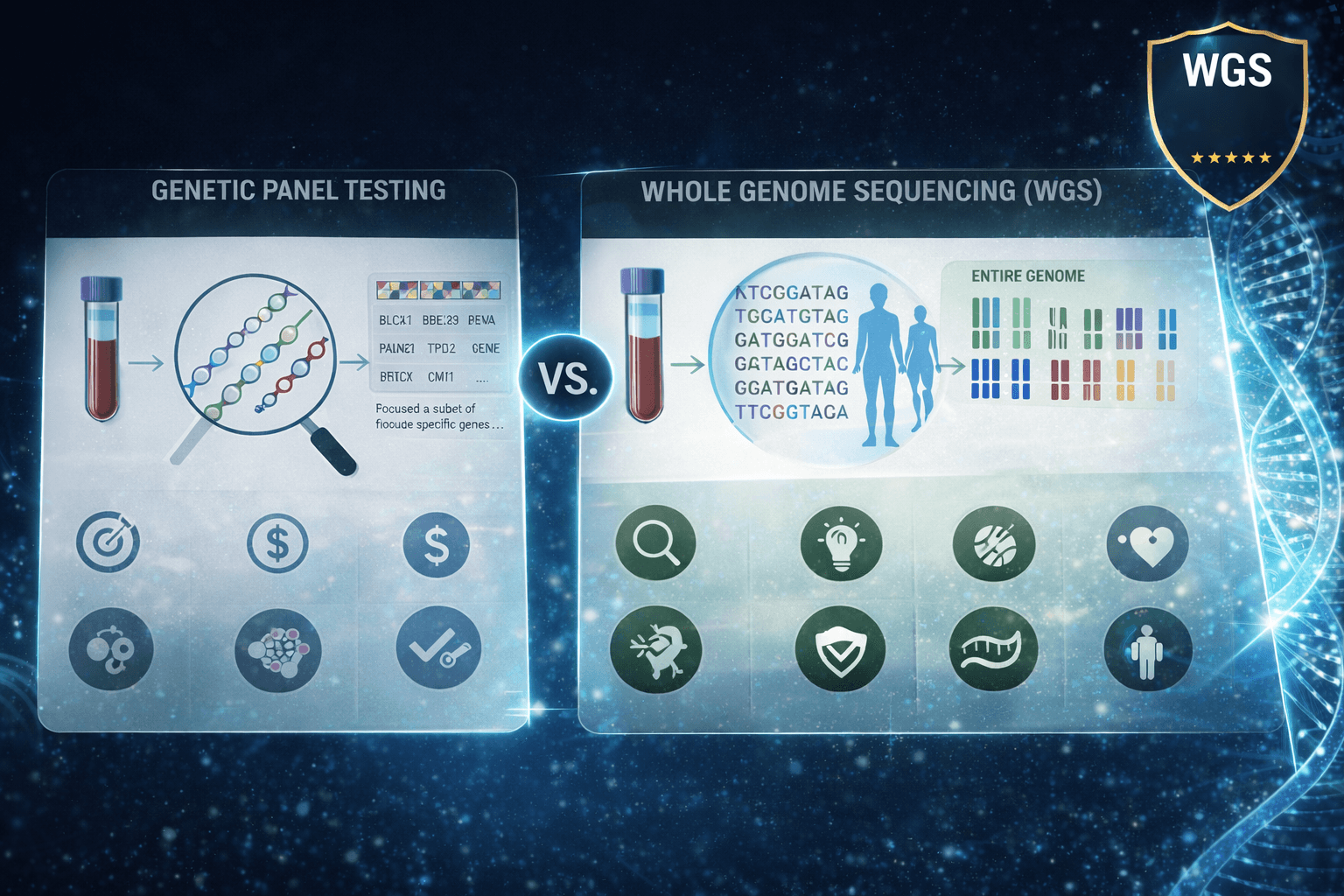
The Complete Guide to Whole Genome Sequencing for Rare Disease Diagnosis
A Humorous Yet Exhaustively Clinical Reference
Imagine having a mystery illness for 10 years, seeing 20 doctors, and getting 15 wrong diagnoses. Now imagine one test that reads all 3 billion letters of your DNA to find the culprit. That is exactly what Whole Genome Sequencing (WGS) does. Think of it as the world's most ambitious game of "Where's Waldo?" except Waldo is a tiny genetic mutation hiding somewhere in your 3,000,000,000-letter instruction manual, and finding him might just save your life.
Based on the 10-Year Karolinska GMCK-RD Report (2015-2023) | 15,644 Patients Analyzed
SECTION 1: What on Earth Is Whole Genome Sequencing?
Let's start simple. Your body is built from instructions. All of those instructions are written in DNA, a chemical alphabet with only four letters: A, T, C, and G. Your entire instruction book, called a genome, contains about 3 billion of these letters. If you printed it all out in regular font, the stack of paper would be taller than the Empire State Building.
Whole Genome Sequencing (WGS) reads every single one of those 3 billion letters, looking for typos, missing words, scrambled sentences, or entire deleted chapters. Those "typos" are what we call genetic variants, and some of them cause rare diseases.
KEY TERM: What Is a Rare Disease?
A rare disease affects fewer than 1 in 2,000 people. There are over 7,000 known rare diseases, and about 80% of them have a genetic cause. Approximately 300 million people worldwide live with a rare disease, and half of them are children. Many patients spend years or even decades bouncing between doctors without a diagnosis. This exhausting journey is called the "diagnostic odyssey," and WGS is one of the most powerful tools we have to end it.
The DNA Alphabet: A Very Quick Review
Before we go further, here's your two-minute genetics crash course. Your DNA is organized into 46 chromosomes (23 pairs). Each chromosome is a long strand of DNA containing thousands of genes. Genes are instructions that tell your cells how to build proteins. Proteins do basically everything in your body, from fighting infections to making your heart beat. When a gene has a mutation, the protein it makes can be broken, missing, or in some cases dangerously overactive. That is how genetic diseases happen.
DNA Component | What It Is | Analogy |
|---|---|---|
Genome | All of your DNA | The complete instruction manual for building you |
Chromosome | One large DNA strand | A single volume in a 46-volume encyclopedia |
Gene | A section of DNA with instructions | One recipe in a cookbook |
Variant / Mutation | A change in the DNA letters | A typo in the recipe |
Protein | What genes help build | The finished dish from the recipe |
SECTION 2: The Genetic Testing Menu (All the Options)
Not all genetic tests are the same. Ordering a genetic test is a little like ordering at a restaurant: sometimes you want just one specific thing, and sometimes you need the entire all-you-can-eat buffet. Here is what is on the menu:
Test Type | What It Looks At | Best For |
|---|---|---|
Single Gene Test | One specific gene | When you already know which gene to suspect |
Gene Panel | 10 to 1,500 specific genes | Known disease categories (e.g., epilepsy, heart disease) |
Chromosomal Microarray (CMA) | Large DNA deletions or duplications | Intellectual disability, birth defects |
Whole Exome Sequencing (WES) | All 20,000+ protein-coding genes (~2% of genome) | Unexplained genetic disease with a clinical clue |
Whole Genome Sequencing (WGS) | Every single base pair (100% of genome) | Complex, unexplained, or previously unsolved cases |
The traditional approach to genetic testing was stepwise: start with the cheapest, narrowest test and work your way up. This is like diagnosing a car problem by first sniffing the exhaust, then checking the tires, then maybe looking at the engine after six months. WGS skips straight to popping open the hood and reading every single component at once.
Why Did We Do Things the Slow Way for So Long?
Cost. In 2001, sequencing a single human genome cost about $100 million. By 2007, it was still $10 million. By 2015, it dropped below $5,000. By 2023, whole genome sequencing could be done for roughly $600 to $1,000 in sequencing costs alone (though interpretation adds more). When something costs less than a used car instead of a house, people start using it differently.
SECTION 3: When to Use WGS (The Indications)
An "indication" in medicine is a reason to use a specific test or treatment. WGS is not for everyone. It is a powerful tool that works best in specific situations. Think of it like a fire extinguisher: incredibly useful when there is an actual fire, probably overkill for warming your soup.
3.1 Strongest Indications (When WGS Shines the Brightest)
Children with Neurodevelopmental Disorders
The Karolinska study analyzed 11,274 patients through its general genetics arm. The most common panel used was the Intellectual Disability (ID) panel, which covers 1,567 genes. About 90% of cases were children, with an average age of 9 years. WGS is especially powerful here because intellectual disability, autism spectrum disorder, and developmental delays are often caused by tiny changes in any one of hundreds of different genes. You cannot guess which one to check. You have to check them all.
Intellectual disability (ID)
Autism spectrum disorder (ASD)
Global developmental delay
Speech and language disorders
Attention deficit hyperactivity disorder (ADHD) with other features
Inborn Errors of Metabolism (IEM)
These are conditions where the body's chemical factories (metabolic pathways) are broken. Babies with IEMs may look fine at birth but deteriorate rapidly. The Karolinska center analyzed 1,859 IEM cases (52% of CMMS cases) over the study period. Early diagnosis is not just helpful. It is life-saving. Some IEMs can be treated with specific diets or medications that completely prevent disability or death if started early enough.
Suspected metabolic disorders in infants or children
Abnormal newborn screening results when single-gene testing is not diagnostic
Unexplained lactic acidosis, hypoglycemia, or hyperammonemia
Mitochondrial disease (often requires muscle biopsy DNA, not blood)
Epilepsy
The Karolinska EP panel covered 565 genes and was used in 774 cases (22% of CMMS cases). Genetic epilepsy, especially in children, can look identical to other types of epilepsy but responds to completely different medications. Knowing the exact gene can change which drugs are prescribed, prevent dangerous drug choices, and in some cases lead to targeted therapies. The diagnostic yield was higher in pediatric cases than adults, because adult epilepsy is often caused by multiple interacting factors rather than a single gene.
Primary Immunodeficiency (PID)
When a child gets every infection that comes along, or gets infections that healthy people never get, the immune system might be broken at the genetic level. The Karolinska KITM unit analyzed 799 patients with the PID panel (482 genes). Identifying the specific gene abnormality tells doctors exactly which part of the immune system is broken, guiding treatment choices from antibiotics to bone marrow transplant.
Fetal and Prenatal Anomalies
When an ultrasound finds structural abnormalities in a developing fetus, WGS can identify the cause in many cases. The Karolinska study included 272 fetal cases, including non-immune hydrops fetalis (using a 343-gene panel) and suspected skeletal dysplasias. Knowing the genetic diagnosis before birth helps parents make informed decisions and allows medical teams to prepare for the baby's care.
Newborn Screening Confirmation
Sweden's national newborn screening program, based at Karolinska, screens every infant born in Sweden (approximately 100,000 per year). When screening results are positive, genetic testing confirms the diagnosis. For single-gene disorders like phenylketonuria (PKU), targeted sequencing is used. For multi-gene disorders like maple syrup urine disease (MSUD), WGS is more efficient.
Previously Unsolved Cases After Negative Prior Testing
WGS is especially valuable for patients who already had negative results from gene panels or exome sequencing. In the large NEJM study from 2024, WGS diagnosed 29.3% of families who had previously negative testing. About 8% of those diagnoses required WGS specifically because the causative variants were in places exome sequencing could not reach: deep intronic regions, tandem repeat expansions, and structural variants.
3.2 Additional Strong Indications by Disease Category
Disease Category | Karolinska Panel Used | Notes |
|---|---|---|
Neuromuscular disease (myopathy, atrophy, neuropathy) | NMD panel, 1,035 genes | Ages 0 to 70+; includes SMN1 copy analysis for SMA |
Connective tissue disorders (Marfan, Ehlers-Danlos) | CTD panel, 154 genes | 81% adults; includes differential diagnoses |
Inherited cancer predisposition | IC panel, 165 genes | Includes all pediatric cancer cases nationally since 2021 |
Inherited cardiac conditions (HCM, DCM, arrhythmias) | ICC panel, 94 genes | 88% adults; requires detailed phenotype subclassification |
Adult neurodegeneration (Alzheimer, ALS, Parkinson) | NeuroDeg panel, 138 genes + 17 STR loci | 88% over age 50; broad mutation spectrum |
Skeletal dysplasias | SKD panel, 681 genes | 59% children; requires radiographic data |
Pediatric liver disease and cholestasis | PEDHEP panel, 172 genes | 82% pediatric; multidisciplinary hepatology review |
Monogenic diabetes | DIAB panel, 54 genes | Accounts for 2 to 5% of early-onset diabetes |
Inherited bone marrow failure | IBMFS panel, 236 genes | 82% children; done with chromosomal breakage analysis |
Autoinflammatory disease | AID panel, 73 genes | Introduced 2023; faster and fewer incidental findings |
SECTION 4: When NOT to Use WGS (The Contraindications)
Just as important as knowing when to use WGS is knowing when NOT to use it. Using WGS inappropriately wastes resources, creates unnecessary anxiety, and can actually complicate care by generating uncertain results without clinical benefit.
4.1 Absolute Contraindications (Clear Situations Where WGS Is Not Appropriate)
When a specific, known genetic diagnosis has already been established by another method
When the clinical presentation is clearly consistent with a well-characterized non-genetic disease
When the patient or family has not had appropriate pre-test genetic counseling and cannot understand or consent to the testing
When no actionable information is expected and the result would not change management or counseling
Routine health screening in healthy individuals without symptoms or family history (direct-to-consumer WGS for wellness purposes is not the same as clinical diagnostic WGS)
4.2 Relative Contraindications (Situations Requiring Careful Consideration)
When a targeted gene panel or exome sequencing has not yet been tried and the clinical phenotype is highly specific
When the patient has a multifactorial condition with a strong environmental component (like most common forms of type 2 diabetes or hypertension without a family history suggesting monogenic disease)
When the clinical phenotype is too vague to guide meaningful interpretation of variants found
When psychosocial readiness is inadequate, particularly for conditions with high penetrance and no preventive options
In adults with late-onset conditions where the result would not change immediate management and the patient has not received genetic counseling about implications for relatives
The Phenotype Problem: Why a Clear Clinical Picture Matters
WGS generates millions of variants per patient. Figuring out which one is causing disease requires knowing what disease you are looking for. A patient referred with only "feels tired" gives interpreters almost nothing to work with. A patient referred with "progressive muscle weakness starting at age 8, elevated CK, abnormal EMG, normal muscle biopsy" gives the team an excellent starting point. Better phenotyping = higher diagnostic yield. The Karolinska team used Human Phenotype Ontology (HPO) terms to standardize phenotype descriptions and build targeted gene panels for each patient.
SECTION 5: The Money Talk (Cost-Effectiveness vs Phased Testing)
Here is where things get interesting. Most people assume that because WGS is the most comprehensive test, it must be the most expensive approach overall. That assumption is wrong, and the data proves it.
5.1 The True Cost of the Traditional Stepwise Approach
The old-fashioned stepwise approach works like this: start with the cheapest test, wait weeks or months for the result, try the next test if it is negative, wait again, repeat. By the time a rare disease patient finally gets a diagnosis (if they ever do), they may have accumulated an enormous bill from years of testing, specialist visits, hospitalizations, and treatments for the wrong conditions.
Example: A child with intellectual disability might undergo the following sequence: chromosomal karyotype ($300), chromosomal microarray ($1,500), Fragile X testing ($400), metabolic panel ($300), targeted gene panels ($2,500 to $5,000 each, sometimes multiple). By the time WGS is finally ordered, the family may have already spent $10,000 to $15,000 or more with no diagnosis. Then WGS costs another $3,000 to $5,000. First-line WGS from the start would have cost a fraction of that total.
5.2 Head-to-Head Cost-Effectiveness Data
Comparison | Finding | Source |
|---|---|---|
First-line WGS vs Standard of Care (critically ill infants) | WGS had the lowest total cost pathway at $209,472 vs alternatives, primarily from shortened ICU stay | Cost-Effectiveness Study, JAMA Netw Open 2024 |
First-line WGS vs Standard of Care (children with suspected genetic disease) | Total cost WGS $7,284 vs standard care $7,355; sequential testing (SOC then WGS) cost $12,030 | JAMA Netw Open 2024 |
Incremental cost per additional diagnosis (critically ill infants) | $15,048 per additional diagnosis with first-line WGS vs standard of care | JAMA Netw Open 2024 |
Incremental cost per additional diagnosis (children) | $27,349 per additional diagnosis with first-line WGS vs standard of care | JAMA Netw Open 2024 |
WGS vs WES (Italian study) | ICER $26,996 per additional diagnosis; within accepted cost-effectiveness threshold of ~$32,000 to $54,000 | Italian Economic Analysis, 2023 |
WGS vs WES (Australian study) | WGS incremental cost AU $29,708 per additional diagnosis vs contemporary WES | Australian Study, 2023 |
Diagnostic yield WGS vs WES | WGS has 1.7x the odds of diagnosis (30.6% vs 23.2%) | Meta-analysis, pooled data |
WGS-specific diagnoses | WGS detected 7% more diagnoses beyond what WES could find | Meta-analysis, pooled data |
5.3 What WES with Reanalysis Can Do
There is an important nuance here. WES followed by reanalysis at 2 to 3 years can approach the diagnostic yield of WGS, because many missed diagnoses from the first WES analysis were actually due to newly discovered disease genes (not truly WGS-exclusive variants). In one study, 18% of WGS diagnoses could have been found by reanalyzing the original WES data, and another 2.3% could have been found by applying additional methods to WES data. Only about 8% truly required WGS.
The practical implication: if your institution cannot currently offer WGS, WES with planned systematic reanalysis every 2 to 3 years is a reasonable and evidence-supported alternative. If WGS is available and affordable, it is the better first choice, especially for critically ill patients who cannot wait for a second round.
The Karolinska Cost Context
In Sweden, WGS for rare diseases is reimbursed within the publicly funded healthcare system. For intellectual disability, WGS now largely replaces combinations of earlier tests (targeted gene panels, exome sequencing, and chromosomal microarrays) and is cost-comparable to previous multi-step diagnostic workups while detecting a broader range of variant types. For conditions like inborn errors of metabolism, cost savings from prevention of neurological disability by early treatment are substantial, though the exact numbers have not yet been fully quantified.
5.4 The Timing Factor: Earlier Is Better
A study comparing three WES implementation strategies found that implementing genomic testing at the very first specialist appointment maximized cost savings, while adding WES only at the end of a long diagnostic pathway achieved some additional diagnoses but at much higher overall cost. The lesson: in rare disease genomics, late is expensive.
SECTION 6: How WGS Actually Works (Without Making Your Eyes Glaze Over)
6.1 The Sample
In most cases, WGS is performed on DNA extracted from a blood sample. However, there are important exceptions:
Muscle biopsy DNA: Used for mitochondrial diseases, because muscle tissue often shows higher levels of disease-causing mitochondrial DNA variants than blood does (a phenomenon called heteroplasmy)
Saliva or cheek swab: Occasionally used when blood collection is difficult
Amniotic fluid or chorionic villi: Used for prenatal testing
Dried blood spots: Used in newborn screening programs
6.2 Sequencing Technology
The Karolinska center has used PCR-free whole-genome sequencing since 2015, progressing through successive generations of instruments: HiSeq X (2015 to 2018), NovaSeq 6000 (2018 to 2023), and NovaSeq X Plus (2023 onward). Sequencing is performed to approximately 30x median coverage, meaning on average each base pair is read about 30 times. More reads mean fewer errors. Think of it like asking 30 different people to read the same sentence and then taking the consensus answer.
6.3 The Bioinformatics Pipeline: Finding the Needle in the Haystack
After sequencing, the raw data is processed through a complex series of computational steps. The Karolinska team uses an open-source pipeline called nf-core/raredisease, publicly available on GitHub. Here is what it does:
Step | What Happens |
|---|---|
Alignment | The 30-60 million short sequence reads are aligned to a reference genome (like sorting a billion puzzle pieces by matching each one to the correct spot on the box picture) |
SNV and INDEL Calling | Single nucleotide variants (single letter changes) and small insertions or deletions are identified (these are the most common type of disease-causing variant) |
Structural Variant Calling | Larger rearrangements including deletions, duplications, inversions, and translocations are detected |
Short Tandem Repeat Analysis | Repeated DNA sequences (stutters in the genome) are counted; too many repeats cause diseases like Huntington's disease and Fragile X syndrome |
Mitochondrial Variant Analysis | The mitochondrial genome (a separate small circular DNA) is analyzed for variants at varying levels of heteroplasmy |
Mobile Element Insertion Detection | Jumping DNA elements (transposons) that land in the wrong place are identified |
Uniparental Disomy Detection | Cases where both copies of a chromosome came from one parent are detected |
Copy Number Analysis | Includes SMN1 copy number for spinal muscular atrophy (SMA) diagnosis |
6.4 Variant Prioritization: Sorting Through 4 to 5 Million Variants
Each human genome contains 4 to 5 million variants compared to the reference genome. Most are harmless. Finding the pathogenic needle in this haystack requires a sophisticated scoring and filtering system. The Karolinska team uses Genmod, an in-house tool that scores each variant based on:
Functional impact: Does this change the protein? How severely?
Population frequency: Is this variant common or rare? (Common variants rarely cause rare diseases.)
Inheritance model: Does the variant fit the expected inheritance pattern (dominant, recessive, X-linked)?
ClinVar status: Has this variant been reported before as pathogenic?
Compound scoring: For recessive diseases, does the patient have a second damaging variant in the same gene?
The system was validated against 3,042 previously reported pathogenic variants. Results:
35% ranked in the top position (rank 1)
Median rank position was 2
Only 0.7% (20 variants) ranked below position 50 (the cutoff for routine review)
This means the system correctly identifies the causative variant among the top few candidates in the vast majority of cases. However, the system is not perfect and cannot replace expert human interpretation.
6.5 The Clinical Interpretation Portal: Scout
Prioritized variants are reviewed in Scout, a custom-built interpretation platform that presents variants with all relevant annotations, flags known pathogenic variants, highlights founder variants, and allows clinicians to classify variants according to ACMG (American College of Medical Genetics) guidelines into five categories:
Class 1 (Benign): This variant causes no disease.
Class 2 (Likely Benign): This variant is almost certainly harmless.
Class 3 (VUS, Variant of Uncertain Significance): We do not know yet.
Class 4 (Likely Pathogenic): This variant is very likely causing disease.
Class 5 (Pathogenic): This variant is confirmed to cause disease.
Classes 4 and 5 are reported as diagnostic findings. Class 3 (VUS) is reported selectively, when the clinical picture strongly supports it or when it may guide further investigation.
SECTION 7: How Long Does It Take? (Turnaround Times)
Speed matters enormously in rare disease diagnostics, especially for critically ill infants and children. Here is the Karolinska timeline data from 2023:
Priority Level | Sequencing + Bioinformatics (TAT) | Blood to Final Report |
|---|---|---|
Express (rare; urgent cases only) | Approximately 4 days | Approximately 6 to 7 days |
Priority (clinically urgent) | 9 days (median, 2023) | Less than 2 weeks |
Routine (standard cases) | 11 days (median, 2023) | 2.6 months (median, 2023) |
The overall breakdown for routine cases: 73% reported within 3 months, 19% within 6 months, 6% within 1 year, and 2% after more than 1 year. The longer cases are typically those requiring parental confirmation, additional functional testing, or review at multidisciplinary conferences.
Planned targets for 2025: ultra-urgent track targeting 2 to 3 days from sample receipt to report, priority track targeting 7 to 10 days, and routine track targeting 6 weeks.
SECTION 8: What Are the Chances of Getting an Answer? (Diagnostic Yield)
The overall diagnostic yield at Karolinska across all 15,644 individuals was 22.6%, meaning approximately 1 in 4 patients received a genetic diagnosis. This is consistent with global data from the UK's 100,000 Genomes Project (25%) and the 2024 NEJM study (29.3% in families with prior negative testing).
8.1 Yield by Age Group
The data consistently show higher diagnostic yields in children than adults. Pediatric cases (48% of the Karolinska cohort) had higher yields across most panels because childhood-onset rare diseases are more often caused by a single gene (monogenic) while adult conditions tend to be more complex and multifactorial. The EP (epilepsy) panel showed particularly striking differences, with higher diagnostic yields in pediatric versus adult cases.
8.2 Yield by Condition Type
Condition Type | Approximate Yield Range | Notes |
|---|---|---|
Intellectual disability / NDD (with trio analysis) | 40 to 55% | Highest yields in pediatric trio analysis |
Inborn errors of metabolism | High; near 100% when biochemistry confirms | Biochemical data + WGS = nearly complete diagnosis |
Epilepsy (pediatric) | Higher than adult epilepsy | De novo variants common; trio preferred |
Primary immunodeficiency | Moderate to high | Functional testing supports interpretation |
Neuromuscular disorders | Moderate | Broad age range (0 to 70+) |
Connective tissue disorders | Moderate | Majority adults; includes VUS reporting |
Inherited cancer (adults) | Moderate | Risk variants guide surveillance, not just diagnosis |
Inherited cardiac conditions | Moderate | VUS common; requires expert cardiac coreview |
Neurodegenerative disorders | Lower | Many conditions are genetically complex |
8.3 Most Common Findings from Karolinska (Top Genes Identified)
The top causative variants across the 3,538 diagnosed individuals included:
NF1 gene: 59 patients (neurofibromatosis type 1)
PTPN11 gene: 40 patients (Noonan syndrome)
RYR1 gene: 39 patients (malignant hyperthermia susceptibility and myopathy)
TTN gene: 39 patients (dilated cardiomyopathy and muscular dystrophy)
C9orf72 repeat expansion: 39 patients (frontotemporal dementia and ALS)
22q11 deletion: 8 patients (DiGeorge syndrome)
54% of diagnosed patients had a pathogenic variant in a gene responsible for disease in only 1 to 3 individuals in the entire cohort, illustrating the extreme genetic heterogeneity of rare diseases. This is exactly why broad testing strategies like WGS outperform narrow targeted approaches.
SECTION 9: The Gray Zone (Variants of Uncertain Significance)
Here is the part that nobody loves to explain but everyone needs to understand: the VUS. A Variant of Uncertain Significance (VUS) is a genetic change that has been found but whose role in causing disease is currently unknown. It is not benign (we cannot say it is harmless) and not pathogenic (we cannot say it is causing disease). It is science's version of "we need more information."
9.1 Why VUS Exists (It Is Not a Failure)
Our understanding of which genetic variants cause disease is constantly growing. A variant classified as VUS today may be reclassified as pathogenic or benign as more data accumulates. This happens regularly as more patients are sequenced worldwide and as researchers conduct functional experiments. According to JAMA Network Open data from 2023 and 2024, the majority of VUS that get reclassified are reclassified as benign or likely benign (not pathogenic). Only a minority are upgraded to likely pathogenic or pathogenic.
9.2 What to Do with a VUS Result
Do not make major treatment decisions based solely on a VUS
Consider parental testing (is the variant inherited or new/de novo?)
Assess family history for others with similar symptoms and the same variant
Ask for functional testing if available for that gene
Request reanalysis in 1 to 3 years as more data becomes available
Submit the variant to ClinVar or share data through matchmaking platforms to help other labs
9.3 VUS Disparities by Ancestry
An important equity issue: VUS are reported significantly more often in patients of non-European ancestry. This is because genomic databases like gnomAD (the population frequency database used for filtering) are heavily composed of European-ancestry individuals. When a variant is not present in the database, it appears rare and potentially significant, even if it is actually common and benign in the underrepresented population. Expanding genomic databases to better represent global diversity is a major ongoing effort in the field.
SECTION 10: Surprise Findings (Secondary and Incidental Findings)
Since WGS reads the entire genome, it can find things that were not being looked for. These are called secondary findings (if deliberately sought) or incidental findings (if discovered accidentally). This is both a benefit and a challenge.
10.1 The American vs European Approach
In the United States, the American College of Medical Genetics (ACMG) maintains a list of genes for which secondary findings should be actively reported to patients, even if those conditions were not what the test was ordered for. The list currently contains over 80 genes related to cancer predisposition, cardiac conditions, and other actionable conditions.
The European approach (followed by Karolinska and most European centers) is different: analysis is restricted to genes relevant to the clinical question, and secondary findings are not actively sought. However, incidental findings still occur, particularly when a cancer predisposition gene happens to be included in a panel ordered for a different condition (for example, bi-allelic ATM variants found on an ataxia panel that also indicates cancer risk).
Karolinska's Incidental Finding Protocol
When a potentially actionable incidental finding is discovered, the Karolinska team conducts a thorough review of the patient's personal and family history, evaluates the expected penetrance of the variant (how likely it is to actually cause disease), and considers available preventive measures. An individualized decision is made for each patient. For example, a BRCA1/2 or PALB2 truncating variant present in approximately 0.2% of the general population would trigger this review process if found unexpectedly. The key principle: the patient's interests, not the number of variants found, guide reporting.
10.2 What Karolinska Does NOT Report
Carrier status for heterozygous variants in autosomal recessive genes like MUTYH (one bad copy does not increase cancer risk significantly)
Secondary findings unrelated to the testing indication (unlike some US practices)
Pathogenic variants in genes with very low penetrance and no available preventive intervention
SECTION 11: Genomics and Medications (Pharmacogenomics)
This section addresses one of the most practically useful and underappreciated applications of genomic information: how your genes affect how your body processes medications. This field is called pharmacogenomics.
Standard WGS for rare disease diagnosis is not primarily designed as a pharmacogenomics tool, and the Karolinska study was focused on diagnosis rather than medication guidance. However, several important intersections exist between rare disease genetics and medication management:
11.1 Direct Treatment Implications from Genetic Diagnoses
A genetic diagnosis from WGS can have immediate, specific, and life-saving implications for which medications to use or avoid. The Karolinska data showed that for several disease groups, diagnosis led directly to changes in clinical management:
Genetic Diagnosis | Medication Implication | Clinical Significance |
|---|---|---|
Phenylketonuria (PKU) via NBS-M panel | Dietary phenylalanine restriction; possible sapropterin (BH4) therapy if responsive variant | Prevents intellectual disability entirely if started in infancy |
Monogenic epilepsy (specific gene) | Changes anticonvulsant selection; some mutations predict response or toxicity to specific drugs | Prevents ineffective or harmful drug choices; guides precision therapy |
Malignant hyperthermia (RYR1 gene) | Absolute avoidance of volatile anesthetic agents and succinylcholine | Prevents potentially fatal anesthetic reaction; must be flagged in medical record |
Monogenic diabetes (GCK gene variant) | Sulfonylureas preferred over insulin for some variants; dietary therapy alone for others | Changes first-line treatment entirely based on mechanism |
Long QT syndrome (KCNQ1, KCNH2, SCN5A) | Multiple common medications prolong QT and are contraindicated | Many antibiotics, antipsychotics, antihistamines, and antifungals must be avoided |
SCID identified by newborn screening | Prophylactic antibiotics and antifungals until bone marrow transplant; avoid live vaccines | Prevents overwhelming infection before definitive treatment |
Inherited metabolic disorders (IEM) | Specific enzyme replacement therapies, substrate reduction therapies, dietary manipulations | Can be curative or halt disease progression |
ATM (ataxia-telangiectasia) | Extreme radiosensitivity; radiation therapy and certain chemotherapy agents must be used cautiously | Reduces treatment-related toxicity in cancer patients with this variant |
11.2 The Epilepsy-Medication Intersection in Detail
Genetic epilepsy is one of the best examples of why genetic diagnosis directly changes drug selection. The Karolinska EP panel analyzed 774 individuals (73% pediatric). Specific genetic diagnoses guide medication selection in important ways:
SCN1A variants causing Dravet syndrome: Sodium channel blockers like carbamazepine, lamotrigine, and phenytoin are contraindicated and can worsen seizures. Sodium valproate, stiripentol, and clobazam are preferred.
KCNT1 variants: Quinidine has been used in some cases as a precision therapy targeting the exact channel affected.
GLUT1 deficiency (SLC2A1 variants): Ketogenic diet is the primary treatment; any medication that impairs glucose transport should be avoided.
Pyridoxine-dependent epilepsy (ALDH7A1 variants): High-dose pyridoxine (vitamin B6) is the specific treatment and is curative.
11.3 Cardiac Genetics and Dangerous Drug Interactions
The Karolinska ICC panel (inherited cardiac conditions, 94 genes) analyzed arrhythmia and cardiomyopathy patients. Genetic diagnoses in this group have profound medication implications:
Long QT syndrome (affecting KCNQ1, KCNH2, SCN5A, and other genes): Many commonly prescribed medications prolong the QT interval and are potentially life-threatening in these patients. These include certain antibiotics (azithromycin, fluoroquinolones), antipsychotics (haloperidol, quetiapine), antifungals (fluconazole), antihistamines (old-generation), and many others. A genetic diagnosis must trigger annotation in the patient's medical record.
Hypertrophic cardiomyopathy: Vasodilators and volume-depleting agents should be used cautiously; mavacamten (a cardiac myosin inhibitor) is now available as a precision therapy for obstructive HCM.
Catecholaminergic polymorphic ventricular tachycardia (CPVT): Beta-blockers are cornerstone therapy; sympathomimetic agents must be avoided.
11.4 Cancer Predisposition and Treatment
The Karolinska IC panel (165 genes, including 37% children) identified hereditary cancer predisposition variants. These have important medication and surveillance implications:
ATM variants: Moderate hypersensitivity to ionizing radiation; certain DNA-damaging chemotherapy agents carry increased toxicity risk
BRCA1/2 variants: PARP inhibitors (olaparib, niraparib, rucaparib) are specifically approved for BRCA-mutated cancers; standard chemotherapy regimens may need adjustment
Lynch syndrome (mismatch repair genes): Immune checkpoint inhibitors (PD-1 inhibitors) show exceptional efficacy in Lynch syndrome-associated cancers
Hereditary paraganglioma (SDH genes): Standard drug doses for hypertension management may need adjustment; certain agents are more appropriate than others
Important Note on Pharmacogenomics vs Rare Disease WGS
Standard clinical WGS for rare disease diagnosis as described in this article is primarily focused on diagnosing the underlying condition. Dedicated pharmacogenomics panels (which look at variants in genes like CYP2D6, CYP2C19, TPMT, DPYD, and others governing drug metabolism) are a separate area and are often not included in rare disease WGS reports. However, some pharmacogenomically relevant findings emerge incidentally from WGS data and can be reported. Patients should ask their genetic counselor specifically about pharmacogenomics if they have concerns about medication metabolism.
SECTION 12: Population Considerations and Equity Issues
Not all populations are equal when it comes to genomic medicine, and being honest about this is essential for ethical practice.
12.1 Founder Variants
Some genetic variants are much more common in specific ethnic or geographic populations because they originated in a founding ancestor and were passed down through generations. Examples include:
Ashkenazi Jewish population: Higher carrier rates for BRCA1 c.5266dupC, BRCA2 c.5946delT, Tay-Sachs disease (HEXA), Gaucher disease (GBA), and many others
Finnish population: Several IEM conditions are more common due to the Finnish founder effect (e.g., NCL, AGU, AADC deficiency)
Swedish population: The Karolinska team specifically highlighted and tracked founder variants in their interpretation system, as these can be misidentified as de novo mutations in families whose ancestral origin is not recognized
Afrikaner (South African) population: Higher rates of familial hypercholesterolemia founder variants
French Canadian population: Higher rates of certain lysosomal storage disorders
Knowing a patient's ethnic background helps interpreters adjust variant filtering thresholds and recognize founder variants that might otherwise be misclassified.
12.2 The Database Representation Problem
Genomic databases like gnomAD (which contains variant frequency data from over 141,000 people) are heavily composed of European-ancestry individuals. This creates systematic disadvantages for underrepresented populations:
A variant that is actually common and benign in an African, South Asian, or East Asian population may appear rare in gnomAD, making it look potentially pathogenic
This inflates VUS rates in non-European patients
It may lead to unnecessary parental testing, anxiety, and follow-up procedures
In the most problematic scenario, it could lead to a false diagnosis
Global genomics initiatives including the H3Africa Consortium, the SG10K project in Singapore, and numerous other population-specific databases are working to address this. Clinicians should be aware of this limitation and be more cautious about assigning pathogenicity to variants in patients of non-European ancestry when the variant is absent from databases primarily due to underrepresentation.
12.3 Consanguinity and Autosomal Recessive Disease
In populations where consanguineous marriage (marriage between relatives) is more common, the rate of autosomal recessive rare diseases is higher. This is because when parents share a common ancestor, there is a higher chance that both carry the same recessive variant. WGS analysis pipelines can be specifically adjusted to look for regions of homozygosity (identical stretches of DNA on both chromosomes) that indicate consanguinity, which then guides interpretation toward recessive inheritance models.
12.4 Mitochondrial Disease and Maternal Inheritance
Mitochondrial diseases caused by mitochondrial DNA (mtDNA) variants follow maternal inheritance patterns (inherited from the mother only) and show heteroplasmy (different proportions of normal and mutant DNA in different tissues). Blood DNA often underrepresents the true level of mtDNA mutation present in affected tissues. The Karolinska team specifically uses muscle biopsy DNA for mtDNA analysis when mitochondrial disease is suspected, because muscle tissue more reliably reflects the pathological level of mutation.
12.5 Newborn Screening: A Population-Level Application
Sweden's national newborn screening program, centralized at Karolinska's CMMS, screens all 100,000 infants born annually. When screening flags a possible metabolic disorder, WGS is used to confirm the diagnosis, particularly for multi-gene disorders. Since 2021, 23 infants have been analyzed through the NBS-M panel (51 genes). This represents one of the most equitable applications of genomic medicine: every infant in a population, regardless of family history, ancestry, or socioeconomic status, benefits from early detection.
SECTION 13: A Practical How-To Guide
13.1 The Referral Process
For patients and their primary care providers, accessing WGS starts with a referral to a genetics specialist or an integrated genomic medicine program. A good referral should include:
A detailed clinical description including all symptoms, their onset age, severity, and progression
<!-- -->
Family history of any similar conditions (ideally at least three generations)
All previous test results including prior genetic tests, relevant lab values, imaging reports, and biopsy results
Current medications (relevant for IEM and epilepsy panels especially)
Ethnic background (helps with founder variant recognition and database interpretation)
Whether parents and siblings are available for additional testing (trio analysis significantly improves diagnostic yield for pediatric cases)
13.2 Pre-Test Counseling: The Non-Negotiable Step
Before WGS is ordered, patients and families should receive genetic counseling from a trained professional. This counseling should cover:
What WGS can and cannot detect
The probability of getting a diagnosis (approximately 22 to 30% overall, higher for pediatric cases)
What a VUS result means and how it will be handled
The possibility of incidental findings and the center's policy on reporting them
Implications of findings for family members including siblings, parents, and children of patients
Data storage and privacy policies
The possibility that the result may not change immediate management
13.3 Understanding the Report
WGS reports can be long and technical. Here is how to read the key sections:
Report Section | What It Means |
|---|---|
Clinical Indication | Why the test was ordered; which gene panel(s) were applied |
Summary/Result | Positive (diagnosis found), Negative (no diagnosis found), Inconclusive (uncertain variant), or VUS reported |
Variant Details | Gene name, specific DNA change (using standard nomenclature), protein change, chromosomal location |
ACMG Classification | Class 1 through 5 (Benign to Pathogenic); Classes 4 and 5 are reported as clinically significant |
Inheritance | How the condition is inherited; whether parents need to be tested to confirm |
Associated Condition | The disease linked to variants in this gene |
Recommendations | Follow-up testing, clinical surveillance, family testing, treatment implications |
13.4 The Multidisciplinary Team Model
One of the most important lessons from the Karolinska 10-year experience is that WGS is not just a laboratory test. It is a team sport. The best outcomes come from integrated multidisciplinary teams where:
Clinical geneticists provide overall oversight and genetic counseling
Subspecialty physicians (metabolic specialists, neurologists, immunologists, cardiologists) provide detailed phenotyping and clinical interpretation
Clinical laboratory geneticists perform the technical variant analysis and classification
Bioinformaticians manage the pipeline, databases, and computational analysis
Genetic counselors guide patients and families through pre- and post-test processes
Researchers help identify new gene-disease relationships from unsolved cases
The Karolinska team grew from a small pilot to 34 clinical geneticists, 14 other medical specialists, 18 clinical laboratory geneticists, and 15 bioinformaticians over 10 years. This infrastructure is what transforms sequencing data into patient benefit.
SECTION 14: What Happens When the Answer Is Not Found? (Reanalysis)
About 77% of patients will not get a diagnosis from their first WGS analysis. This is not the end of the road. Here is why reanalysis matters:
New disease genes are discovered constantly. Approximately 300 new gene-disease relationships are established per year. A gene that did not exist in any database when your genome was first analyzed in 2020 might be well-characterized by 2025.
Databases grow. Population frequency databases like gnomAD are updated regularly. A variant that looked potentially pathogenic when it appeared in 5 of 10,000 people may be reclassified when it is found in 50 of 200,000 people.
Interpretation tools improve. Machine learning and artificial intelligence tools for predicting variant pathogenicity are improving rapidly, and some previously unclassified variants can be reclassified.
Clinical phenotype evolves. Patients get older, develop new symptoms, or receive new clinical findings that change which genes should be prioritized.
The Karolinska team performs reanalysis on request when clinical phenotype evolves or when new disease genes relevant to a patient's presentation are added to panels. Systematic time-based reanalysis (every 2 to 3 years) for all unsolved cases is planned but not yet fully implemented.
European guidelines note that laboratories are not required to proactively reanalyze data unless explicitly requested or done as part of quality assurance. However, patients should be encouraged to stay in contact with their genetics team and request reanalysis if new information emerges or if 2 to 3 years have passed without a diagnosis.
SECTION 15: What WGS Cannot Do (Technical Limitations)
Despite being the most comprehensive genomic test available in routine clinical practice, WGS is not a perfect test. Understanding its limitations prevents false confidence in negative results.
15.1 Coverage Limitations
Even at 30x coverage, approximately 10 to 19% of inherited disease genes have regions that are not consistently covered at sufficient depth for reliable variant detection. These include:
Highly repetitive regions
High GC-content regions (rich in G and C DNA letters)
Regions of segmental duplication (areas that exist as near-identical copies in different parts of the genome)
Certain pseudogenes (degenerate copies of functional genes that can confuse analysis)
The Karolinska team specifically noted that some genes in complex paralogous regions (where multiple near-identical copies exist) are not reliably analyzed by short-read WGS. SMN1 and SMN2 (spinal muscular atrophy genes) are analyzed using specialized software, but other paralogous gene families still require targeted assays.
15.2 Short-Read vs Long-Read Sequencing
Current clinical WGS uses short-read sequencing, where the DNA is broken into fragments of 150 to 300 letters, sequenced, and then reassembled computationally. This works well for most variants but struggles with:
Very large structural variants spanning multiple repetitive regions
Precise characterization of tandem repeats (short sequences repeated many times; long-read can measure exact repeat count)
Fully phased sequences (knowing which variants are on the maternal vs paternal chromosome)
Highly repetitive genomic regions
Long-read sequencing technologies (like PacBio and Oxford Nanopore), which read DNA fragments of thousands to tens of thousands of letters at a time, address many of these limitations. The Karolinska team published work in 2025 on moving toward clinical long-read genome sequencing, and this technology is expected to progressively enter clinical practice over the next several years.
15.3 Non-Genetic Causes
WGS, no matter how comprehensive, cannot identify non-genetic causes of disease. If a child has developmental delay due to a prenatal infection, an environmental toxin exposure, birth injury, or nutritional deficiency, WGS will be negative. A negative WGS result does not rule out disease; it rules out (most) genetic disease.
15.4 Reproducibility Issues for Certain Variant Types
While single nucleotide variant concordance between sequencing platforms is very high (99 to 100%), concordance for small insertion and deletion variants is substantially lower (53 to 59%). This is concerning because these variant types are frequently pathogenic. Important variants detected by WGS should be confirmed by an orthogonal method (a different technology) before being used to make clinical decisions, particularly for treatment-determining variants.
15.5 Interpretation Uncertainty
The hardest part of WGS is not the sequencing itself; it is the interpretation. Each genome contains millions of variants. Identifying which one is causing disease in a specific patient requires expert clinical and laboratory knowledge, familiarity with the specific disease presentation, and detailed understanding of the gene's biology. Automated ranking tools (like Genmod) are powerful but imperfect. The 0.7% of pathogenic variants that ranked outside the top 50 in the Karolinska benchmarking study might have been missed without thorough expert review.
SECTION 16: What Patients and Families Should Know
A Letter to Patients
If you have been referred for whole genome sequencing, or if you are reading this because you or someone you love has been on a long diagnostic journey, here is what we want you to know. You are not alone. Approximately 300 million people worldwide live with a rare disease. Many of them spent years or decades without a name for what was wrong. WGS is the single most powerful tool we have to end that odyssey. It is not perfect, and it does not always work the first time. But it is the best first step or next step available. Your genome has the answers. Sometimes we just need more time and more data to read them correctly.
16.1 Questions to Ask Your Genetics Team
Which gene panel will be applied to my WGS analysis? How many genes does it include?
<!-- -->
Should my parents and/or siblings be tested alongside me (trio or family analysis)?
What is the expected turnaround time for my results?
What will happen if I get a VUS result?
Does your center have a reanalysis policy for unsolved cases?
What is your policy on incidental findings? Will you tell me if you find something unrelated to why I was tested?
How will my genetic data be stored, protected, and potentially used for research?
If a diagnosis is found, will you connect me with a specialist and a patient advocacy organization?
Are there any clinical trials I should know about based on my specific diagnosis?
16.2 Understanding Probability Before You Test
Approximately 1 in 4 people undergoing WGS for rare disease will receive a genetic diagnosis. That means approximately 3 in 4 will not. If you do not get a diagnosis, this does not mean there is nothing wrong; it may mean the cause is a newly described genetic condition not yet in any database, a variant in a regulatory region not yet well understood, a combination of subtle variants with a complex interaction, an environmental factor, or something in the 10 to 19% of genes still not fully covered by current WGS methods. A negative WGS is not a final answer. It is the beginning of continued investigation.
SECTION 17: Sources and Clinical References
Primary Source
Lindstrand A, Lagerstedt-Robinson K, Jemt A, et al. "The genomic medicine center Karolinska 10-year report on genome sequencing for rare diseases and a strategy for stepwise clinical implementation." Genome Medicine. 2026;18:30. Published March 30, 2026. This study analyzed 15,644 individuals over 9 years (2015 to 2023) at three clinical units of Karolinska University Hospital in Stockholm, Sweden.
Supporting Evidence from the Broader Literature
Wojcik MH, Lemire G, Berger E, et al. Genome Sequencing for Diagnosing Rare Diseases. The New England Journal of Medicine. 2024. (822 families, 29.3% diagnostic yield after prior negative testing; 8% of diagnoses required WGS specifically)
100,000 Genomes Project Pilot Investigators, Smedley D, Smith KR, et al. 100,000 Genomes Pilot on Rare-Disease Diagnosis in Health Care. N Engl J Med. 2021. (25% diagnostic yield; 14% of diagnoses from noncoding or structural variants undetectable by exome sequencing)
Chung CCY, Hue SPY, Ng NYT, et al. Meta-Analysis of the Diagnostic and Clinical Utility of Exome and Genome Sequencing in Pediatric and Adult Patients With Rare Diseases. Genetics in Medicine. 2023. (WGS has 1.7x odds of diagnosis vs WES; clinical utility 58.7% WGS vs 54.5% WES)
Cost-Effectiveness of Whole-Genome vs Whole-Exome Sequencing Among Children With Suspected Genetic Disorders. JAMA Network Open. 2024. (Total cost WGS $7,284 vs SOC $7,355; sequential strategy cost $12,030)
Burke W, Parens E, Chung WK, Berger SM, Appelbaum PS. The Challenge of Genetic Variants of Uncertain Clinical Significance. Annals of Internal Medicine. 2022.
Chen E, Facio FM, Aradhya KW, et al. Rates and Classification of Variants of Uncertain Significance in Hereditary Disease Genetic Testing. JAMA Network Open. 2023.
Kobayashi Y, Chen E, Facio FM, et al. Clinical Variant Reclassification in Hereditary Disease Genetic Testing. JAMA Network Open. 2024.
Tesi B, Boileau C, Boycott KM, et al. Precision Medicine in Rare Diseases: What Is Next? Journal of Internal Medicine. 2023.
Manolio TA, Rowley R, Williams MS, et al. Opportunities, Resources, and Techniques for Implementing Genomics in Clinical Care. Lancet. 2019.
Dewey FE, Grove ME, Pan C, et al. Clinical Interpretation and Implications of Whole-Genome Sequencing. JAMA. 2014.
Eisfeldt J, Ek M, Nordenskjold M, Lindstrand A. Toward Clinical Long-Read Genome Sequencing for Rare Diseases. Nature Genetics. 2025.
Arbelo E, Protonotarios A, Gimeno JR, et al. 2023 ESC Guidelines for the Management of Cardiomyopathies. Eur Heart J. 2023.
Wilde AAM, Semsarian C, Marquez MF, et al. EHRA/HRS/APHRS/LAHRS Expert Consensus Statement on Genetic Testing for Cardiac Diseases. Heart Rhythm. 2022.
Stranneheim H, Lagerstedt-Robinson K, et al. Integration of whole genome sequencing into a healthcare setting: high diagnostic rates across multiple clinical entities in 3219 rare disease patients. Genome Medicine. 2021.
Key Databases and Tools Referenced
gnomAD (Genome Aggregation Database): Population variant frequency database used to filter common variants
ClinVar: Public database of human genetic variants and their clinical significance
PanelApp: Expert-curated diagnostic gene panels used to guide phenotype-based filtering
Human Phenotype Ontology (HPO): Standardized vocabulary for describing patient clinical features
OMIM (Online Mendelian Inheritance in Man): Comprehensive database of genetic disorders and disease genes
Scout: Karolinska custom-built variant interpretation portal
Genmod: Karolinska variant ranking and scoring tool
nf-core/raredisease: Open-source bioinformatics pipeline for rare disease WGS analysis
SweFreq: Swedish population variant frequency database
ExpansionHunter: Tool for detecting tandem repeat expansions
SpliceAI and SPIDEX: Computational tools for predicting splice site effects of intronic variants
SECTION 18: Quick Reference Summary Card
Topic | Key Points |
|---|---|
Overall diagnostic yield | 22.6% at Karolinska (15,644 patients); 22 to 30% globally; higher in pediatric cases |
Best candidates | Children with NDD/IEM/epilepsy/PID; anyone with prior negative genetic testing; fetal anomalies; suspected hereditary cancer or cardiac conditions |
Not appropriate for | Healthy individuals without symptoms; when non-genetic cause is clear; without pre-test counseling; when prior specific testing was not performed and phenotype is very specific |
Cost-effectiveness | First-line WGS is cost-effective vs stepwise testing; may be cost-saving in critically ill infants; incremental cost per diagnosis $15,000 to $27,000 depending on population |
Turnaround time (Karolinska 2023) | Express: approximately 4 days; Priority: 9 days sequencing plus 2 weeks to report; Routine: 11 days sequencing plus 2.6 months to report |
Variant types detected | SNVs, INDELs, structural variants, tandem repeat expansions, mobile element insertions, uniparental disomy, mtDNA variants, copy number variants |
VUS management | Do not treat based on VUS alone; pursue parental testing; request reanalysis in 1 to 3 years |
Incidental findings | European approach restricts to clinical indication; ACMG (US) recommends active secondary finding reporting; individualized decision-making recommended |
Trio analysis | Testing affected child plus both parents significantly increases diagnostic yield; preferred for pediatric cases with suspected de novo variants |
Reanalysis | Request when phenotype evolves; when 2 to 3 years have passed; when new relevant disease genes are published |
Key medication implications | Malignant hyperthermia (RYR1): avoid certain anesthetics; Long QT: avoid QT-prolonging drugs; Dravet (SCN1A): avoid sodium channel blockers; IEM: specific dietary and pharmacological treatments |
Multidisciplinary team essential | Genetics, subspecialty medicine, bioinformatics, and lab expertise all required for optimal interpretation and clinical translation |
Closing Thoughts: The Future Is Being Written in Your DNA
The 10-year Karolinska experience is a roadmap for what genomic medicine can look like when done right: integrated, multidisciplinary, patient-centered, and constantly improving. In a decade, a small pilot collaboration grew into a program that diagnosed 3,538 individuals with rare diseases who might otherwise have gone their entire lives without a name for what was wrong.
Those 3,538 diagnoses are not just numbers. They represent children who can now receive the right treatment instead of the wrong one. Adults who can stop their diagnostic odyssey and start their therapeutic one. Families who can make informed decisions about having more children. Parents who finally have an explanation for why their child is different.
WGS is not magic. It does not find an answer for everyone. It sometimes finds uncertainty instead of clarity. It requires extraordinary expertise to interpret correctly. But it is the single most powerful diagnostic tool that rare disease medicine has ever had, and it is getting better every year.
The genome holds the answers. We are learning to read it better, faster, and more equitably with each passing year. For the roughly 300 million people worldwide living with rare diseases, that progress cannot come fast enough.
DISCLAIMER
This article is intended for educational purposes only. It is not a substitute for professional medical advice, diagnosis, or treatment. Decisions about genetic testing should always be made in consultation with a qualified healthcare provider and a certified genetic counselor. The clinical data cited reflects published evidence as of early 2026. Medical knowledge evolves rapidly, and guidelines may change.
HSA/FSA Eligible
Doctors Are Human.
That's Why There's Medome.
Start your free trial today. No credit card required.
Start Your Free Trial
Join thousands protecting their health with AI that never forgets

Critical details get missed when your health information is scattered. Medome connects the dots across your complete record.
Start Your Free Trial
Get In Touch
Email: service@medome.ai
Phone: (617) 319-6434
This is Dr. Steven Charlap's cell. Please text him first, explaining who you are and how he can help you. Use WhatsApp outside the US.
Hours: Mon-Fri 9:00AM - 9:00PM ET