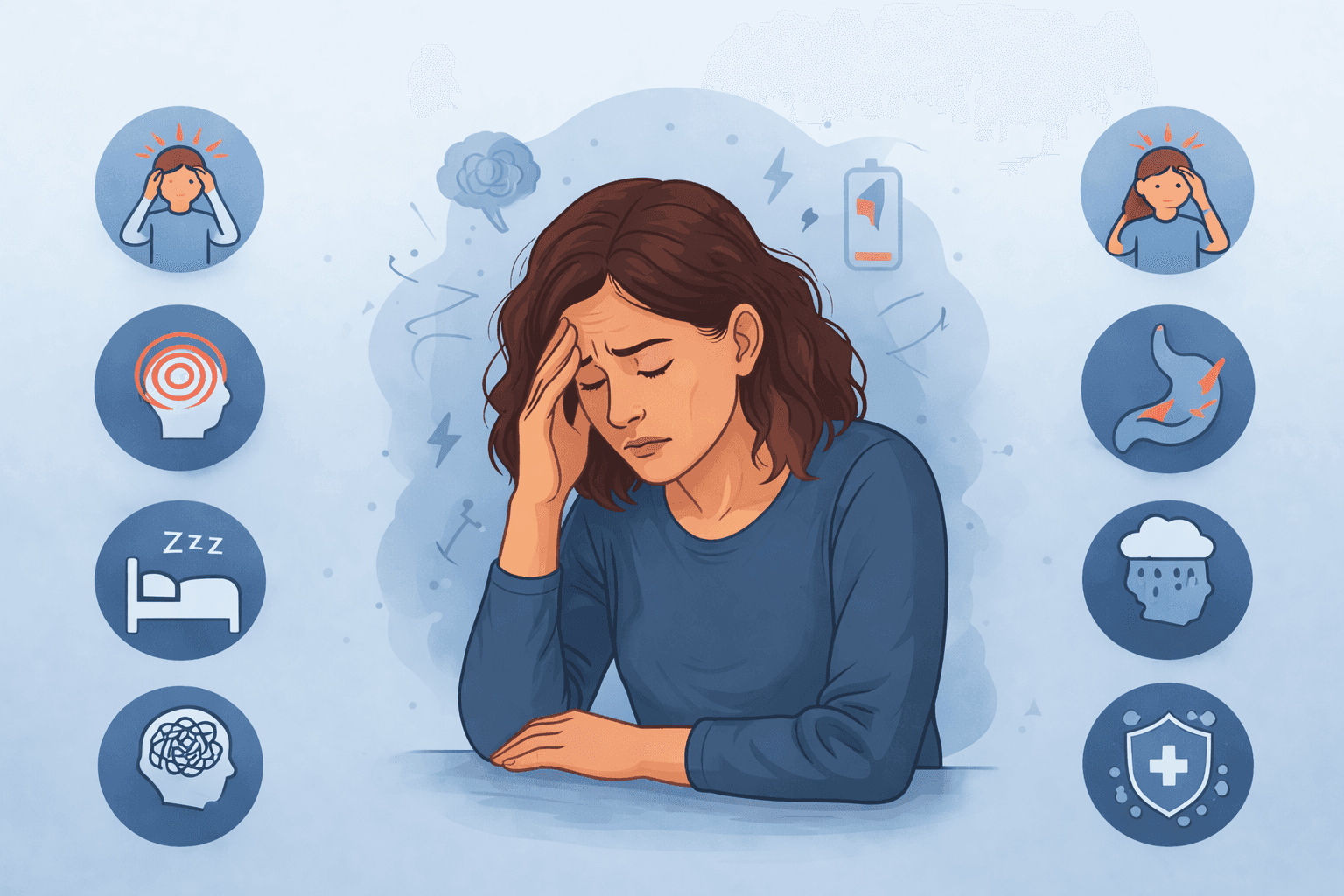
(When to Listen, When to Worry, and When to Just Eat More Vegetables)
Based on Evidence from Leading Medical Journals and Guidelines
Welcome to the Club Nobody Asked to Join
Let's be honest. If your body were a car, most of us would have the check engine light glowing 24 hours a day. Aches, pains, bad sleep, tired all the time, a stomach that seems personally offended by everything you eat... sound familiar? You are not alone.
Research shows that chronic symptoms account for up to 50% of ALL doctor visits. That means roughly half of everyone sitting in a waiting room is there not because something broke all at once, but because something has been quietly and annoyingly wrong for a while.
This guide covers the top 10 most common chronic symptoms that people deal with every day. For each one, you will learn:
When it is okay to shrug and move on
When it is time to call your doctor immediately
What foods and drinks make it better or worse
What vitamins and supplements may help
What medicines doctors use and how they work
Which proven non-drug treatments actually work
Which groups of people need extra attention and monitoring
IMPORTANT: This article is for education only. It is not a substitute for talking to a real doctor. Your body is unique, and so is your health. Always work with a healthcare provider before starting or stopping any treatment.
🔧 SYMPTOM #1: BACK PAIN
What Is It?
Back pain is probably the most common reason people miss work besides the common cold. It can feel like a dull ache, a sharp stab, or a burning feeling anywhere from your neck down to your hips. Chronic back pain means it has lasted for at least 3 months.
When Is It Okay to Leave It Alone?
Mild back pain that came on after moving furniture or sleeping in a weird position often gets better on its own within a few days to a few weeks. If you can still walk around, go to the bathroom normally, and the pain is not spreading down your leg, it is usually safe to take it easy and do some gentle movement.
GOOD NEWS: Most acute back pain (the kind that pops up suddenly) gets better within 4 to 6 weeks without any special treatment. Movement helps more than bed rest!
When to See a Doctor RIGHT AWAY
RED FLAGS: See a doctor immediately if your back pain comes with numbness or tingling in your groin or inner thighs, loss of bladder or bowel control, fever, unexplained weight loss, or if the pain follows a serious accident or fall.
Foods That Help
Anti-inflammatory foods: salmon, sardines, walnuts, and flaxseeds (rich in omega-3 fatty acids)
Colorful fruits and vegetables: blueberries, cherries, spinach, and broccoli
Turmeric and ginger: both have natural anti-inflammatory properties
Staying well hydrated keeps your spinal discs healthy
Foods That Make It Worse
Processed and fast foods high in sugar and unhealthy fats increase inflammation
Too much alcohol can worsen inflammation and disrupt sleep, which slows healing
Excess caffeine can tighten muscles and worsen pain
Supplements That May Help
Vitamin D: Low levels are linked to muscle and bone pain. Talk to your doctor about testing your levels.
Magnesium: Helps muscles relax. Found in nuts, seeds, and dark chocolate.
Omega-3 fatty acids (fish oil): May reduce inflammation over time
Turmeric/curcumin: Some evidence for mild anti-inflammatory effects
Proven Non-Drug Treatments
Here is where the good news really lives. Research is very clear that non-drug treatments work well for chronic back pain and should be tried FIRST before reaching for medications.
Exercise therapy: This is the single most evidence-based treatment. Walking, swimming, yoga, and strengthening exercises all help. No single type is clearly best, so pick one you enjoy.
Cognitive Behavioral Therapy (CBT): This is a type of talking therapy that helps you change how your brain responds to pain. It sounds strange, but it really works. Studies show it gives small to moderate improvements in pain and ability to function.
Physical therapy: A trained physical therapist can teach you specific exercises and movements for your back.
Yoga: Recommended for chronic low back pain with solid research support.
Spinal manipulation (chiropractic care): Shows small benefits for chronic neck and low back pain.
Acupuncture: Small to moderate benefit for low back pain.
Massage: Small improvement for low back pain.
Medication Options
When non-drug treatments are not enough, here is what doctors may recommend:
Topical NSAIDs (like diclofenac gel applied to skin): Applied directly to the painful area 3 to 4 times daily. These work well and have far fewer side effects than pills because very little gets into your bloodstream.
Duloxetine (an antidepressant also used for pain): 30 mg daily to start, then 60 mg daily. It targets pain signals in the brain and spine.
Oral NSAIDs (like ibuprofen or naproxen): These help with short-term pain but are NOT recommended for long-term use due to risks to your stomach, kidneys, and heart.
NOT RECOMMENDED for chronic back pain: Opioid pain medicines (like oxycodone), acetaminophen (Tylenol) alone, and muscle relaxants. These do not show long-term benefit and carry serious risks.
Who Needs Extra Monitoring?
Older adults: Back pain is common but can signal fractures, especially with osteoporosis
People with obesity: Extra weight puts more stress on the spine
Workers with physical jobs or those who sit all day at desks
People with depression or anxiety: Mental health problems make chronic pain worse and harder to treat
Anyone whose pain has lasted more than 12 months: They are less likely to respond to simple treatments and may need a specialized pain team
🤕 SYMPTOM #2: HEADACHE
What Is It?
Headaches are the world's most popular pain. Tension headaches feel like a tight band squeezing your head. Migraines come with throbbing, nausea, and light sensitivity. Chronic headache means you have them more than 15 days per month.
When Is It Okay to Leave It Alone?
The occasional tension headache that goes away with rest, water, or an over-the-counter pain reliever is usually nothing to worry about. If you know your triggers and can manage it at home, carry on.
When to See a Doctor RIGHT AWAY
RED FLAGS: The sudden worst headache of your life (thunderclap headache), headache with fever and stiff neck, headache after a head injury, headache with confusion or vision changes, or headache that keeps getting worse over days. These need emergency care.
Foods That Help
Ginger tea: May reduce migraine frequency and severity
Magnesium-rich foods: Almonds, spinach, avocado. Low magnesium is linked to more migraines.
Riboflavin (vitamin B2) foods: Dairy, eggs, lean meats
Staying hydrated is one of the easiest ways to prevent headaches
Foods That Trigger Headaches
Alcohol, especially red wine and beer
Caffeine: Both too much AND caffeine withdrawal can cause headaches
Aged cheeses, processed meats (nitrates), and MSG
Artificial sweeteners like aspartame
Skipping meals causes blood sugar drops that trigger headaches
Supplements With Evidence
Magnesium (400 to 500 mg daily): One of the most studied supplements for migraine prevention
Riboflavin/Vitamin B2 (400 mg daily): Studies show it reduces migraine frequency
Coenzyme Q10 (300 mg daily): Some evidence for migraine prevention
Melatonin (3 mg at night): May help prevent cluster headaches
Proven Non-Drug Treatments
CBT and biofeedback: Proven to reduce migraine frequency and disability
Regular sleep schedule: Going to bed and waking up at the same time every day is extremely important for headache control
Stress management: Yoga, meditation, deep breathing
Physical therapy: For tension headaches related to neck stiffness
Acupuncture: Evidence supports it for chronic migraine prevention
Medication Options
For migraines: Triptans (like sumatriptan) are very effective when taken early. CGRP inhibitors are newer preventive medicines for people with frequent migraines.
For tension headaches: Amitriptyline at low doses (10 to 75 mg at bedtime) is the most evidence-based preventive medicine. NSAIDs can help short-term.
Warning: Taking pain medicines (even over the counter ones) more than 10 to 15 days per month can CAUSE a type of headache called medication overuse headache. If you feel like you need pain medicine almost every day, talk to your doctor.
Who Needs Extra Monitoring?
Women with migraines who take birth control pills: Increased stroke risk with certain migraine types
Children and teenagers with frequent headaches
People with migraines more than 4 days per month: They should discuss preventive treatment
🦴 SYMPTOM #3: JOINT PAIN (ARTHRALGIA)
What Is It?
Joint pain means pain, aching, or swelling in one or more joints like your knees, hips, hands, shoulders, or ankles. The most common cause is osteoarthritis, where the cushioning cartilage in joints breaks down over time. Rheumatoid arthritis is a different condition where the immune system attacks the joints.
When Is It Okay to Leave It Alone?
Mild, occasional joint achiness after overuse (you suddenly decided to run 5 miles after sitting on the couch for 6 months) often gets better with rest and ice. If the pain is mild and does not limit what you do daily, gentle management at home is reasonable.
When to See a Doctor RIGHT AWAY
RED FLAGS: Sudden severe joint pain with redness and warmth (could be gout or infection), joint pain after an injury, joint pain with fever, joint pain in more than 5 joints that appeared suddenly, or joints that are so painful you cannot put weight on them.
Foods That Help
Omega-3 fatty acids: Fatty fish (salmon, mackerel), walnuts. These reduce joint inflammation.
Olive oil: Contains oleocanthal, which works similarly to anti-inflammatory medicines
Berries and cherries: Rich in antioxidants that fight inflammation
Broccoli: Contains sulforaphane, which may slow cartilage damage
Foods That Make It Worse
Sugar and refined carbohydrates: Drive inflammation
Red meat and processed meats: High in inflammatory saturated fats
Alcohol: Raises uric acid levels, which is bad news if you have gout
High-purine foods (for gout): Shellfish, organ meats, anchovies
Supplements With Evidence
Glucosamine and chondroitin: Mixed evidence, but some people get real relief. Worth a try for osteoarthritis.
Omega-3 fish oil: Good evidence for reducing joint inflammation
Turmeric/curcumin: Some studies show modest benefit for knee osteoarthritis
Vitamin D: Deficiency is linked to worse arthritis symptoms
Proven Non-Drug Treatments
Exercise: The most important treatment. Strengthening muscles around joints takes pressure off them. Low-impact options like swimming and cycling are joint-friendly.
Weight management: Every pound of body weight puts about 4 pounds of pressure on your knees. Losing even 10 pounds can make a big difference.
Physical therapy: Targeted exercises and hands-on treatment
Heat and cold therapy: Ice reduces swelling. Heat relaxes stiff muscles.
Tai chi: Strong evidence for reducing pain and improving balance in osteoarthritis
Yoga: Helpful for knee and hip osteoarthritis
Medication Options
Topical diclofenac gel (applied 3 to 4 times daily): FIRST choice for knee osteoarthritis. Works well with very low risk of side effects.
Duloxetine (30 mg to 60 mg daily): Especially useful for knee osteoarthritis, particularly in older adults
Oral NSAIDs (ibuprofen, naproxen): Effective but use short-term only due to stomach, kidney, and heart risks
Intra-articular corticosteroid injections: Directly into the joint for flares, provides short-term relief
NOT for long-term joint pain: Opioids. They do not work well for this type of pain and carry serious addiction and safety risks.
Who Needs Extra Monitoring?
Older adults (65+): Higher risk of falls, medication side effects, and faster disease progression
People with obesity: Much faster joint breakdown
Athletes and people with previous joint injuries
People with rheumatoid arthritis: Need regular blood tests and specialist monitoring
💪 SYMPTOM #4: MUSCLE PAIN (MYALGIA)
What Is It?
Muscle pain can be a dull ache or intense soreness anywhere in the body. When it is widespread and lasts for months, it may be part of fibromyalgia, which affects millions of people and is far more common in women than men.
When Is It Okay to Leave It Alone?
Muscle soreness after a new workout (called DOMS, or delayed onset muscle soreness) usually peaks at 48 hours and fades within a week. This is normal and a sign your muscles are getting stronger. Rest, gentle movement, and hydration are your friends here.
When to See a Doctor RIGHT AWAY
RED FLAGS: Severe muscle weakness (you cannot lift your arm or leg), muscle pain with dark brown or tea-colored urine (could signal rhabdomyolysis, a serious muscle breakdown), widespread pain lasting more than 3 months, or muscle pain that came on after starting a new medicine, especially statins.
Foods That Help
Protein-rich foods: Chicken, fish, eggs, beans. Protein helps repair muscle tissue.
Tart cherry juice: Research shows it reduces muscle soreness and inflammation
Magnesium-rich foods: Dark chocolate (yes, really), nuts, seeds, spinach
Turmeric and ginger added to meals or smoothies
Foods That Make It Worse
Dehydration: Even mild dehydration increases muscle cramps and pain
Excess sugar and processed foods drive systemic inflammation
Alcohol interferes with muscle repair and worsens pain sensitivity
Supplements With Evidence
Magnesium: Muscle relaxant. Deficiency causes cramps and increased pain.
Coenzyme Q10: May help with muscle pain caused by statin medications
Vitamin D: Deficiency is very common and strongly linked to widespread muscle pain
Melatonin: May help fibromyalgia by improving sleep, which is where muscle repair happens
Proven Non-Drug Treatments
Aerobic exercise: The most evidence-based treatment for fibromyalgia. Start low and go slow.
CBT: Strong evidence for fibromyalgia. Targets how the brain processes pain signals.
Mindfulness-based stress reduction (MBSR): Good evidence for fibromyalgia and widespread muscle pain
Sleep improvement (CBT for insomnia): Poor sleep makes fibromyalgia significantly worse. Treating sleep is treating the pain.
Aquatic (pool) exercise: Especially good for people who find land exercise too painful
Medication Options
Pregabalin (300 to 450 mg daily): Has the strongest evidence for fibromyalgia pain
Duloxetine (60 mg daily): Also well-studied and FDA-approved for fibromyalgia
Milnacipran (100 to 200 mg daily): Another option for fibromyalgia
Gabapentinoids: Effective for nerve-related muscle pain with careful dose titration
NOT recommended for fibromyalgia: Opioids, high-dose NSAIDs, and steroid injections. These have poor evidence and cause more harm than good in fibromyalgia.
Who Needs Extra Monitoring?
Women aged 20 to 50: Fibromyalgia is significantly more common in this group
People with depression or anxiety: These conditions worsen pain and are worsened by pain
People taking cholesterol-lowering statins: Need monitoring for medication-related muscle pain
😴 SYMPTOM #5: FATIGUE (EXHAUSTION)
What Is It?
Fatigue is more than just being tired. It is a deep, persistent exhaustion that does not go away with sleep. Seventy percent of patients with chronic kidney disease and large numbers of people with heart disease, cancer, and many other conditions experience persistent fatigue. When fatigue is the main problem with no clear cause, it may be called chronic fatigue syndrome (CFS) or myalgic encephalomyelitis (ME).
When Is It Okay to Leave It Alone?
Feeling tired after a bad night of sleep, a stressful week, or the end of a big project is normal. A few days of rest, good sleep, and decent food usually fixes it. If your fatigue clears up after you take care of the obvious cause, you are probably fine.
When to See a Doctor RIGHT AWAY
RED FLAGS: Fatigue that has lasted more than 6 months without improvement, fatigue that gets worse after physical or mental activity (this is called post-exertional malaise and is a hallmark of ME/CFS), fatigue with unexplained weight loss, fever, night sweats, or fatigue so severe you cannot do basic daily tasks.
Foods That Help
Complex carbohydrates: Oats, sweet potatoes, quinoa for steady energy throughout the day
Iron-rich foods: Lean beef, spinach, lentils, beans. Low iron is a leading cause of fatigue.
B12-rich foods: Eggs, fish, dairy, fortified cereals. B12 deficiency causes fatigue and brain fog.
Staying hydrated: Even mild dehydration causes fatigue
Small, frequent meals: Prevents blood sugar crashes that cause energy dips
Foods That Make It Worse
High-sugar foods and drinks: Give a quick energy spike followed by a crash
Excess caffeine: Disrupts sleep quality, causing more fatigue the next day
Alcohol: Even one drink disrupts sleep architecture and worsens next-day fatigue
Highly processed foods with little nutritional value
Supplements With Evidence
Iron: Only if you are deficient (test first, do not supplement randomly)
Vitamin B12: Particularly important for older adults, vegans, and vegetarians
Vitamin D: Deficiency is linked to fatigue. Very commonly deficient.
CoQ10: Some evidence for fatigue related to certain medical conditions
Proven Non-Drug Treatments
Cognitive Behavioral Therapy (CBT): Moderate evidence for CFS/ME. Works best when delivered by a trained therapist over 12 to 26 weeks.
Graded exercise therapy: Starting with small amounts of activity and increasing gradually. This must be done VERY carefully in people with ME/CFS, as pushing too hard can cause serious setbacks.
Sleep management (CBT-I): Treating poor sleep often dramatically reduces fatigue
Mindfulness-Based Stress Reduction (MBSR): Proven helpful for cancer-related fatigue
Pacing: Learning to manage your energy and not overdo it on good days is crucial for ME/CFS
IMPORTANT NOTE for ME/CFS: Unlike most chronic conditions, pushing through the fatigue can WORSEN things in ME/CFS. The 'just exercise more' advice that works for general fatigue can be harmful for true ME/CFS. Always work closely with a doctor who specializes in this condition.
Who Needs Extra Monitoring?
People with cancer (during and after treatment): Fatigue is extremely common and needs dedicated management
People with kidney disease: 70% experience severe fatigue
People with thyroid conditions: An underactive thyroid is one of the most common and overlooked causes of fatigue
Older adults: More likely to have multiple causes of fatigue happening at once
Women of reproductive age: Iron deficiency from menstruation is very common
🌙 SYMPTOM #6: SLEEP PROBLEMS (INSOMNIA)
What Is It?
Chronic insomnia means having trouble falling asleep, staying asleep, or waking up too early at least 3 nights per week for at least 3 months, AND feeling bad enough during the day that it affects your life. This is not just being a night owl. This is your brain refusing to cooperate when you desperately need it to.
When Is It Okay to Leave It Alone?
Short-term insomnia (a few rough nights before a stressful event, during illness, or after a time zone change) is normal and usually fixes itself. Good sleep habits can help. No special treatment needed unless it lasts longer than 3 months.
When to See a Doctor RIGHT AWAY
RED FLAGS: Insomnia with loud snoring and gasping (this could be sleep apnea, which is serious), insomnia with vivid hallucinations or acting out your dreams, insomnia causing severe depression or suicidal thoughts, or insomnia that has lasted many months and is ruining your quality of life.
Foods That Help
Tart cherry juice: Contains natural melatonin and has research supporting better sleep
Kiwi: Two kiwis before bed improved sleep in some studies
Chamomile tea: Mild calming effects from an antioxidant called apigenin
Foods rich in magnesium: Dark leafy greens, nuts, seeds
Foods with tryptophan: Turkey, dairy, nuts, seeds. Your body converts tryptophan to serotonin and melatonin.
Foods and Habits That Wreck Sleep
Caffeine within 6 hours of bedtime: Caffeine has a half-life of about 5 to 6 hours
Alcohol: Makes you fall asleep faster but destroys sleep quality in the second half of the night
Heavy or spicy meals within 2 to 3 hours of bed
Excessive screen time (blue light suppresses melatonin)
Supplements With Evidence
Melatonin (prolonged release 2 mg): Recommended for adults 55 and older. Works best for sleep timing problems, not insomnia in general.
Magnesium glycinate: May help with sleep quality and relaxation
L-theanine (found in green tea): May promote relaxation without drowsiness
Proven Non-Drug Treatments
Here is the big one. CBT for Insomnia, called CBT-I, is officially the FIRST-LINE TREATMENT for chronic insomnia for ALL adults, including older adults and people with other health conditions. It works better than sleeping pills in the long run and has no side effects.
CBT-I includes these key components, delivered over 4 to 8 sessions:
Sleep restriction: Temporarily limit time in bed to match actual sleep time, then gradually expand. This sounds brutal, but it is the most powerful part. It builds up real sleep pressure.
Stimulus control: Your bed should only be for sleep and sex. If you cannot sleep, get up. This retrains your brain to associate bed with sleep, not with lying awake worrying.
Cognitive therapy: Changes unhelpful thoughts like 'If I do not get 8 hours I am ruined tomorrow'
Relaxation techniques: Progressive muscle relaxation, guided imagery, abdominal breathing
CBT-I can be delivered in person, through telehealth, via apps, or through self-help books and programs. If you cannot access a sleep therapist, digital CBT-I programs have solid evidence too.
Medication Options (When CBT-I Is Not Enough)
Short-term use only:
Zolpidem (5 to 10 mg) or eszopiclone (1 to 3 mg): Benzodiazepine receptor agonists. Work quickly but not for long-term use.
Better for longer-term use:
Daridorexant (25 to 50 mg): The 50 mg dose shows the best results. Improved sleep onset and sleep maintenance by about 30 minutes each, adding roughly 1 hour of total sleep time.
Lemborexant (5 to 10 mg): Start at 5 mg. Excellent safety profile.
Suvorexant (10 to 20 mg): Start at 10 mg.
Low-dose doxepin (3 to 6 mg at bedtime): Good option especially for older adults who wake up too early
NOT recommended: Antihistamines (like Benadryl), antipsychotics, fast-release melatonin, and regular sleeping pills for long-term use. Benzodiazepines and Z-drugs (like Ambien) are NOT recommended for older adults as they increase fall and fracture risk.
Who Needs Extra Monitoring?
Older adults (65+): Higher risk from sleeping medications. Non-drug treatments are especially important for this group.
People with depression or anxiety: Sleep and mood are deeply connected
People with chronic pain: Pain and sleep are stuck in a vicious cycle. Treating one often helps the other.
Shift workers and those with rotating schedules
🫃 SYMPTOM #7: ABDOMINAL PAIN AND GI PROBLEMS
What Is It?
This category covers the broad universe of belly troubles, including abdominal pain, bloating, constipation, diarrhea, and nausea. When these symptoms are ongoing and no clear structural problem is found (like an ulcer or infection), they are often grouped under the term Disorders of Gut-Brain Interaction, previously known as functional GI disorders. Irritable Bowel Syndrome (IBS) is the most famous member of this club.
When Is It Okay to Leave It Alone?
Occasional bloating after a big meal, constipation during travel or stress, or a few days of upset stomach are very common and usually harmless. If it resolves quickly and you know the cause (hello, bean burrito), you are probably fine.
When to See a Doctor RIGHT AWAY
RED FLAGS: Blood in your stool, black or tarry stools, unexplained weight loss with GI symptoms, severe abdominal pain that comes on suddenly, abdominal pain with fever, vomiting blood, new GI symptoms in someone over 50, or symptoms that wake you up from sleep. These need prompt evaluation.
Foods That Help
For IBS and general gut health: Low-FODMAP diet (temporarily removing certain fermentable carbohydrates) is one of the most evidence-based dietary approaches
Soluble fiber: Oats, bananas, applesauce for constipation-dominant IBS
Peppermint (enteric coated): Research shows peppermint oil capsules (187 to 225 mg, 2 to 3 times daily) reduce abdominal pain in IBS
Probiotic-rich foods: Yogurt with live cultures, kefir, kimchi may help some people
Adequate water: Essential for constipation
Foods That Make It Worse
High-FODMAP foods for IBS sufferers: Garlic, onions, apples, pears, beans, wheat, lactose
Fatty and fried foods: Trigger IBS and delay stomach emptying
Spicy foods: Worsen symptoms in many IBS patients
Carbonated drinks: Worsen bloating
Artificial sweeteners (sorbitol, mannitol): Pull water into the intestines and cause diarrhea
Supplements With Evidence
Peppermint oil (enteric-coated capsules): Good evidence for IBS abdominal pain
Probiotics: Mixed evidence but some strains help specific GI symptoms. Worth trying for 4 to 8 weeks.
Fiber supplements (psyllium): Good for constipation and overall bowel regularity
Magnesium citrate: Works gently for constipation
Proven Non-Drug Treatments
CBT for IBS: Strong evidence. Addresses the gut-brain connection that drives many GI symptoms.
Low-FODMAP diet with a dietitian: One of the best dietary approaches for IBS
Gut-directed hypnotherapy: Surprisingly well-studied for IBS with good results
Mindfulness-based therapy: Helps reduce GI symptom severity
Regular moderate exercise: Helps gut motility and reduces IBS symptoms
Medication Options
For IBS with constipation:
Linaclotide (290 mcg daily): Ranked first for both pain relief and constipation in IBS
Lubiprostone (8 mcg twice daily): Another good option
Plecanatide (3 mg daily) or tenapanor (50 mg twice daily)
For IBS with diarrhea:
Rifaximin (550 mg three times daily for 14 days): An antibiotic that works locally in the gut
Alosetron (0.5 to 1 mg twice daily): For severe cases
Eluxadoline (100 mg twice daily): Very effective but do NOT use if you have had your gallbladder removed
For abdominal pain:
Tricyclic antidepressants at low doses (amitriptyline or nortriptyline, 10 to 50 mg at bedtime): These are used for gut pain, not for depression. They calm down the overactive gut-brain connection.
SNRIs like duloxetine (30 to 60 mg daily): Also useful for gut pain
Who Needs Extra Monitoring?
Anyone over 45 with new GI symptoms: Should have a colonoscopy to rule out colon cancer
People with inflammatory bowel disease (Crohn's or Ulcerative Colitis): Need regular specialist care
People with celiac disease: Need strict gluten-free diet and monitoring
People with IBS and severe anxiety or depression: These conditions dramatically worsen GI symptoms
🧠 SYMPTOM #8: CONCENTRATION DIFFICULTIES AND BRAIN FOG
What Is It?
Brain fog is not a medical diagnosis, but it is very real. It means trouble focusing, forgetfulness, feeling mentally slow or confused, and difficulty finding words. It can be a symptom of many things including poor sleep, depression, anxiety, thyroid problems, long COVID, fibromyalgia, and certain medications.
When Is It Okay to Leave It Alone?
Everyone has days where they cannot remember where they put their keys or cannot focus because they are stressed and sleep-deprived. If your brain fog is clearly tied to a rough stretch of sleep, high stress, or illness and it clears up, you are probably fine.
When to See a Doctor RIGHT AWAY
RED FLAGS: Sudden confusion, sudden severe memory loss, confusion with headache or vision changes, rapid personality changes, or cognitive problems that get progressively worse over weeks to months. These need urgent evaluation.
Foods That Help
Omega-3 fatty acids: Fatty fish, walnuts. Brain health depends on these healthy fats.
Leafy greens: Spinach, kale, and broccoli are rich in vitamin K and antioxidants that protect brain cells
Blueberries and dark berries: Rich in flavonoids that improve memory and learning
Eggs: Excellent source of choline, which is essential for brain function and memory
Adequate hydration: Even mild dehydration causes measurable declines in focus and memory
Foods That Harm Brain Function
High-sugar diets: Cause blood sugar spikes and crashes that impair concentration
Trans fats (fried fast foods, many packaged snacks): Linked to worsened brain function
Alcohol: Even moderate drinking over time shrinks brain volume
Artificial food colorings and additives: Some people, especially children, are sensitive to these
Supplements With Some Evidence
Omega-3 DHA: Essential for brain health. Important if you do not eat fatty fish regularly.
Vitamin D: Deficiency is linked to cognitive problems
B vitamins (especially B12, B6, folate): Essential for brain health and commonly deficient
Magnesium: Important for nerve function and sleep quality
Proven Non-Drug Treatments
Treating the underlying cause: The most important step. Fixing sleep, treating depression, or addressing thyroid disease often resolves brain fog.
Exercise: One of the most powerful brain boosters. Even a single bout of aerobic exercise improves focus and memory within hours.
CBT for depression and anxiety: Treating mood disorders often dramatically improves cognitive function
Sleep treatment (CBT-I): Poor sleep is one of the most common causes of brain fog
Mindfulness meditation: Regular practice improves attention and cognitive flexibility
Who Needs Extra Monitoring?
Older adults: Cognitive decline needs to be distinguished from treatable causes of brain fog
People with long COVID: Brain fog is a major symptom that requires specialized care
People with thyroid conditions, diabetes, or autoimmune diseases
People taking many medications: Drug interactions are a common and overlooked cause of brain fog in older adults
💭 SYMPTOM #9: DEPRESSION AND ANXIETY
What Is It?
Depression is more than sadness. It is a persistent low mood, loss of interest in things you used to enjoy, hopelessness, low energy, and changes in sleep and appetite. Anxiety is more than worry. It is excessive, hard-to-control fear and nervousness that interferes with daily life. Both are classified as neuropsychiatric symptoms and are among the top 10 most common chronic complaints.
When Is It Okay to Leave It Alone?
Mild sadness after a difficult life event (grief, disappointment, setbacks) is a normal human experience. If it passes within a few weeks and does not stop you from functioning, this is not clinical depression. Occasional anxiety before important events is also normal.
When to See a Doctor RIGHT AWAY
RED FLAGS: Any thoughts of suicide or self-harm require immediate help. Call or text 988 (Suicide and Crisis Lifeline) or go to your nearest emergency room. Also seek urgent care for severe depression that prevents you from eating, sleeping, or taking care of yourself, or anxiety so severe you are having panic attacks that feel like a heart attack.
Foods That Help
Mediterranean diet: The best-researched diet for mental health. Rich in olive oil, fish, legumes, vegetables, fruits, and whole grains.
Omega-3 fatty acids: Fatty fish 2 to 3 times per week. Some studies show reduced depression.
Fermented foods: Yogurt, kefir, kimchi. The gut-brain connection is real, and gut health affects mood.
Dark chocolate (70%+ cocoa): Contains compounds that boost serotonin and reduce cortisol
Foods That Harm Mental Health
Ultra-processed foods: Strongly linked to higher rates of depression
High-sugar diets: Contribute to inflammation and blood sugar swings that worsen mood
Alcohol: It is a depressant. While it may seem to calm anxiety in the short term, it worsens both depression and anxiety overall.
Supplements With Evidence
Omega-3 fatty acids: Some evidence for depression. EPA appears to be the key component.
Vitamin D: Deficiency linked to depression, especially in winter months
Magnesium: Low levels linked to anxiety and depression
St. John's Wort: Better than placebo for mild to moderate depression. Must NOT be combined with antidepressants or many other medicines. Discuss with your doctor.
Proven Non-Drug Treatments
A major network analysis of 331 clinical trials found six types of psychotherapy work equally well for depression, with response rates of about 50% (compared to 25% without treatment):
Behavioral activation: Scheduling and increasing rewarding activities. Simple and highly effective.
Cognitive Behavioral Therapy (CBT): The gold standard. Changes unhelpful thinking patterns and behaviors.
Interpersonal therapy: Focuses on improving relationships and communication
Problem-solving therapy: Structured approach to tackling the problems driving depression
Short-term psychodynamic therapy: Explores unconscious patterns and relationship dynamics
Mindfulness-based cognitive therapy: Prevents relapse in recurrent depression
Additional evidence-based treatments:
Exercise: Adding exercise to medication or therapy is moderately more effective than either alone. Aerobic exercise is most studied.
Light therapy: Works for seasonal AND non-seasonal depression
Acupuncture: Modestly more effective than antidepressant treatment alone when added on
Who Needs Extra Monitoring?
Teenagers and young adults: Depression and anxiety peak in young adulthood. Suicide risk is highest in this age group.
Older adults: Depression is often missed in this group and mistaken for 'normal aging'
People with chronic physical illnesses: Depression is 2 to 3 times more common in people with diabetes, heart disease, and chronic pain
Postpartum women: Up to 1 in 5 new mothers experience postpartum depression
Anyone who has previously attempted suicide: Needs intensive ongoing monitoring
❤️ SYMPTOM #10: CHEST PAIN, BREATHLESSNESS, AND PALPITATIONS
What Is It?
These three symptoms are grouped together because they often travel as a pack and can signal either minor problems or serious heart and lung conditions. Palpitations are the sensation of a fast, fluttering, or pounding heartbeat. Breathlessness means feeling out of breath during activities that would not normally cause it. Chest pain speaks for itself.
IMPORTANT: These symptoms require the most caution of any on this list. While they are often caused by anxiety, acid reflux, or deconditioning, they can also signal serious heart or lung problems. When in doubt, get checked out.
When Is It Okay to Leave It Alone?
Mild palpitations after caffeine, exercise, or stress that pass quickly are usually harmless. Occasional breathlessness after exertion in someone who has been sedentary is often just deconditioning. Chest pain that is clearly related to acid reflux (worse after eating, improves with antacids) can be managed at home.
When to See a Doctor RIGHT AWAY
EMERGENCY RED FLAGS: Chest pain with shortness of breath, sweating, jaw pain, or left arm pain could be a heart attack. Call 911 immediately. Also seek emergency care for sudden severe breathlessness, palpitations with fainting or near-fainting, chest pain with fever and cough, or any new unexplained chest symptoms in someone with a history of heart disease.
Foods That Help
Heart-healthy diet: Mediterranean or DASH diet approach. Rich in fruits, vegetables, whole grains, lean protein, and healthy fats.
Potassium-rich foods: Bananas, avocados, sweet potatoes help regulate heart rhythm
Magnesium-rich foods: Help prevent irregular heartbeats and palpitations
Omega-3 fatty acids: Support heart health and reduce harmful triglycerides
Foods That Make It Worse
Caffeine: Can trigger palpitations in sensitive people
Alcohol: A common trigger for palpitations and irregular heartbeats
High sodium foods: Worsen blood pressure and heart workload
Heavily spiced foods and carbonated drinks: Worsen acid reflux-related chest pain
Supplements With Some Evidence
Magnesium: Deficiency is linked to heart palpitations and irregular rhythm
Omega-3 fatty acids: Support heart health
Coenzyme Q10: May support heart muscle function in some conditions
Proven Non-Drug Treatments
CBT for anxiety-related chest pain and palpitations: Very effective when anxiety is driving the symptoms
Breathing exercises and diaphragmatic breathing: Reduces anxiety-related palpitations and breathlessness
Vagal maneuvers: For certain types of harmless rapid heartbeat, bearing down or splashing cold water on the face can reset the rhythm. Ask your doctor if this applies to you.
Exercise rehabilitation: For breathlessness due to deconditioning or heart disease. Supervised cardiac rehab is highly effective.
Acid reduction strategies for chest pain from reflux: Elevate the head of your bed, avoid eating within 3 hours of bedtime, avoid trigger foods
Who Needs Extra Monitoring?
Anyone with a history of heart disease or arrhythmia: Any new chest symptoms need prompt evaluation
People with diabetes: Heart disease often presents without typical chest pain in this group
Women: Heart attack symptoms in women are often more subtle and atypical
People with sleep apnea: High risk for heart rhythm problems
People with anxiety disorders: Need help distinguishing anxiety symptoms from real cardiac problems
Special Populations That Need Constant Monitoring and Intervention
Some groups of people face chronic symptoms with extra force and extra risk. These groups need more frequent check-ins with healthcare providers and often need more intensive treatment approaches.
Older Adults (65 and Above)
The golden years, where everything is a little more complicated. Older adults commonly deal with multiple chronic symptoms at the same time, take many medications that can interact, and are at higher risk of side effects from most treatments.
The Beers Criteria lists medicines that are risky for older adults. This includes many pain medicines, sleep aids, and antidepressants.
NSAIDs should be avoided or used very carefully due to kidney, stomach, and heart risks
Benzodiazepines and sleeping pills increase fall and fracture risk
Non-drug treatments (CBT-I, exercise, physical therapy) are especially important for this group
Regular screening for depression is recommended because it is often missed
Gabapentinoids (gabapentin and pregabalin) need dose reduction for kidney function decline, which is common in older adults
People with Multiple Chronic Conditions
Managing 5 symptoms in a person who also has diabetes, heart disease, and kidney disease is like solving a puzzle where half the pieces are on fire. Drug interactions, overlapping side effects, and competing treatment priorities make this group especially challenging.
Need a coordinated care team (primary care doctor, specialists, pharmacist)
Regular medication reviews to look for interactions and unnecessary medicines
Non-drug treatments are valuable because they carry fewer drug-related risks
Pain management in kidney disease: Avoid NSAIDs. Prefer topical treatments, acetaminophen, and SNRIs. If opioids are truly needed, buprenorphine appears safest.
People with Mental Health Conditions
Depression, anxiety, and chronic physical symptoms have a very complicated relationship. Having one dramatically increases the chance of having the others, and they make each other worse.
People with depression and chronic pain need both to be treated. Treating just one while ignoring the other rarely works well.
Duloxetine is a nice option here because it treats both pain and depression
CBT can address both mood and pain at the same time
This group needs regular monitoring for medication side effects and suicide risk
People with Low Income or Limited Access to Care
Not everyone can afford multiple doctor visits, specialists, or fancy medications. The good news is that many of the most effective treatments are free or low cost.
Walking is free and one of the best exercises for nearly every chronic symptom
Group exercise classes and community recreation centers are low cost
Digital CBT-I and CBT for pain programs are widely available and effective
Self-help books on CBT and sleep are evidence-based and inexpensive
One study found a stepped approach where most people only needed internet-based treatment, with in-person care reserved for those who did not respond
People with Obesity
Obesity dramatically worsens almost every chronic symptom on this list. It increases joint pain, makes sleep apnea more likely, drives inflammation, worsens back pain, complicates medication dosing, and contributes to fatigue.
Even modest weight loss (5 to 10% of body weight) significantly improves pain, sleep, mood, and energy
Low-impact exercise like swimming, cycling, and walking are most appropriate
Dietary changes that reduce inflammation are especially beneficial
When NOT to Use Certain Treatments: Contraindications Made Simple
The word contraindication just means 'do not use this in this situation.' Here is a plain-language guide to the big ones.
NSAIDs (Ibuprofen, Naproxen, Diclofenac Pills)
Avoid if you have: Kidney disease, history of stomach ulcers or GI bleeding, heart failure, or are taking blood thinners
Use with caution if: You are over 65, take aspirin daily, or have high blood pressure
Better alternatives: Topical diclofenac gel, acetaminophen for mild pain, duloxetine for chronic pain
Gabapentin and Pregabalin
Use with caution in kidney disease: Dose must be reduced based on kidney function (eGFR)
Avoid combining with opioids or other sedating medicines: Risk of dangerous breathing problems
Use with caution in older adults: Higher fall risk and risk of encephalopathy (brain confusion)
Tricyclic Antidepressants (Amitriptyline, Nortriptyline)
Avoid in: Narrow-angle glaucoma, enlarged prostate, recent heart attack, serious heart rhythm problems
Use with caution in: Older adults (high risk of falls, confusion, urinary retention), people with orthostatic hypotension (blood pressure drop when standing)
Get an ECG (heart tracing) before starting if you have any heart concerns
Benzodiazepines and Z-Drugs (Ambien, Lunesta) for Sleep
Avoid in: Older adults (Beers Criteria), people with sleep apnea, people with addiction history
Never use long-term: Tolerance develops quickly. CBT-I is the long-term answer.
Graded Exercise Therapy for Fatigue
Contraindicated or must be modified in: People with ME/CFS who experience post-exertional malaise. Pushing through can cause serious worsening. Must be done under careful specialist supervision with very gradual increases.
Eluxadoline for IBS with Diarrhea
Strictly contraindicated in: Anyone who has had their gallbladder removed. It can cause pancreatitis in these patients.
Also avoid in: People with liver disease or alcoholism
St. John's Wort for Depression
Do NOT combine with: Antidepressants (risk of serotonin syndrome), birth control pills (reduces effectiveness), blood thinners, HIV medications, cyclosporine, and many other medicines
Despite being natural, this supplement has serious interactions and should always be discussed with a doctor
Quick Reference: At a Glance
Symptom | Best Non-Drug Treatment | Top Medicine Option | Key Food/Supplement |
|---|---|---|---|
Back Pain | Exercise + CBT | Topical diclofenac gel | Omega-3s, vitamin D |
Headache | Sleep + stress management | Amitriptyline (preventive) | Magnesium, riboflavin |
Joint Pain | Exercise + weight loss | Topical diclofenac gel | Omega-3s, turmeric |
Muscle Pain | Aerobic exercise + CBT | Pregabalin or duloxetine | Magnesium, vitamin D |
Fatigue | CBT + graded exercise | Treat underlying cause | Iron, B12, vitamin D |
Insomnia | CBT-I (first line) | Daridorexant 50 mg | Magnesium, tart cherry |
GI Pain/IBS | Low-FODMAP + CBT | Linaclotide (IBS-C) | Peppermint oil capsules |
Brain Fog | Treat sleep + exercise | Treat underlying cause | Omega-3s, B vitamins |
Depression/Anxiety | CBT + exercise | Duloxetine or SSRIs | Omega-3s, vitamin D |
Chest/Breathlessness | CBT + breathing exercises | Depends on cause | Magnesium, omega-3s |
Final Thoughts: Your Body Is Trying to Tell You Something
If you made it all the way through this guide, congratulations. You now know more about managing chronic symptoms than most people, and possibly more than some of the people at your family holiday gatherings who are always giving you health advice.
Here are the big takeaways to carry with you:
Non-drug treatments come FIRST. Exercise, CBT, good sleep, and a healthy diet are not second-rate options. They are the most evidence-based treatments available for most chronic symptoms and have the fewest risks.
When you do need medicine, start low and go slow. Most medicines for chronic symptoms work best at their lowest effective dose.
No single symptom lives in a vacuum. Chronic pain worsens sleep. Poor sleep worsens depression. Depression amplifies pain. Treating one often helps the others.
Your relationship with your healthcare provider matters. Patients who feel heard and who set goals together with their doctors do better in treatment. If your doctor brushes off your symptoms, it is okay to seek a second opinion.
Patience is required. Chronic symptoms took time to develop and they take time to improve. Most treatments take 4 to 12 weeks before you know if they are working.
Track your symptoms. A simple daily log of pain levels, sleep, mood, and energy helps you and your doctor see patterns and measure progress.
Remember: The goal of treatment for chronic symptoms is not always to eliminate them completely. It is to reduce their impact on your life so you can do the things you love. Improved function and quality of life are success, even if some symptoms remain.
Your body has been with you your whole life. It deserves your attention, your care, and occasionally, your patience when it starts making strange noises that it did not make before. Be kind to it. Feed it well. Move it regularly. Rest it properly. And when it keeps complaining despite all that, bring in a professional.
You have got this.
This article is based on evidence from Lancet, JAMA, New England Journal of Medicine, American Family Physician, Cochrane Reviews, and guidelines from the CDC, American Psychological Association, American Geriatrics Society, and multiple other major medical organizations.
Always consult a qualified healthcare provider before starting, changing, or stopping any treatment.
HSA/FSA Eligible
Doctors Are Human.
That's Why There's Medome.
Start your free trial today. No credit card required.
Start Your Free Trial
Join thousands protecting their health with AI that never forgets
Critical details get missed when your health information is scattered. Medome connects the dots across your complete record.
Start Your Free Trial
Quick Links
Medome Men
Home
Pricing
About
Health News
HealthSigns
FAQ
Contact Us
Terms of Service
Privacy Policy
Get In Touch
Email: service@medome.ai
Phone: (617) 319-6434
This is Dr. Steven Charlap’s cell. Please text him first, explaining who you are and how he can help you. Use WhatsApp outside the US.
Hours: Mon-Fri 9:00AM - 9:00PM ET