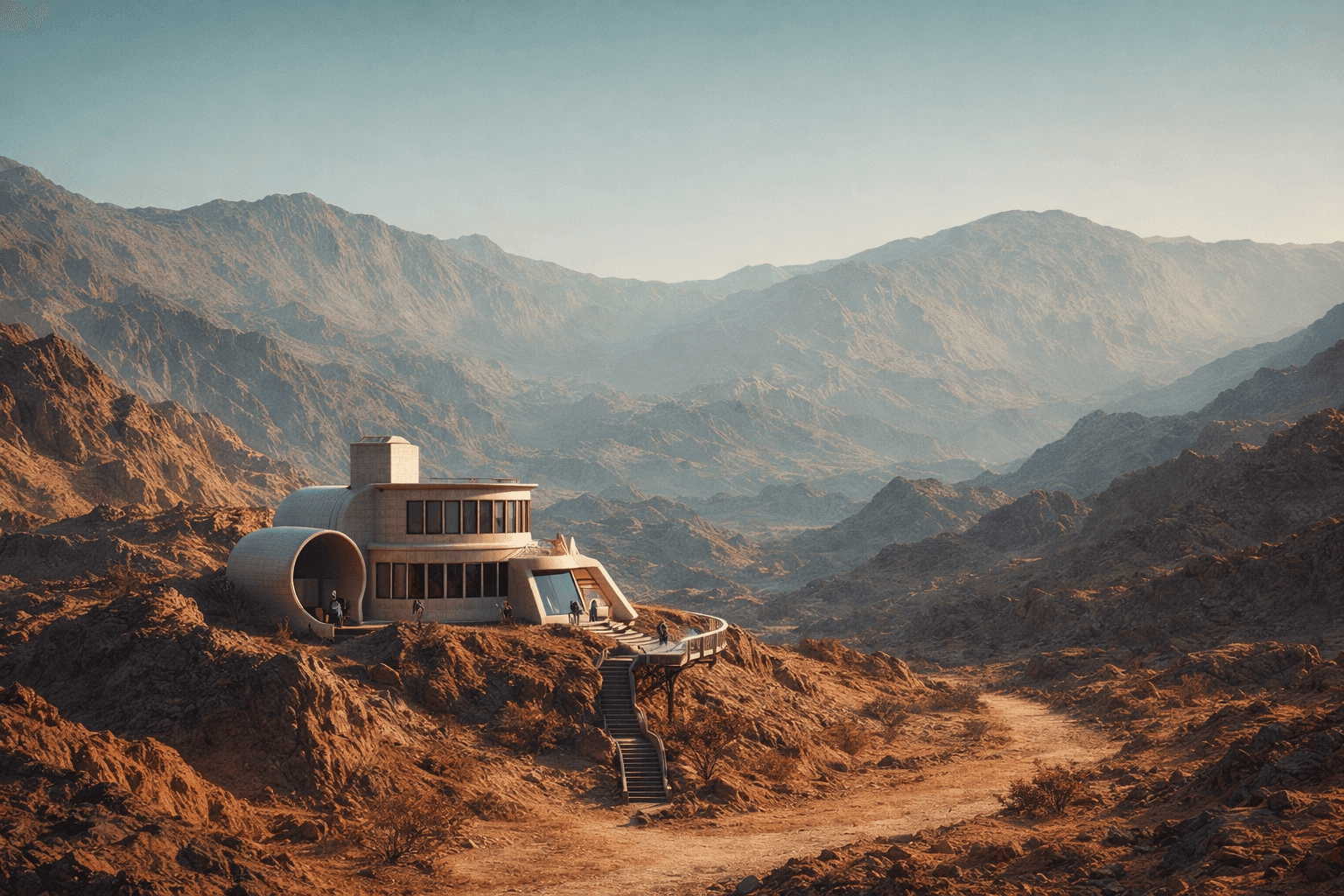
You wake up on a deserted island. Or inside a landlocked cabin miles from anyone. Or on Mars, where the nearest grocery store is… technically Earth.
Your first thought is heroic: I will survive.
Your second thought is realistic: What am I eating?
Because “survival food” isn’t just about calories. It’s about not slowly turning into a weak, confused person with brittle bones and the emotional stability of a wet noodle.
Let’s build the simplest, least glamorous truth: you need a small set of foods that covers four jobs:
Energy (calories) so your body doesn’t start eating itself
Protein so your muscles, immune system, and organs can keep doing their jobs
Fats so your brain and hormones don’t file a formal complaint
Micronutrients (vitamins/minerals) so you don’t get classic deficiency diseases that sound like pirate problems (scurvy, anyone?)
The survival myth: “Just eat plants” or “just eat meat”
Both are missing the point.
Plants are great for fiber, vitamin C, potassium, folate, and thousands of helpful compounds. But a plant-only survival setup usually fails on vitamin B12 and can be weak on protein and fats unless you include specific staples.
Animal foods are great for B12, complete protein, and fats. But “meat-only” survival can struggle with vitamin C, fiber, and long-term gut happiness (yes, your gut has emotions).
So the smartest survival plan is boring in the best way: a base fuel + a protein anchor + a fat source + a “vitamin squad.”
By the way, plant protein has no B12.
Scenario 1: The deserted island
On a real island, the dream is: fish + starchy plant + greens/fruit.
What you’re aiming for
Fuel: something starchy (tubers, plantains, coconuts in moderation, whatever you can reliably get)
Protein: fish, small animals or big ones, eggs (if you’re extremely lucky), or anything you can harvest consistently
Fats: fatty fish and/or coconut (again: moderation — your arteries do not want to live the “only coconut” lifestyle)
Micronutrients: leafy greens and any fruit you can find (especially for vitamin C)
Sun: you got that unless it’s Siberia (vitamin D)
The “minimum” survival plate (conceptually)
A big portion of starchy calories daily
A steady portion of protein daily
Some fat daily
At least one reliable vitamin C source daily (fruit/greens)
The funny part
If you’re thinking, “I’ll just eat coconuts,” congratulations: you’ve invented the Coconut-Only Crash Diet, also known as The Fastest Way To Hate Coconuts.
Scenario 2: Mars
Mars is the same survival math, but with one extra villain: no casual sunlight lifestyle and no “I’ll just go catch dinner.”
Your food has to be:
Shelf-stable
Repeatable
Nutritionally complete
Not psychologically devastating by week three
What you need on Mars
1) A calorie base
Think: rice, oats, flour, pasta, potatoes (fresh if you can grow them), or dehydrated starches. Without a base, you’re just nibbling vitamins while slowly becoming tired and cold.
2) A protein anchor
Options: canned fish, dried legumes, shelf-stable eggs (powdered), or shelf-stable meat/dairy proteins. Protein is not optional if you want your muscles and immune system to keep showing up.
3) An essential fat source
Oils are the secret survival MVP. Fat is dense energy and helps you absorb fat-soluble vitamins. It also makes “plain survival food” taste like something you’d feed a human.
4) Micronutrient coverage
You need enough:
Vitamin C (to avoid scurvy)
B12 (for nerves and blood)
Iodine (thyroid)
Vitamin D (the Mars problem)
Plus the usual suspects (calcium, iron, zinc, etc.)
In practice, Mars almost always means either:
Fortified foods, or
Supplements, or
Both
The funny part
On Mars, “fresh produce” becomes a luxury item. A single orange would be treated like a diamond. You wouldn’t eat it. You’d introduce it at parties.
Scenario 3: The landlocked cabin
This is the most relatable apocalypse fantasy because it’s basically “weekend getaway” plus mild panic.
Your biggest enemies here are:
running out of fuel foods,
getting protein-poor,
and missing key vitamins over time.
The smartest cabin strategy
You want foods that store well and combine easily:
Calorie base (pick 1–2):
rice, oats, pasta, potatoes, flour
Protein anchor (pick 1–2):
beans/lentils, canned fish/meat, powdered eggs, shelf-stable tofu, dried jerky (watch sodium)
Fat source (pick 1):
cooking oil, nut butter, nuts/seeds
Micronutrient squad (pick 2–3):
frozen or canned vegetables (watch sodium), dried fruit, canned tomatoes, dehydrated greens, plus something vitamin C–reliable
Vitamin D source
sun?
If you can keep even a tiny rotation, you avoid the “I only ate beige food for three months and now I feel like a ghost” effect.
The funny part
A landlocked cabin makes everyone think they’re a rugged survivalist. Until day four, when you realize you packed twelve cans of beans and zero can openers. At that point you’re not surviving. You’re negotiating with metal.
The survival shopping list that actually makes sense
If you want the simplest “covers the bases” setup across all three scenarios, it looks like this:
Starchy calorie base (rice/oats/potatoes)
Protein anchor (fish/beans/eggs)
Fat source (oil or nuts/seeds)
Vitamin C source (fruit/veg that you can reliably store or grow)
B12 plan (animal food, fortified food, or supplement)
Iodine plan (often iodized salt)
Vitamin D plan (sunlight if available; otherwise fortified food or supplement)
That’s not glamorous. But it’s how you avoid deficiency diseases and keep your body running like it’s supposed to.
Important safety note
In normal life, intentionally eating an ultra-minimal diet is a great way to cause problems, especially if you have medical conditions, take certain medications, are pregnant, have kidney issues, diabetes, gout, or nutrition absorption problems. Real nutrition is personal, and “minimum viable human” is not a wellness trend.
So here’s the only responsible ending:
Please don’t attempt a survival-style minimal diet unless you truly are isolated in a remote cabin, stranded far from help, or living off-world on Mars. As some would say, “Don’t leave home without food. The right kind.”
HSA/FSA Eligible
Doctors Are Human.
That's Why There's Medome.
Start your free trial today. No credit card required.
Start Your Free Trial
Join thousands protecting their health with AI that never forgets

Critical details get missed when your health information is scattered. Medome connects the dots across your complete record.
Start Your Free Trial
Get In Touch
Email: service@medome.ai
Phone: (617) 319-6434
This is Dr. Steven Charlap's cell. Please text him first, explaining who you are and how he can help you. Use WhatsApp outside the US.
Hours: Mon-Fri 9:00AM - 9:00PM ET