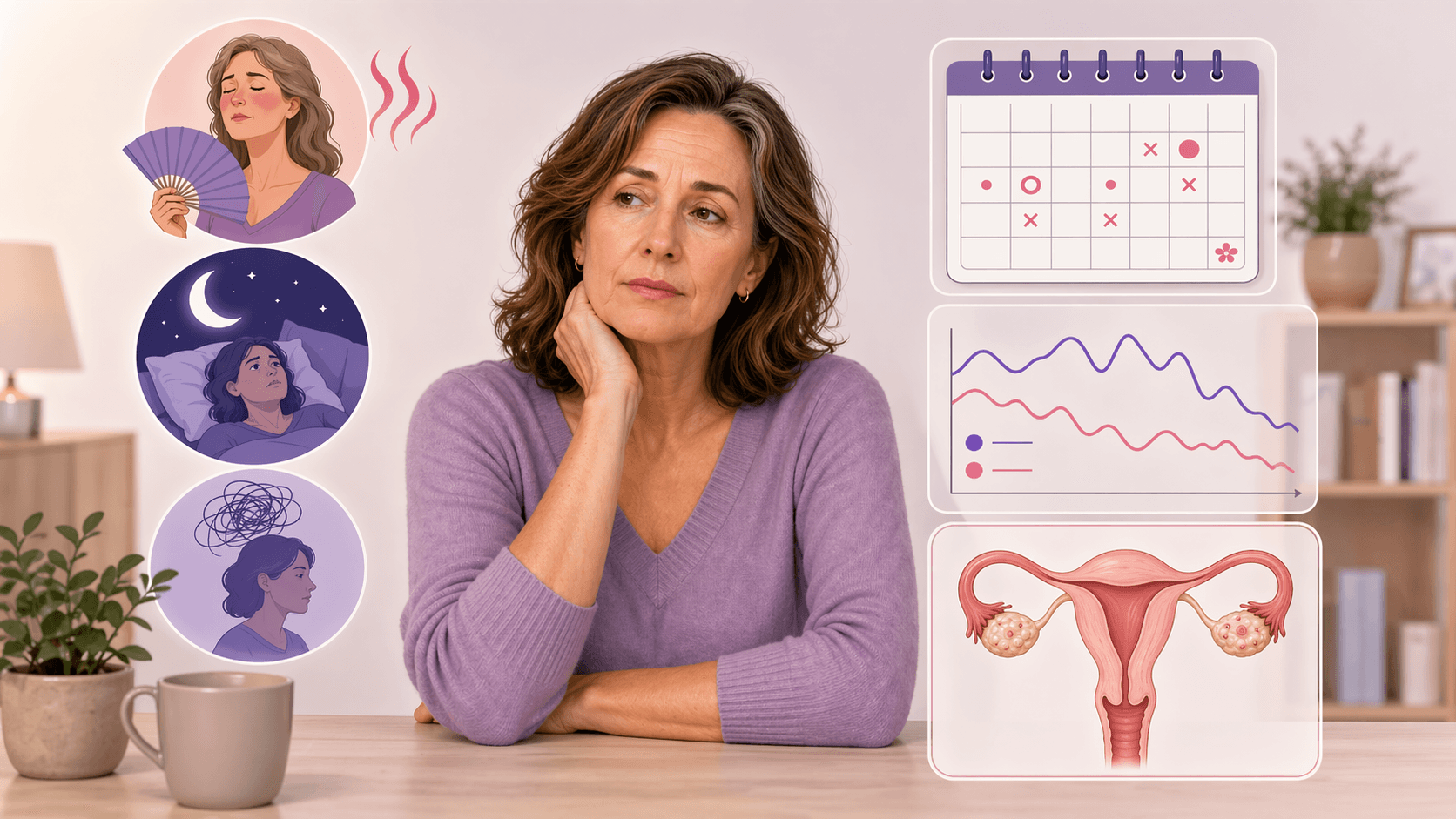
Everything you actually need to know about the transition nobody prepares you for
Based on guidelines from ACOG, NAMS, AHA, and peer reviewed literature through 2026.
Introduction: The Transition Nobody Warned You About
You have probably heard the word menopause. You may have heard it from your mother, your doctor, or from approximately seventeen different wellness brands trying to sell you something. But here is what most women do not realize until they are already in it: menopause is just one day. The 12 month anniversary of your last period. What comes before it, the years of hormonal chaos, night sweats, surprise emotions, and mysteriously misplaced objects, that is called perimenopause. And it can last anywhere from 4 to 10 years or more.
This guide is your honest, practical, medically accurate companion to the entire journey. It covers what is happening in your body, what is normal versus what needs attention, which treatments actually work (and which just sound good), what to eat and avoid, which populations need extra monitoring, and which chronic conditions get complicated during this time.
It is written so a seventh grader can follow along, because your body is complicated enough without adding jargon on top. And it is lighthearted, because frankly this stage of life deserves a bit of humor to get through it.
📊 By the Numbers: Average age perimenopause begins: 45 to 47 years. Average age of final menstrual period (menopause): 51.4 years. Duration of the perimenopausal transition: 4 to 8 years, though some women experience symptoms for over a decade. More than 50 percent of women experience frequent hot flashes, and these last more than 7 years in about half of all women. You are definitely not alone in this.
Section 1: What Is Perimenopause, Exactly?
Think of perimenopause as the coming attractions before the main feature. Your ovaries are gradually winding down their hormone production, like a factory slowly reducing its output before closing for good. The word perimenopause literally means around menopause. It includes the menopausal transition (when cycles become irregular) and continues until 12 months have passed since your final period.
Then comes menopause itself, which is technically just one day: the 12 month anniversary of your last period. Everything after that is called postmenopause. Most of the hot flashes, sleep disruptions, and mood changes that people call menopause symptoms are actually perimenopause symptoms.
When Does It Start?
Stage | Typical Age | What Is Happening |
|---|---|---|
Early menopausal transition | Around 45 to 47 (average onset) | Cycles become variable; at least 7 days difference between consecutive cycles; some skipped periods; hormone levels beginning to fluctuate |
Late menopausal transition | Late 40s to early 50s | Gaps of 60 days or more without a period; symptoms often intensify; estrogen fluctuations more dramatic |
Menopause | Average age 51.4 (normal range 45 to 56) | Final menstrual period confirmed after 12 consecutive months without bleeding |
Early menopause (before age 45) | Before 45 | Can be genetic, autoimmune, surgical, or related to cancer treatment; requires specific management |
Premature ovarian insufficiency (POI) | Before age 40 | Ovaries stop functioning normally before age 40; affects about 1 percent of women; requires hormone therapy until average age of natural menopause |
⚠️ HEADS UP: Smoking causes women to reach menopause 1 to 2 years earlier than non smokers. If you smoke, this is one more compelling reason to quit. Neighborhood vulnerability, lower socioeconomic status, and certain genetic factors also contribute to earlier menopause onset.
What Is Actually Happening in Your Body
During your reproductive years, your ovaries produced estrogen and progesterone in a predictable monthly rhythm. During perimenopause, this rhythm goes spectacularly haywire. Here is what is driving all of it:
You were born with about 1 to 2 million eggs. By the time perimenopause begins, you are down to a few thousand. The remaining eggs do not respond as reliably to hormonal signals.
Your brain tries to compensate by sending louder and louder signals in the form of higher FSH (follicle stimulating hormone) levels.
Estrogen levels swing wildly: sometimes surging higher than normal (which can make symptoms feel very familiar to PMS), sometimes dropping sharply.
Progesterone production becomes increasingly erratic, which destabilizes the cycle and contributes to heavy or unpredictable bleeding.
The result is a body that has gone from a smooth hormonal rhythm to something resembling a new driver in heavy traffic: a lot of sudden stops, unexpected acceleration, and occasional honking.
🧠 Why Symptoms Happen: Estrogen is not just a reproductive hormone. It influences the brain, heart, bones, skin, bladder, vagina, and blood vessels. When estrogen fluctuates unpredictably, nearly every organ system feels it. The hypothalamus (your body's internal thermostat) becomes hypersensitive to small temperature changes, which explains hot flashes. Sleep architecture changes as progesterone declines. Mood shifts as estrogen modulates serotonin and other neurotransmitters. Perimenopause touches almost everything.
Section 2: The Symptoms — What Is Normal and What Needs Attention
Perimenopause produces a remarkably wide range of symptoms. Some are so well known they appear in TV comedies. Others are quietly miserable and rarely discussed. Here is the honest, complete picture of what to expect.
Hot Flashes and Night Sweats: The Most Famous Symptoms
Hot flashes affect 50 to 80 percent of women during the menopausal transition. They are caused by the hypothalamus (the brain region that controls body temperature) becoming hypersensitive to tiny changes in core temperature due to falling estrogen. The result is a sudden, unnecessary cooling response.
What a hot flash actually feels like:
A sudden wave of intense heat, usually starting in the chest and rising to the face and neck
Skin flushing, redness, and sweating (sometimes drenching)
Rapid heartbeat
Followed by chills as the body overcorrects
Duration: typically 30 seconds to 5 minutes
Frequency: ranging from a few per week to dozens per day
🔬 THE SCIENCE: More than 50 percent of women experience frequent vasomotor symptoms (hot flashes or night sweats occurring 6 or more days in any 2 week period). About half of women will have these symptoms for more than 7 years. A significant number have them for a decade or more. Night sweats are hot flashes that occur during sleep and can drench sheets and pajamas, seriously disrupting sleep quality and duration.
Trigger | Why It Makes Hot Flashes Worse | Strategy |
|---|---|---|
Stress and anxiety | Activates the fight or flight response which triggers the hypothalamic instability underlying hot flashes | Stress management: mindfulness, CBT, regular exercise, adequate sleep |
Alcohol | Causes vasodilation (widening of blood vessels) and disrupts the hypothalamic thermostat | Reduce or eliminate alcohol, particularly in the evening |
Spicy foods | Trigger heat receptors and activate thermoregulatory response | Identify personal triggers; not universal but common |
Caffeine | Can worsen both hot flash frequency and anxiety | Limit especially in the afternoon and evening |
Hot environments and tight clothing | Add to core temperature burden, pushing past the narrowed thermoneutral zone | Cool environment; lightweight breathable clothing; layers |
Smoking | Associated with 1.6 to 2 fold higher risk of frequent hot flashes; 40 pack years doubles risk | Smoking cessation is one of the most impactful steps |
Menstrual Changes: The Guaranteed Part
Your periods will change. That is not a possibility — it is a certainty. The question is just how, and for how long.
✅ NORMAL AND EXPECTED: Completely normal menstrual changes during perimenopause include: cycles becoming shorter (21 to 25 days) or longer (35 days or more); skipping periods entirely for a month or two; heavier or lighter than usual flow; more or fewer days of bleeding; some spotting between periods as estrogen fluctuates. All of these are expected features of the menopausal transition.
🚨 RED FLAG — SEE YOUR DOCTOR: See your doctor promptly for these abnormal bleeding patterns: soaking through a pad or tampon every hour for two or more hours; periods lasting longer than 7 days; bleeding between periods that is more than light spotting; bleeding after sex; any bleeding after you have gone 12 months without a period. Women 45 and older with abnormal bleeding should have an endometrial evaluation to rule out endometrial cancer and other structural causes.
Sleep Problems: The Exhausting Middle of the Night
Poor sleep is one of the most disruptive and underappreciated perimenopausal symptoms. It affects quality of life, cognitive function, mood, cardiovascular health, and metabolic health simultaneously.
Difficulty falling asleep even when exhausted
Waking frequently during the night, sometimes drenched from night sweats
Waking too early and being unable to fall back asleep
Feeling completely unrefreshed even after 7 to 8 hours in bed
The vicious cycle: poor sleep worsens hot flashes and mood changes, which in turn make sleep harder. Poor sleep is also independently linked to greater cardiovascular risk and worse metabolic health. Breaking this cycle is one of the highest yield interventions in perimenopause management.
Mood Changes: The Emotional Dimension
Perimenopause is a time of genuinely increased vulnerability for depression and anxiety. This is biology, not personal weakness. Estrogen modulates serotonin, dopamine, and other neurotransmitters. When estrogen fluctuates wildly, so can mood.
What Is Normal | What Needs Professional Attention |
|---|---|
Mood swings that come and go | Persistent sadness or emptiness lasting more than 2 weeks |
Increased irritability, especially premenstrually | Loss of interest in activities you previously enjoyed |
Feeling more emotional or tearful than usual | Significant changes in appetite or weight not explained by other causes |
Periods of anxiety or feeling overwhelmed | Anxiety that interferes with daily functioning or relationships |
Occasional low mood tied to poor sleep | Any thoughts of self harm or suicide (seek help immediately) |
🔬 THE SCIENCE: Depression is 2 to 3 times more common during perimenopause than during other reproductive life stages. Women with a history of depression, PMS, PMDD, or postpartum depression are at the highest risk. Vasomotor symptoms, poor sleep, and depression form a self reinforcing triangle: treating any one of the three tends to improve the other two. Psychological support should always be part of perimenopause care, not just hormones and supplements.
Brain Fog and Memory Changes: Yes, It Is Real
Difficulty concentrating, trouble finding words mid sentence, walking into a room and forgetting why, misplacing everyday objects. These are among the most universally complained about perimenopausal symptoms and among the least validated by doctors.
What is actually happening: cognitive changes during perimenopause are related to hormonal fluctuations, sleep disruption, and the neurological effects of declining estrogen on the hippocampus (the memory center of the brain). They are real, measurable, and thoroughly documented.
✅ NORMAL AND EXPECTED: The good news about brain fog: these cognitive changes are almost always temporary and improve after the menopausal transition is complete and hormones stabilize. They are NOT a sign of early dementia or Alzheimer's disease. They are a sign of perimenopause.
⚠️ HEADS UP: When to see a doctor about cognitive symptoms: if memory problems are significantly interfering with work or daily life, if they are progressively worsening rather than fluctuating, or if family members are noticing concerning changes. Thyroid disease (which can perfectly mimic perimenopause symptoms) should always be ruled out with a simple blood test.
Genitourinary Syndrome of Menopause (GSM): The Symptom Nobody Mentions
The term genitourinary syndrome of menopause covers changes affecting the vagina, vulva, and urinary tract when estrogen declines. It is one of the most common and most undertreated conditions of the menopausal transition. Unlike hot flashes, which tend to improve over time, GSM typically does NOT improve on its own. Without treatment, it usually gets worse.
GSM affects 45 to 77 percent of women and includes:
Area | Symptoms |
|---|---|
Vaginal | Dryness, burning, irritation, itching, pain during sexual activity (dyspareunia), light bleeding after sex |
Urinary | Sudden urgent need to urinate, needing to urinate more frequently, burning with urination, recurrent urinary tract infections, leaking urine when coughing, sneezing, or exercising (stress incontinence) |
👤 REAL LIFE EXAMPLE: Sandra is 52 and has not had a hot flash in two years. She assumes her perimenopause is completely over. But she has been quietly avoiding intimacy with her partner because sex has become painful, and she has had three urinary tract infections in the past year. Her doctor explains she has genitourinary syndrome of menopause (GSM), and that it is very common and very treatable. Low dose vaginal estrogen applied locally and regular use of a vaginal moisturizer transform her quality of life within 8 weeks.
Other Common Symptoms
Symptom | What Is Happening | What Helps |
|---|---|---|
Joint and muscle aches | Estrogen has anti inflammatory properties; its decline increases joint stiffness and achiness | Regular movement; anti inflammatories if needed; maintaining healthy weight |
Skin and hair changes | Estrogen supports collagen production; its decline causes drier, less elastic skin; hair may thin | Hydrating moisturizers; sunscreen; biotin for hair if deficient; discuss with dermatologist |
Heart palpitations | Estrogen fluctuations affect the autonomic nervous system; racing or fluttering heart usually benign | Usually harmless but alarming; see doctor to rule out arrhythmia if frequent or with chest pain or dizziness |
Weight changes | Estrogen decline promotes fat redistribution to the abdomen (visceral fat); metabolism slows; muscle mass decreases | Diet quality; strength training to maintain muscle; this is hormonal and age related, not a personal failing |
Headaches and migraines | Estrogen fluctuations can trigger migraines; pattern often changes during the transition | Track patterns; see Section 9 for migraine management during perimenopause |
Breast tenderness | Can occur with estrogen surges during the erratic early transition | Usually resolves; avoid excessive caffeine; supportive bra |
Section 3: Eat This, Not That — Nutrition During Perimenopause
What you eat during perimenopause has real, measurable effects on your symptoms, your heart health, your bones, your weight, and your mood. This is not about restrictive dieting. It is about choosing foods that work WITH your changing hormones rather than against them.
The Nutritional Foundation: What Perimenopause Demands More Of
Nutrient | Why It Matters Now | Daily Target | Best Sources |
|---|---|---|---|
Calcium | Estrogen protects bone; its decline accelerates bone loss at up to 20 percent of total bone density in 5 to 7 years after menopause. Calcium is the building block of bone. | 1,200 mg per day for women over 50 (ideally from food) | Dairy; fortified plant milks; canned sardines or salmon with bones; broccoli; kale; tofu; fortified cereals |
Vitamin D | Essential for calcium absorption; without it even a calcium rich diet cannot protect bone. Deficiency is extremely common, especially in northern climates or with limited sun exposure. | 600 to 800 IU daily minimum; many experts recommend 1,000 to 2,000 IU; get blood levels tested | Fatty fish; fortified dairy and plant milks; egg yolks; sensible sun exposure; most people need a supplement |
Protein | Estrogen supports muscle maintenance; its decline accelerates muscle loss (sarcopenia). Adequate protein slows this process and supports healthy weight. | 1.0 to 1.2 g per kg of body weight daily (higher than standard adult recommendations) | Eggs; fish; poultry; lean meat; Greek yogurt; legumes; tofu; tempeh |
Fiber | Supports cardiovascular health (LDL cholesterol spikes dramatically during the menopausal transition); helps with blood sugar regulation; supports gut health | 25 to 30 g per day | Vegetables; fruits; whole grains; beans; lentils; flaxseeds; chia seeds |
Omega 3 fatty acids | Reduce inflammation; support cardiovascular health (which becomes more vulnerable during perimenopause); may modestly help with mood and cognitive function | 2 to 3 servings of fatty fish per week; supplement DHA/EPA 1,000 to 2,000 mg if not eating fish | Salmon; sardines; herring; mackerel; walnuts; flaxseeds; algae based supplements |
Magnesium | Supports bone health alongside calcium; helps with sleep quality; may reduce anxiety; many perimenopausal women are deficient | 300 to 400 mg per day | Dark leafy greens; nuts and seeds; dark chocolate; beans; whole grains; avocado |
Phytoestrogens (isoflavones) | Plant compounds that weakly mimic estrogen; may modestly reduce hot flash frequency and vaginal dryness at doses of 50 to 80 mg of isoflavones daily | 50 to 80 mg isoflavones per day (from food ideally) | Tofu; edamame; tempeh; soy milk; flaxseeds; lentils; chickpeas |
The Mediterranean Pattern: The Most Evidence Backed Eating Approach
The Mediterranean style diet consistently appears in the strongest research on cardiovascular health, bone health, and weight management during and after menopause. It is not a rigid ruleset but a general approach to eating:
Abundant: Vegetables, fruits, whole grains, legumes, nuts, seeds, olive oil
Regular: Fish and seafood (2 to 3 times per week), especially fatty fish
Moderate: Dairy, eggs, poultry
Limited: Red meat, sweets, ultra processed foods
Beverages: Water as the main drink; moderate coffee or tea; minimal alcohol
🫒 Why Mediterranean Works for Perimenopause: The Mediterranean diet has been associated with better cardiovascular outcomes (critical because heart disease risk accelerates during the menopausal transition), lower rates of weight gain particularly around the abdomen, and better preservation of cognitive function. Its anti inflammatory profile also supports bone health and may help with joint pain. This is not a diet for weight loss. It is a diet for long term health protection.
Foods and Drinks That Make Perimenopause Worse
What to Limit or Avoid | Why | How Much Is Too Much |
|---|---|---|
Alcohol | Triggers hot flashes by causing vasodilation; disrupts sleep architecture (even small amounts reduce deep, restorative sleep); may increase breast cancer risk with heavy use; adds empty calories that contribute to weight gain around the abdomen | For hot flashes: even moderate drinking worsens symptoms for many women. For breast cancer risk: less is better. Some women find eliminating alcohol dramatically improves hot flash frequency and sleep quality. |
Caffeine | Can worsen hot flash frequency and anxiety in some women; disrupts sleep when consumed in the afternoon or evening | Limit to 1 to 2 cups of coffee or equivalent before noon if symptoms are bothersome; individual sensitivity varies considerably |
Spicy foods | Activate heat receptors that trigger the hypersensitive hypothalamic thermostat underlying hot flashes | Individual trigger; keep a symptom diary to identify personal food triggers; not everyone is affected |
Ultra processed foods | High in refined carbohydrates and added sugars; contribute to insulin resistance (which worsens during perimenopause); promote abdominal fat accumulation; provide low nutritional value | Minimize; focus on whole food sources instead |
Excess sodium | Contributes to fluid retention and hypertension (blood pressure tends to rise during the menopausal transition) | Under 2,300 mg per day; read labels on packaged foods |
Excess saturated and trans fats | LDL cholesterol rises dramatically during the menopausal transition; dietary saturated fat worsens this | Limit red meat; choose olive oil over butter; avoid partially hydrogenated oils |
Phytoestrogens: Food First
Phytoestrogens are plant compounds that bind weakly to estrogen receptors. They are not identical to human estrogen but can have mild estrogen like effects in some tissues. The evidence for modest hot flash reduction is most consistent for soy isoflavones at doses of 50 to 80 mg per day, which you can reach through diet:
Half cup of edamame contains about 18 mg of isoflavones
Half cup of tofu contains about 25 to 35 mg of isoflavones
One cup of soy milk contains about 25 mg of isoflavones
Two tablespoons of ground flaxseed contains lignans (another phytoestrogen type)
💡 PRO TIP: Phytoestrogens from food are different from high dose concentrated supplements. The safety profile of food based phytoestrogens is well established. High dose soy isoflavone supplements have less long term safety data, particularly for women with a history of hormone sensitive breast cancer. When in doubt about supplements, talk to your doctor. When in doubt about food, eat the tofu.
Section 4: Supplements — What the Evidence Actually Says
The supplement market for perimenopause is enormous, enthusiastic, and only loosely tethered to scientific evidence. This section separates what has real evidence behind it from what has mainly good marketing behind it. A critical note: the FDA does not regulate supplements the same way it regulates medications. Quality and potency vary wildly between products. And in clinical trials for hot flashes, the placebo effect can reduce symptoms by up to 50 percent. Feeling better after starting a supplement does not automatically mean the supplement is working.
Supplement | Evidence Level | What It May Help | Standard Dose | Important Notes |
|---|---|---|---|---|
Calcium | Strong for bone health | Bone density preservation | 1,200 mg per day total from diet plus supplement for women over 50 | Best from food sources; if supplementing, divide doses (500 mg or less at a time) for better absorption; excessive supplementation may increase kidney stone risk; take apart from iron supplements |
Vitamin D | Strong for bone health; moderate for mood and other benefits | Bone density; calcium absorption; may help with mood | 600 to 800 IU minimum; 1,000 to 2,000 IU often needed; check blood levels first | Deficiency is extremely common; a simple blood test guides dosing; target blood level is 30 ng/mL or higher |
Magnesium | Moderate for sleep and bone | Sleep quality; may reduce anxiety; bone support | 300 to 400 mg daily | Magnesium glycinate or citrate forms are well tolerated; oxide form is the least well absorbed; may cause loose stools at high doses |
Soy isoflavones | Moderate for hot flashes; modest effect size | Hot flash frequency and severity; possibly vaginal dryness | 50 to 80 mg isoflavones per day | Modest effects; food sources preferred; discuss with oncologist if history of hormone sensitive breast cancer |
Black cohosh | Moderate for vasomotor symptoms | Hot flashes; some evidence for overall menopausal symptom score | Variable by product (standardized extracts preferred) | Quality varies widely between products; some evidence for liver toxicity at high doses; maximum 6 months of continuous use recommended by some guidelines; discuss with doctor |
Omega 3 (DHA/EPA) | Moderate for cardiovascular and mood | Cardiovascular risk factors; may help mood and cognition; anti inflammatory | 1,000 to 2,000 mg EPA plus DHA combined | Generally safe; fish oil or algae based (for vegetarians and vegans); may reduce triglycerides (relevant since these rise during perimenopause) |
Vitamin K2 | Emerging for bone | Bone density (works with calcium and vitamin D) | 90 to 120 mcg per day | Less robust evidence than calcium or vitamin D; may be beneficial as part of a comprehensive bone health approach |
Red clover isoflavones | Limited | Night sweats possibly; less evidence than soy | Variable | Less consistent evidence than soy isoflavones for hot flashes specifically |
Evening primrose oil | No significant benefit in trials | Marketed for hot flashes | Various | Multiple trials show no significant benefit over placebo; generally safe but does not appear effective |
Dong quai | No significant benefit in trials | Marketed for menopausal symptoms | Various | No significant benefit demonstrated in clinical trials; can interact with blood thinners |
🛑 USE WITH CAUTION OR AVOID: Supplements that should be avoided or used with extreme caution during perimenopause: High dose vitamin A (teratogenic and liver toxic at doses above 10,000 IU); any supplement containing undisclosed hormonal compounds (sometimes found in compounded products labeled as natural); supplements containing ephedra or ma huang (cardiovascular risk); Kava (liver toxicity risk). Always check all supplements with your pharmacist, especially if you take any prescription medications. Drug interactions with supplements are real and sometimes serious.
💡 The Placebo Effect Is Powerful Here: Hot flash clinical trials consistently show placebo response rates of up to 50 percent. This means that half of people taking a sugar pill in a trial report significant reduction in their hot flashes. This makes it genuinely difficult to know whether a supplement is working or whether you are experiencing normal symptom variation or a placebo response. The supplements most likely to provide real benefit beyond placebo are those with multiple consistent positive trials: soy isoflavones and black cohosh (with the caveats above). Everything else has weaker or inconsistent evidence.
Section 5: Hormone Therapy — The Most Effective Treatment
Hormone therapy (HT) is the most effective treatment available for vasomotor symptoms (hot flashes and night sweats), reducing their frequency and severity by approximately 75 percent. It is also the most misunderstood and feared treatment in women's health, largely because of how the 2002 Women's Health Initiative study was reported to the public. Understanding what the evidence actually says, including what it has learned in the 20 years since, is essential for making an informed decision.
The Timing Hypothesis: When You Start Matters Enormously
🔬 THE SCIENCE: The single most important concept in hormone therapy research is the timing hypothesis. The risks and benefits of hormone therapy differ substantially based on how old you are and how many years have passed since menopause when you start. Women who start HT before age 60 or within 10 years of their final menstrual period have more favorable outcomes, including possible cardiovascular benefit or neutral cardiovascular effect. Women who start after age 60 or more than 10 years after menopause face higher absolute cardiovascular risks. The original WHI study enrolled women with an average age of 63, which is why its findings do not straightforwardly apply to the typical perimenopausal woman in her late 40s or early 50s.
Types of Hormone Therapy
Type | Who It Is For | Route Options | Key Notes |
|---|---|---|---|
Estrogen only | Women who have had a hysterectomy (uterus removed) | Oral pills; transdermal patches, gels, or sprays; vaginal preparations | May actually slightly reduce breast cancer risk (HR 0.80 at 20.7 year follow up). Oral route increases VTE risk; transdermal does NOT increase VTE risk. |
Combined estrogen plus progestogen | Women with a uterus (progestogen protects the uterine lining from estrogen induced overgrowth that can lead to endometrial cancer) | Oral pills; patches; some gels | Combined therapy carries a small increased breast cancer risk (about 51 additional cases per 10,000 women over 5.6 years). Micronized progesterone (Prometrium) appears to have a more favorable breast cancer risk profile than synthetic progestins. |
Low dose vaginal estrogen | Any woman with genitourinary syndrome of menopause (vaginal dryness, painful sex, urinary symptoms) | Vaginal cream; vaginal tablets; vaginal ring | Minimal systemic absorption; does not provide protection against hot flashes or bone loss; generally safe even for many women with a history of breast cancer (discuss with oncologist); can be used long term |
Vaginal DHEA (prasterone) | Women with GSM, particularly painful sex | Vaginal suppository (Intrarosa) | Converts locally to estrogen and testosterone; minimal systemic absorption; effective for painful sex and dryness |
Ospemifene (Osphena) | Women with painful sex from GSM who prefer oral medication | Oral tablet | Selective estrogen receptor modulator; oral option for GSM; not for women with history of breast cancer; mild hot flash side effect possible |
Transdermal vs. Oral: Why the Route Matters
This is one of the most clinically important distinctions in hormone therapy that many people do not know about:
🔬 THE SCIENCE: Oral estrogen is metabolized through the liver on its first pass, which increases clotting factors and inflammatory markers. This is why oral estrogen increases the risk of venous thromboembolism (blood clots) by about 77 additional cases per 10,000 women over 7.2 years. Transdermal estrogen (patches, gels, sprays) bypasses the liver entirely and does NOT increase VTE risk. A 2026 NEJM review confirmed this distinction clearly. For women with any history or risk of blood clots, the transdermal route is strongly preferred.
Micronized Progesterone vs. Synthetic Progestins
Not all progestogens are the same. When a progestogen is needed to protect the uterine lining, the choice matters:
Micronized progesterone (Prometrium): Chemically identical to the progesterone the body makes naturally; may have a more favorable breast cancer risk profile than synthetic progestins; has a mild sedating effect that can actually help with sleep
Synthetic progestins (medroxyprogesterone acetate and others): What was used in the original WHI study; associated with higher relative breast cancer risk in combined therapy trials
💡 PRO TIP: When hormone therapy is needed and you have a uterus, asking specifically for transdermal estradiol plus micronized progesterone (rather than the oral versions of each) gives you the most favorable risk profile based on current evidence. Have this specific conversation with your provider.
Who Should NOT Use Systemic Hormone Therapy
These are absolute contraindications — situations where the risks are clear and the risks outweigh benefits:
History of breast cancer or other estrogen sensitive cancers
History of venous thromboembolism (blood clot in the leg or lung) — oral estrogen is contraindicated; transdermal MAY be considered in selected cases with specialist guidance
History of stroke or transient ischemic attack (mini stroke)
Active heart disease or recent heart attack
Active liver disease
Unexplained vaginal bleeding (must be evaluated before starting HT)
Uncontrolled high blood pressure
Women With Specific Conditions: Individualized Guidance
Condition | Hormone Therapy Guidance | Alternative Approach |
|---|---|---|
History of breast cancer | Systemic hormone therapy is generally contraindicated; low dose vaginal estrogen may be considered for severe GSM in consultation with oncologist | Non hormonal treatments for hot flashes (see Section 6); vaginal moisturizers and lubricants for GSM; venlafaxine or gabapentin for hot flashes; CBT for hot flash management |
History of blood clots (DVT or PE) | Oral estrogen is contraindicated; transdermal estrogen may be considered in selected cases with hematology guidance | Non hormonal treatment; if estrogen is felt to be appropriate, transdermal route only; discuss anticoagulation with hematologist |
Cardiovascular disease (established) | Systemic hormone therapy is not recommended for CVD prevention; initiation not advised in women with known CVD | Non hormonal treatments; focus on cardiovascular risk factor management |
Migraine with aura | Estrogen containing CONTRACEPTIVES are contraindicated due to stroke risk; HT at stable low doses may be safer — transdermal preferred | See Section 9 for migraine management; stable transdermal estrogen may actually help migraine by reducing hormonal fluctuation |
Lupus or positive antiphospholipid antibodies | American College of Rheumatology recommends AVOIDING hormone therapy due to thrombotic risk | Non hormonal symptom management; discuss with rheumatologist |
Autoimmune rheumatic diseases (without lupus or APS) | ACR guidelines: may use HT for severe symptoms if no contraindications | Discuss with rheumatologist; individualized risk benefit assessment |
Premature ovarian insufficiency (POI, before age 40) | Hormone therapy is STRONGLY RECOMMENDED until average age of natural menopause (51); withholding therapy causes excess cardiovascular, bone, and cognitive harm | This is distinct from HT for symptomatic relief — this is medically necessary physiologic replacement; the WHI data does NOT apply here |
The Breast Cancer Risk in Plain Language
🔬 THE SCIENCE: Combined estrogen plus progestogen therapy is associated with approximately 51 additional breast cancer cases per 10,000 women over 5.6 years. In absolute terms, this is a small increase in what is already a background risk. Estrogen only therapy (for women without a uterus) may actually slightly reduce breast cancer risk, with a hazard ratio of 0.80 at 20.7 year follow up. This distinction between the two types of hormone therapy is extremely important and is often missing from how risk is communicated to patients. The risk with combined therapy also returns to near baseline within a few years of stopping.
What About Bioidentical Hormones?
Bioidentical means the hormone is chemically identical to what the human body produces. Many FDA approved hormone therapy products ARE bioidentical, including most estradiol patches, gels, and sprays, and micronized progesterone (Prometrium). These are regulated, tested for purity and consistent dosing, and widely available.
Compounded bioidentical hormones are a different matter entirely. These are custom mixed by a compounding pharmacy and are NOT FDA regulated. They may have inconsistent dosing from batch to batch, have not been tested in large trials, and are NOT proven safer or more effective than FDA approved options. The marketing of compounded hormones as somehow more natural or safer is not supported by evidence.
⚠️ HEADS UP: If a provider recommends a saliva hormone test to guide compounded hormone therapy, this is a red flag. Saliva tests for hormones have poor reproducibility, are not validated for guiding treatment decisions, and are not recognized by ACOG, NAMS, or any major clinical organization as a reliable tool for perimenopause management. Blood tests are the appropriate way to assess hormone levels when needed.
Section 6: Non-Hormonal Treatments — Options for Every Situation
Not every woman wants or can safely use hormone therapy. The good news is that the menu of evidence based non hormonal options has expanded considerably, particularly with the 2023 FDA approval of fezolinetant (Veozah), the first entirely new class of hot flash treatment in decades.
Prescription Non-Hormonal Options for Hot Flashes
Medication | Class | Efficacy vs Placebo | Dose | Side Effects | Key Notes |
|---|---|---|---|---|---|
Fezolinetant (Veozah) | Neurokinin 3 receptor antagonist | 20 to 25 percent greater reduction in moderate to severe hot flashes | 45 mg once daily | Generally well tolerated | FDA approved 2023; first in its class. Works by blocking the brain pathway that triggers hot flashes. BOXED WARNING for liver injury; requires liver function tests before starting, monthly for 3 months, then at 6 and 9 months. Do not use if liver problems are present. |
Paroxetine 7.5 mg (Brisdelle) | SSRI | 10 to 25 percent greater reduction | 7.5 mg nightly | Drowsiness, weight gain, decreased libido | Only FDA approved non hormonal medication specifically for hot flashes. IMPORTANT: Do not use with tamoxifen (a breast cancer drug) — paroxetine inhibits the enzyme that activates tamoxifen, dramatically reducing its effectiveness. |
Venlafaxine | SNRI | 10 to 25 percent greater reduction | 37.5 to 75 mg daily | Insomnia, nausea, decreased libido, rare blood pressure increase | Most commonly prescribed SNRI for hot flashes; not specifically FDA approved for this use but widely used off label. Compared to low dose estradiol in head to head trials, shows similar efficacy. Also helps with mood and anxiety symptoms that accompany perimenopause. |
Escitalopram | SSRI | About 20 percent greater reduction | 10 to 20 mg daily | Drowsiness, weight gain, decreased libido | Good option; also addresses mood symptoms; well tolerated by most women |
Desvenlafaxine | SNRI | 15 to 25 percent greater reduction | 100 mg daily | Insomnia, nausea, decreased libido | Active metabolite of venlafaxine; similar efficacy and side effects |
Gabapentin | Anticonvulsant | 40 to 65 percent reduction | 300 to 900 mg daily in divided doses | Drowsiness, dizziness, weight gain | Particularly helpful for nighttime symptoms; useful when sleep is the primary complaint; dose dependent sedation can be helpful or problematic depending on the situation |
Clonidine | Alpha 2 agonist | 20 to 40 percent reduction | 0.1 mg twice daily | Dry mouth, dizziness, low blood pressure, constipation | Less commonly used; useful when other options are contraindicated; also treats high blood pressure (useful if both are present) |
Oxybutynin | Anticholinergic | Some evidence for hot flash reduction | 5 to 15 mg daily | Dry mouth, constipation, drowsiness, possible cognitive effects in older adults | Originally for overactive bladder; some evidence for vasomotor symptoms; use with caution in older women due to cognitive side effect risk |
Venlafaxine: A Closer Look at the Most Used Option
Venlafaxine deserves extra detail because it is the most commonly used non hormonal prescription treatment for hot flashes in clinical practice. It works by blocking the reuptake of both serotonin and norepinephrine, which helps stabilize the thermoregulatory pathway in the brain that is destabilized during perimenopause.
Starting dose is typically 37.5 mg daily for 1 week, then increased to 75 mg if tolerated and needed
Most people see meaningful hot flash reduction within 1 to 2 weeks
Also helpful for mood, anxiety, and sleep disturbances that accompany perimenopause
Side effects that are most common: nausea (usually improves after 1 to 2 weeks), insomnia (take in the morning), decreased libido
Blood pressure should be checked periodically, as venlafaxine can raise it
Do NOT stop abruptly — venlafaxine has a discontinuation syndrome; taper slowly when stopping
👤 REAL LIFE EXAMPLE: Joanne cannot use hormone therapy because she had a blood clot in her lung 3 years ago. Her hot flashes are severe and happening 12 to 15 times per day, severely disrupting her work and sleep. Her doctor starts her on venlafaxine 37.5 mg. After one week she increases to 75 mg. Four weeks later her hot flashes have reduced to 4 to 5 per day, much less intense. Her mood has also improved. She describes the change as going from constantly on fire to occasionally uncomfortably warm.
Treatments for Genitourinary Syndrome of Menopause (GSM)
GSM is the most undertreated symptom cluster in perimenopause, even though it affects nearly half of all women and effective treatments exist. Unlike hot flashes, GSM will not get better on its own. Early treatment prevents the condition from worsening.
Treatment | Type | How to Use | Evidence | Notes |
|---|---|---|---|---|
Vaginal moisturizer | Non hormonal; over the counter | Applied to the vaginal walls 2 to 3 times per week regardless of sexual activity | Good evidence: as effective as low dose vaginal estrogen for many women in comparative trials | Replens, Good Clean Love, and other brands available without prescription; this is the first line treatment for mild to moderate GSM; use regularly, not just before sex |
Lubricants during sex | Non hormonal; over the counter | Applied at the time of sexual activity | Evidence supports comfort; reduces dyspareunia | Water based or silicone based lubricants are safe for all; avoid petroleum based products (disrupts vaginal flora) |
Low dose vaginal estrogen | Hormonal; prescription; minimal systemic absorption | Cream, tablet, or ring applied or inserted into the vagina | Very effective; gold standard for GSM treatment | Not the same as systemic hormone therapy; absorption is minimal; generally safe for most women including many with history of breast cancer (discuss with oncologist); can be used long term |
Vaginal DHEA (prasterone, Intrarosa) | Hormonal; prescription; minimal systemic absorption | Inserted vaginally nightly or 3 times per week | Good evidence for painful sex and dryness | Converts locally to estrogen and testosterone; minimal systemic levels |
Ospemifene (Osphena) | Oral selective estrogen receptor modulator; prescription | 60 mg daily with a meal | Good evidence for painful sex | Oral option for women who cannot or prefer not to use vaginal treatments; mild hot flash side effect; NOT for women with history of breast cancer |
Psychological and Mind Body Approaches
Two non pharmacological approaches have particularly strong evidence and deserve more attention than they typically receive:
Cognitive Behavioral Therapy (CBT)
CBT adapted for hot flash management significantly reduces both the frequency of hot flashes AND the distress caused by them. It works by changing the catastrophic thinking patterns around hot flashes (for example, changing I cannot bear this to This is uncomfortable but manageable). Multiple controlled trials support its effectiveness.
Reduces hot flash problem rating and frequency
Improves sleep and mood
Effects persist for months to years after treatment ends
Available in person, online, or via self help workbooks
Clinical Hypnosis
Clinical hypnosis (different from stage hypnosis) has solid evidence from randomized controlled trials for reducing hot flash frequency and severity. It appears to reduce the brain's hypersensitivity to temperature change that underlies hot flashes. It requires a trained hypnotherapist or a validated recorded program.
What Does NOT Work for Hot Flashes (Despite Being Popular)
Intervention | Verdict | Reason |
|---|---|---|
Exercise | Does not significantly reduce hot flash frequency or severity | Exercise is excellent for overall health but multiple controlled trials show it does not reduce hot flashes beyond placebo; do not stop exercising — it helps with almost everything ELSE |
Relaxation therapy (general) | Not significantly better than placebo for hot flashes | Has general health benefits but specific hot flash reduction is not consistently demonstrated |
Acupuncture | Mixed results; some benefit possible | Some trials show benefit; others show no difference from sham acupuncture; may help mood and sleep in some women; generally safe to try |
Evening primrose oil | No significant benefit | Multiple trials show no difference from placebo for hot flashes; generally safe but does not appear to work for this purpose |
Dong quai | No significant benefit | Clinical trials do not support its use for menopausal symptoms; no benefit over placebo |
Red clover | May help night sweats; inconsistent for hot flashes | Some benefit for night sweats in some trials but not consistently demonstrated for hot flashes; generally safe at recommended doses |
Section 7: Lifestyle Strategies That Genuinely Help
Before, during, and alongside any medical treatment, lifestyle choices have a real and measurable effect on perimenopause symptoms, long term health, and quality of life. This section covers what is proven to help and how to implement it practically.
Exercise: The One Lifestyle Intervention That Does Almost Everything
Regular physical activity during perimenopause has a remarkable range of benefits, even though it does not specifically reduce hot flashes:
Benefit | Type of Exercise | Evidence |
|---|---|---|
Slows muscle mass loss (sarcopenia) | Strength training 2 to 3 times per week | Strong; estrogen decline accelerates muscle loss; resistance exercise counteracts this |
Maintains bone density | Weight bearing and resistance exercise | Strong; bone loss accelerates during perimenopause; exercise is the most accessible prevention tool |
Reduces cardiovascular risk | Aerobic exercise 150 minutes per week moderate intensity | Strong; critical because CVD risk accelerates dramatically during the menopausal transition |
Improves mood and reduces anxiety | Any type; aerobic exercise particularly effective | Strong; comparable to antidepressant effect for mild to moderate depression |
Supports healthy body weight | Combination of aerobic and strength training | Moderate; abdominal fat accumulation is partly hormonal but exercise reduces its magnitude |
Improves sleep quality | Regular exercise, preferably not within 3 hours of bedtime | Moderate to strong; particularly when sleep disruption is related to mood or anxiety |
Reduces cognitive decline risk | Aerobic and resistance training | Emerging strong evidence; one of the most protective interventions for brain health in midlife |
💡 PRO TIP: Strength training is not optional during perimenopause. It is medicine. Estrogen is protective for muscle AND bone. When estrogen declines, both muscle and bone need the stimulus of resistance exercise to maintain themselves. Even 2 sessions per week of bodyweight exercises, resistance bands, or free weights produces measurable benefits. Starting is the hardest part.
ACOG and AHA Exercise Recommendations for Perimenopause
Aerobic exercise: 150 minutes per week of moderate intensity (brisk walking, swimming, cycling, dancing) OR 75 minutes of vigorous intensity
Strength training: 2 to 3 sessions per week targeting all major muscle groups
Balance and flexibility: Yoga and tai chi improve balance, reduce fall risk, help with stress management, and have some evidence for sleep improvement
Note: Exercise can worsen hot flashes temporarily immediately after a session; this is not a reason to stop. Cooling down slowly and having water available helps.
Sleep: Making the Most of It When Hormones Are Working Against You
Good sleep hygiene matters at every life stage but becomes actively important during perimenopause, when multiple forces (night sweats, anxiety, progesterone decline) are conspiring to disrupt it.
Strategy | Why It Works | How to Implement |
|---|---|---|
Keep bedroom cool (18 to 20 degrees Celsius, or 65 to 68 degrees Fahrenheit) | Reduces the chance that the already hypersensitive hypothalamic thermostat will trigger a night sweat | Adjust thermostat; use a fan; cooling mattress pads are available; cooling pillows help many women |
Moisture wicking sleepwear and bedding | Night sweats are less disruptive when they do not soak the sheets completely | Available at most bedding and athletic clothing retailers |
Consistent sleep schedule (same bedtime and wake time every day including weekends) | Regulates circadian rhythm; counteracts the sleep architecture fragmentation that comes with perimenopause | One of the most consistently evidence backed sleep interventions; difficult but highly effective |
Limit alcohol in the evening | Alcohol fragments sleep architecture: it may help you fall asleep initially but causes frequent waking and earlier awakening, reducing total sleep quality | Even one glass of wine in the evening significantly disrupts sleep in many perimenopausal women |
Limit caffeine after noon | Caffeine has a half life of 5 to 7 hours; afternoon caffeine is often present in significant amounts at bedtime | Switch to decaf or herbal tea after noon |
Layer bedding so you can adjust quickly | Makes night sweats easier to manage in the moment without fully waking | Lightweight blankets instead of one heavy duvet; easy to throw off and pull back |
CBT for insomnia (CBT-I) | Most evidence backed treatment for insomnia including menopause related insomnia; more effective than sleep medications in most trials | Available with a trained therapist, online, or via apps; works by changing the thoughts and behaviors that perpetuate insomnia |
Stress Management: Because Stress Makes Everything Worse
Stress activates the same physiological pathways as hot flashes, worsens sleep, amplifies mood instability, raises cortisol (which promotes abdominal fat), and increases cardiovascular risk. Managing stress during perimenopause is not self indulgence. It is clinical care.
Mindfulness meditation: Even 10 minutes daily reduces cortisol and hot flash reactivity in clinical studies
CBT: Effective for hot flash distress, mood, anxiety, and insomnia; targets the thought patterns that amplify symptom burden
Yoga: Reduces anxiety, improves mood, supports sleep, and builds the strength and balance that protect bones and reduce fall risk
Social connection: Time with supportive people buffers stress hormones; isolation worsens nearly every perimenopausal symptom
Professional psychological support: Particularly important for women with a history of depression, anxiety, or trauma
Smoking Cessation: The High Impact Action
Smoking during perimenopause accelerates everything bad. It causes menopause 1 to 2 years earlier. It significantly worsens hot flash frequency and severity (1.6 to 2 fold increase in risk, doubling with heavy use). It dramatically increases cardiovascular risk (already elevated during the menopausal transition). It accelerates bone loss. It worsens skin aging.
If there is one lifestyle change that creates the most benefit during perimenopause, quitting smoking is a strong candidate for the top spot. Nicotine replacement therapy, varenicline (Champix/Chantix), and bupropion are all safe and effective options. Combination of medication plus behavioral support achieves the highest quit rates.
Section 8: Your Heart and Bones — The Long Game
Perimenopause is not just about symptoms you feel today. It is also a critical window for protecting the health of your heart and bones for the decades ahead. Understanding what is happening to both during this transition and what to do about it is one of the most important things you can take away from this guide.
Your Heart During Perimenopause: A Wake Up Call
Cardiovascular disease is the leading cause of death in women, and the menopausal transition is when women's cardiovascular risk begins to catch up with men's. The American Heart Association has identified perimenopause as a stage of vulnerability for cardiovascular health.
🔬 THE SCIENCE: During the menopausal transition, LDL (bad) cholesterol increases dramatically in the year before and after the final menstrual period. This rise is driven more by menopause itself than by aging. HDL (good) cholesterol becomes less functionally protective after menopause even if levels appear normal. Arterial stiffness increases. Visceral (abdominal) fat accumulates even in women who do not gain total body weight. Metabolic syndrome prevalence increases. Insulin resistance rises. These changes combine to significantly increase cardiovascular risk.
Cardiovascular risk factors to know and track during perimenopause:
Risk Factor | What Changes in Perimenopause | Action |
|---|---|---|
LDL cholesterol | Rises dramatically in the year around the final period; driven by estrogen decline not just aging | Get a fasting lipid panel; know your numbers; dietary changes; discuss statin therapy with your doctor if elevated |
Blood pressure | Tends to increase during the transition; partly hormonal, partly age related | Home blood pressure monitoring; regular checks at appointments; lifestyle measures; medication if needed |
Abdominal fat (waist circumference) | Increases due to estrogen decline shifting fat storage to the abdomen (visceral fat), which is metabolically more harmful than fat elsewhere | Waist circumference above 88 cm (35 inches) is a metabolic risk marker; diet quality and exercise target this specifically |
Blood sugar and insulin resistance | Insulin resistance increases during the transition | Fasting glucose or HbA1c testing; reduce refined carbohydrates; increase physical activity; discuss metformin with doctor if prediabetes is present |
HDL cholesterol | Becomes less functionally protective after menopause even when levels appear normal | Exercise is the most effective way to maintain HDL function; Mediterranean diet supports this |
Smoking | Dramatically magnifies all cardiovascular risk factors during perimenopause | Cessation is the single highest impact cardiovascular intervention |
💡 PRO TIP: This is the ideal time to establish your cardiovascular baseline: know your blood pressure, fasting cholesterol panel (total, LDL, HDL, triglycerides), fasting blood glucose, and waist circumference. If you have not had these checked recently, ask your doctor at your next appointment. Early identification of rising cardiovascular risk factors allows early intervention, when it is most effective.
Your Bones During Perimenopause: Use It or Lose It
Bone loss accelerates dramatically during perimenopause and the early postmenopausal years. This is not a gradual gentle decline. It is a significant, rapid change.
🔬 THE SCIENCE: Women can lose up to 20 percent of their total bone density in the 5 to 7 years after menopause. Bone loss begins accelerating even before the final period. Osteoporosis is the result and is called a silent disease because there are no symptoms until a fracture occurs. Hip fractures in particular carry serious consequences for older women including significant mortality and loss of independence.
The evidence based bone protection plan during perimenopause:
Calcium: 1,200 mg per day for women over 50 from food and supplements combined. Best from food sources (dairy, fortified plant milks, leafy greens, canned fish with bones). If supplementing, divide doses (500 mg or less at a time absorbs better). Excessive supplementation may increase kidney stone risk.
Vitamin D: 600 to 800 IU daily minimum (many experts recommend 1,000 to 2,000 IU). Essential for calcium absorption. Most women benefit from a supplement, especially in northern climates. Check blood levels (target 30 ng/mL or higher).
Weight bearing exercise: Walking, jogging, dancing, and any activity where you support your own body weight stimulates bone to maintain its density. This is irreplaceable.
Strength training: Resistance exercise puts mechanical stress on bones, which stimulates bone remodeling and maintenance. More effective than aerobic exercise alone for bone preservation.
Quit smoking: Smoking accelerates bone loss significantly.
Limit alcohol: More than one drink per day is associated with reduced bone density.
Bone density screening (DEXA scan): Current guidelines recommend all women start screening at 65, or earlier if risk factors are present (low body weight, family history, smoking, prior fracture, long term steroid use, early menopause). Ask your doctor when is right for you.
When Medication Is Needed for Bone Health
Lifestyle and supplementation are the foundation, but when bone density is already significantly reduced, medications may be needed:
Drug Class | Examples | How They Work | When They Are Used |
|---|---|---|---|
Bisphosphonates | Alendronate (Fosamax), risedronate (Actonel), zoledronic acid (Reclast) | Slow bone breakdown (resorption) | First line for osteoporosis; taken weekly (oral) or yearly (IV infusion); dental health check required before starting |
Denosumab (Prolia) | Denosumab (Prolia) | Blocks the protein that activates bone resorbing cells | Injected every 6 months; strong evidence; requires careful planning if stopping (bone rebound possible) |
Hormone therapy | Estradiol plus progesterone | Prevents bone breakdown; most effective prevention of bone loss | Also used for symptom relief; most effective when started early in the transition |
Raloxifene (Evista) | Raloxifene | Selective estrogen receptor modulator; protects bone | Used for osteoporosis prevention and treatment; does not help with hot flashes (may worsen them) |
Section 9: Who Needs Extra Attention — Populations and Chronic Conditions
Perimenopause affects all women, but it does not affect all women equally. Certain populations experience more severe or prolonged symptoms, face additional barriers to care, and need more intensive monitoring and support. This section covers who needs extra attention and why.
Racial and Ethnic Disparities: A Significant and Poorly Recognized Issue
Perimenopause symptoms differ substantially by race and ethnicity, and these differences are not explained by socioeconomic factors alone. They persist even after controlling for income, education, and other variables.
🔬 THE SCIENCE: Data from the Study of Women's Health Across the Nation (SWAN) and a large 2024 study of 68,864 women show significant racial and ethnic differences. Black women experience the longest and most severe vasomotor symptoms: median duration of 10 years compared to 7 to 9 years for White women, 5 to 9 years for Hispanic women, and 5 years for Asian women. Black women have 1.63 to 1.91 times the odds of frequent hot flashes compared to White women. Hispanic women report higher rates of skin and hair changes, vaginal dryness, and cognitive symptoms. Asian and South Asian women generally report lower symptom severity.
Population | Key Symptom Pattern | Care Barriers | Recommendations |
|---|---|---|---|
Black women | Longest duration of hot flashes (median 10 years); highest severity; higher rates of fibroids causing heavy bleeding; higher likelihood of inadequate ultrasound evaluation (18.8 percent vs 5.9 percent in White women due to fibroid prevalence) | Lower rates of guideline concordant care (78 percent vs 85.7 percent of White women); historical medical distrust; access barriers | Proactive screening; lower threshold for endometrial evaluation; ensure equitable access to all treatment options; culturally competent care |
Hispanic women | Higher rates of vaginal dryness, skin changes, forgetfulness, and palpitations; moderate symptom duration (5 to 9 years) | Language barriers; cultural stigma around discussing menopause | Increased screening for GSM; address language and cultural barriers in clinical communication |
Indigenous women | Higher rates of painful sex than other groups in some studies | Geographic access barriers; historical medical mistrust; limited culturally appropriate resources | Telehealth options; community based approaches; culturally humble care |
Asian and South Asian women | Generally lower symptom severity but not absent; may underreport due to cultural norms | Underreporting may lead to undertreating genuine symptoms | Ask directly and specifically about symptoms; do not assume low reporting means no symptoms |
Women with lower socioeconomic status | 70 percent report symptoms versus 30 percent of college educated women; difficulty paying for basics associated with OR 1.15 to 2.05 for higher symptom reporting | Cost of medications; limited healthcare access; work flexibility for appointments | Generic medications; telehealth; community health resources; ensure all effective options are discussed not just premium ones |
Women With Premature Ovarian Insufficiency (POI)
Premature ovarian insufficiency (POI) occurs when the ovaries stop functioning normally before age 40, affecting about 1 percent of women. It is distinct from natural perimenopause and requires a different management approach.
POI is associated with higher risks of cardiovascular disease, osteoporosis, and cognitive decline if untreated
Hormone therapy is STRONGLY RECOMMENDED for women with POI, continuing until the average age of natural menopause (approximately 51)
The WHI findings do NOT apply to women with POI — withholding hormone therapy in a young woman with POI causes excess harm, not benefit
Higher estrogen doses are needed (for example, transdermal estradiol 100 micrograms per day) to approximate the physiologic levels of a normally cycling young woman
Fertility counseling is essential as POI does not mean complete infertility (spontaneous pregnancy occurs in about 5 to 10 percent of cases); however, egg donation IVF offers the highest success rates for planned conception
Psychological support is critical, as a POI diagnosis in a young woman carries significant emotional weight and often occurs without warning
Women After Cancer Treatment
Women who have had cancer treatment, particularly breast cancer, face some of the most difficult decisions in perimenopause management. Chemotherapy and hormone blocking treatments can cause premature menopause with sudden, severe symptoms, while simultaneously creating specific contraindications to hormone therapy.
Non hormonal treatments are first line: venlafaxine (but NOT paroxetine if on tamoxifen), gabapentin, fezolinetant, CBT
For GSM: vaginal moisturizers and lubricants are first line; low dose vaginal estrogen may be considered for women with hormone receptor negative cancers or those many years post treatment in consultation with the oncologist
Vaginal DHEA (prasterone) may be an option for some women with breast cancer history given its primarily local action — discuss with oncologist
Lifestyle interventions are particularly important given their cardiovascular and bone protective effects
Psychological support is essential: the intersection of cancer survivorship and menopause is a significant quality of life challenge that deserves dedicated attention
Chronic Diseases That Worsen or Are Complicated by Perimenopause
Several chronic conditions have a particularly complex relationship with the perimenopausal transition. Understanding these interactions helps prioritize monitoring and management.
Migraine
Migraine is one of the conditions most affected by perimenopause, and the relationship is complex:
Perimenopause often WORSENS migraine frequency due to the erratic estrogen fluctuations that are particularly provocative for migraine. Menstrual migraine in particular frequently worsens.
Migraine with aura is a contraindication to estrogen containing CONTRACEPTIVES due to stroke risk. This is different from hormone therapy.
Low dose TRANSDERMAL estrogen at stable consistent levels can actually REDUCE migraine frequency for some women by smoothing out the fluctuations that trigger attacks. This is very different from oral estrogen or contraceptives.
Most migraineurs find their migraines improve or resolve after menopause, when hormones stabilize. The perimenopausal years are often the worst.
Treatments for perimenopause associated migraine: triptans for acute attacks; CGRP antagonists (gepants) or preventive medications for frequent migraine; stable low dose transdermal estrogen to reduce hormonal triggers; avoid erratic hormonal fluctuations.
Depression and Anxiety
Depression and anxiety increase dramatically during perimenopause, particularly in late perimenopause. This is one of the most clinically important but least discussed aspects of the transition.
🔬 THE SCIENCE: Women with a history of depression, PMS, PMDD, or postpartum depression have a 3 to 5 fold higher risk of perimenopause associated depression. Vasomotor symptoms, sleep disturbance, and depression form a self reinforcing cycle: each worsens the others. Hormone therapy can reduce depressive symptoms for some women, particularly when depression appears to be directly linked to hormonal fluctuations. Antidepressant therapy is appropriate and effective when depression is present. Both approaches together are often most effective.
SSRIs and SNRIs address both mood AND hot flashes simultaneously — a significant advantage in the context of perimenopause
CBT is effective for both depression and hot flash management
Women with bipolar disorder need careful medication management during perimenopause as mood episodes may become more frequent or severe
Screening for depression at every perimenopause related visit using a validated tool (like the Patient Health Questionnaire 9) should be standard practice
Cardiovascular Disease and Diabetes
As described in Section 8, perimenopause itself accelerates cardiovascular risk through multiple simultaneous pathways. Women who already have cardiovascular disease or diabetes entering perimenopause face compounded risks:
Type 2 diabetes becomes harder to control as insulin resistance increases during the transition; blood glucose monitoring should increase in frequency; medication doses may need adjustment
Established cardiovascular disease is a contraindication to initiating systemic hormone therapy; non hormonal treatments must be prioritized
The combination of visceral fat accumulation, rising LDL, declining HDL function, increased insulin resistance, and elevated blood pressure creates a metabolic syndrome cluster that requires aggressive lifestyle and medical management
Statin therapy should be discussed with any woman whose LDL rises significantly during the menopausal transition
Autoimmune Diseases
Several autoimmune conditions have a complex relationship with estrogen and are affected by its decline:
Systemic lupus erythematosus (SLE): Hormone therapy is contraindicated due to thrombotic risk (especially with positive antiphospholipid antibodies); SLE symptoms may flare with hormonal changes
Rheumatoid arthritis: Joint symptoms may worsen during perimenopause as estrogen's anti inflammatory effects decline; the ACR supports HT use in women with rheumatic diseases WITHOUT lupus or APS if no other contraindications exist
Thyroid disease: Hypothyroidism perfectly mimics perimenopause symptoms (fatigue, weight gain, mood changes, brain fog, irregular cycles); TSH should be checked in any perimenopausal woman with atypical or severe symptoms
Endometriosis: Symptoms often improve with declining estrogen; may flare with estrogen based hormone therapy; discuss with specialist
Uterine fibroids: May cause heavier bleeding during perimenopause; typically shrink after menopause; the levonorgestrel IUD is highly effective for managing fibroid associated heavy bleeding
Osteoporosis
Women who enter perimenopause with already low bone density (due to long term steroid use, eating disorders, celiac disease, inflammatory bowel disease, prior fractures, or other causes) are at particularly high risk for serious osteoporosis during and after the transition.
DEXA bone density scan should be done earlier than standard age 65 recommendation for women with known risk factors
Hormone therapy is one of the most effective bone loss prevention tools and has the dual benefit of treating symptoms
When hormone therapy is contraindicated, bisphosphonates or denosumab should be considered if bone density is significantly low
Section 10: When Bleeding Is Not Normal — Evaluation and What to Expect
Irregular bleeding is expected during perimenopause. But abnormal bleeding is a different matter and requires evaluation. This section explains exactly how to tell the difference and what the evaluation process looks like.
Normal Perimenopause Bleeding vs. Bleeding That Needs Evaluation
Bleeding Pattern | Likely Cause | Action Needed |
|---|---|---|
Cycles becoming shorter or longer than usual | Hormonal fluctuation of perimenopause | Normal; monitor; no action unless extreme |
Occasional skipped period | Anovulatory cycle (ovulation did not occur); normal in perimenopause | Normal if occasional; track |
Heavier than usual flow, occasional | Anovulatory cycle with prolonged unopposed estrogen causing excessive lining buildup | Normal if occasional; see doctor if frequent or causing anemia |
Light spotting between periods | Hormonal fluctuation; cervical sensitivity | Monitor; see doctor if persistent |
Soaking through a pad or tampon every hour for 2 or more hours | Heavy menstrual bleeding possibly from anovulation, fibroids, or polyps | See doctor promptly |
Periods lasting more than 7 days | Heavy menstrual bleeding; structural cause possible | See doctor |
Bleeding between periods (more than light spotting) | Polyp, fibroid, or less commonly endometrial hyperplasia or cancer | See doctor |
Bleeding after sex | Cervical polyp, cervical inflammation, or less commonly cervical cancer | See doctor; Pap smear/cervical screening indicated |
Any bleeding after 12 months without a period | MUST be evaluated; possibly postmenopausal bleeding from endometrial atrophy (most common and benign) but must rule out cancer | See doctor promptly; do not delay |
🚨 RED FLAG — SEE YOUR DOCTOR: Any vaginal bleeding after 12 months of no periods (confirmed postmenopause) always requires evaluation. While the most common cause is benign (endometrial atrophy), approximately 9 percent of postmenopausal bleeding is caused by endometrial cancer. The risk rises with age, from under 1 percent in women under 50 to 24 percent in women over 80. Do not assume it is nothing. Always get it checked.
The Evaluation Process
When abnormal uterine bleeding during the menopausal transition requires evaluation, the following process is standard:
Step 1: Rule Out Pregnancy
Yes, even in your late 40s. A pregnancy test (hCG) is part of the initial evaluation because pregnancy remains possible during perimenopause until 12 consecutive months without a period have passed.
Step 2: Physical Examination
A speculum examination to rule out cervical or vaginal sources of bleeding. This often includes a Pap smear and HPV test if due.
Step 3: Blood Tests
Hemoglobin and iron studies (to assess whether heavy bleeding has caused anemia), thyroid function (thyroid disease can cause abnormal bleeding), and other tests as indicated.
Step 4: Imaging
Transvaginal ultrasound (TVUS) is the first line imaging study for abnormal perimenopausal and postmenopausal bleeding.
In postmenopausal women, an endometrial thickness of 4 mm or less has a greater than 99 percent negative predictive value for endometrial cancer. This is a very reassuring finding.
Endometrial thickness above 4 mm warrants further evaluation (biopsy or hysteroscopy)
If ultrasound views are limited (which is more common in women with larger uteruses or fibroids — disproportionately affecting Black women), further evaluation is still needed even with a technically inadequate study
Step 5: Endometrial Biopsy When Indicated
Endometrial biopsy (a sample of the uterine lining collected in the office) is recommended when:
Any postmenopausal bleeding occurs
Endometrial thickness is above 4 mm on TVUS
Ultrasound views are inadequate and bleeding is present
Bleeding persists despite thin endometrium
Risk factors for endometrial cancer are present in premenopausal women with abnormal bleeding (obesity, diabetes, PCOS, unopposed estrogen exposure)
⚠️ HEADS UP: Important equity note: Non Hispanic Black women have higher rates of inadequate transvaginal ultrasound (18.8 percent vs 5.9 percent in White women) due to higher prevalence of fibroids, and are less likely to receive guideline concordant care. If you are told your ultrasound was inadequate, that finding alone does not rule out a problem and should prompt further evaluation, not reassurance.
Management After Evaluation
Once serious causes are excluded, common management options for heavy or irregular perimenopausal bleeding include:
Levonorgestrel intrauterine device (IUD): Highly effective for heavy bleeding; also provides contraception (important in perimenopause); reduces blood loss by up to 90 percent
Combined oral contraceptives: Regulate cycles; reduce bleeding; also manage hot flashes; useful if no contraindications
Oral progestins: Cyclic or continuous; particularly effective for anovulatory bleeding from unopposed estrogen
Tranexamic acid: Non hormonal; taken only during heavy bleeding days; reduces blood loss by 40 to 50 percent
Hysteroscopy: Examination and treatment of the uterine cavity; can remove polyps and submucous fibroids in the same procedure
Endometrial ablation: Destroys the uterine lining; very effective for heavy bleeding; permanent (cannot safely become pregnant after); not appropriate if endometrial cancer cannot be excluded
Hysterectomy: Definitive surgical solution for refractory heavy bleeding when other measures fail or are not appropriate
Section 11: Your Quick Reference Guide
When to See Your Doctor
Symptom or Situation | Urgency | Why |
|---|---|---|
Heavy vaginal bleeding (soaking through a pad every hour for 2 or more hours) | Promptly (same day or next day) | May cause anemia; may indicate polyps, fibroids, or other structural cause |
Any bleeding after 12 months without a period | Promptly (within 1 to 2 weeks) | Must rule out endometrial cancer even though most cases are benign |
Bleeding between periods (more than light spotting) | This week | Requires evaluation for structural cause |
Bleeding after sex | This week | Cervical or uterine cause needs evaluation |
Persistent severe depression or thoughts of self harm | Same day or emergency | Mental health crisis; do not wait |
Chest pain, shortness of breath, or palpitations with dizziness | Emergency room | Cardiac evaluation needed |
Sudden severe headache different from any prior headache | Emergency room | Rule out intracranial cause |
Symptoms not improving despite treatment | Within a few weeks | Management plan may need adjustment |
New or worsening cognitive symptoms significantly affecting daily life | Within weeks | Rule out thyroid disease; assess for other causes |
Treatment Effectiveness Summary
Symptom | Most Effective Treatment | Good Non-Hormonal Option | Evidence Level |
|---|---|---|---|
Hot flashes and night sweats | Systemic hormone therapy (reduces by ~75%) | Fezolinetant (20 to 25% greater reduction); venlafaxine or SSRIs (40 to 65% reduction); gabapentin | Strong for HT; moderate to strong for prescription alternatives |
Genitourinary syndrome (dryness, painful sex, UTIs) | Low dose vaginal estrogen | Vaginal moisturizers (as effective as vaginal estrogen for many women); lubricants for sex | Strong for both |
Sleep disruption | Treat the cause (hot flashes, anxiety); CBT for insomnia (CBT-I) | CBT-I; sleep hygiene; venlafaxine if hot flashes are primary cause | Strong for CBT-I |
Mood and depression | Antidepressants (SSRIs/SNRIs); hormone therapy if mood is hormone related; psychotherapy | CBT; lifestyle modification | Strong |
Brain fog | Improving sleep; treating hot flashes; usually self resolving post menopause | Exercise; stress management | Moderate |
Bone loss prevention | Weight bearing and resistance exercise; calcium and vitamin D; hormone therapy | Bisphosphonates if osteoporosis is already present | Strong |
Cardiovascular risk | Lifestyle (diet, exercise, no smoking, healthy weight) | Statins if LDL elevated; blood pressure medication if elevated | Strong |
Vaginal bleeding (heavy/irregular) | Levonorgestrel IUD (reduces blood loss up to 90%) | Tranexamic acid (non hormonal, 40 to 50% reduction); cyclic progestins | Strong |
Foods: Help vs. Hurt
EAT MORE OF | EAT LESS OF |
|---|---|
Fatty fish (salmon, sardines, herring): omega 3s, vitamin D, DHA | Alcohol: triggers hot flashes, disrupts sleep, adds calories |
Dark leafy greens: calcium, magnesium, folate, antioxidants | Spicy foods: can trigger hot flashes in susceptible women |
Soy products (tofu, edamame, tempeh): phytoestrogens 50 to 80 mg isoflavones daily | Excess caffeine (especially afternoon/evening): worsens hot flashes and sleep |
Legumes and beans: fiber, protein, phytoestrogens | Ultra processed foods: promote abdominal fat and insulin resistance |
Whole grains: fiber, sustained energy, heart health | Excess saturated and trans fats: worsen LDL which is already rising |
Dairy or fortified plant milks: calcium, vitamin D, protein | Excess sodium: contributes to blood pressure rise and fluid retention |
Nuts and seeds: magnesium, healthy fats, protein | Red meat in excess: inflammatory; saturated fat; replace with fish or plant protein |
Olive oil: cardiovascular protective; Mediterranean diet anchor | Sweetened beverages: empty calories; spike insulin; promote weight gain |
The Complete Hormone Therapy Contraindication List
Condition | Systemic HT | Low Dose Vaginal Estrogen |
|---|---|---|
Breast cancer history | Generally contraindicated | May be considered for severe GSM after discussion with oncologist; discuss risk benefit carefully |
History of blood clots (DVT or PE) | Oral estrogen contraindicated; transdermal may be considered with specialist guidance | Generally safe (minimal systemic absorption) |
History of stroke or TIA | Contraindicated | Generally safe |
Active liver disease | Contraindicated | Generally safe (transdermal or vaginal routes avoid liver first pass) |
Unexplained vaginal bleeding | Must evaluate first; cannot start HT until cause determined | Evaluate first |
Lupus with positive antiphospholipid antibodies | Avoid due to thrombotic risk | Discuss with rheumatologist |
Uncontrolled hypertension | Control BP first; then discuss | Generally safe |
Premature ovarian insufficiency (POI) | STRONGLY RECOMMENDED (until age 51) — this is a different clinical situation | Can use standard dosing |
A Final Word
Perimenopause is a natural transition, not a disease to be fixed. But natural does not mean you have to suffer through it, dismiss what you are experiencing, or accept that quality of life must decline. The symptoms are real. The treatments are real. And the long term health implications, for your heart, your bones, and your brain, deserve the same attention and care you would give any other major health transition.
If there is one thing to take from this guide, it is this: know what is normal, know what is not, and advocate for yourself in the doctor's office. Ask specific questions. Name your symptoms precisely. Do not accept being told this is just menopause as a complete answer. You deserve a complete, individualized, evidence based approach to this stage of life.
And if you find your keys, they were probably in the freezer.
Based on guidelines from ACOG, NAMS, AHA, ACR, and peer reviewed literature through 2026.
Key sources: JAMA 2023; JAMA Internal Medicine 2025; Circulation 2020 AHA Scientific Statement; Lancet Diabetes and Endocrinology 2022; NEJM 2023 to 2026; Cochrane Review 2025.
HSA/FSA Eligible
Doctors Are Human.
That's Why There's Medome.
Start your free trial today. No credit card required.
Start Your Free Trial
Join thousands protecting their health with AI that never forgets
Critical details get missed when your health information is scattered. Medome connects the dots across your complete record.
Start Your Free Trial
Quick Links
Medome Men
Home
Pricing
About
Health News
HealthSigns
FAQ
Contact Us
Terms of Service
Privacy Policy
Get In Touch
Email: service@medome.ai
Phone: (617) 319-6434
This is Dr. Steven Charlap’s cell. Please text him first, explaining who you are and how he can help you. Use WhatsApp outside the US.
Hours: Mon-Fri 9:00AM - 9:00PM ET