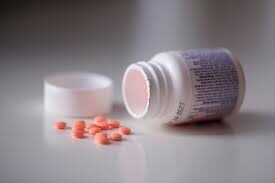
A new study shows that people with type 2 diabetes (T2D) who have a higher risk of heart disease were less likely to have a major heart event—like a heart attack, stroke, or death—if they took low-dose aspirin. People with T2D who had similar risk but did not take low-dose aspirin had more heart problems. The study will be shared at the American Heart Association’s Scientific Sessions 2025.
“We know that recent studies show aspirin doesn’t help prevent heart disease in people who do not already have it. But type 2 diabetes is a known risk factor,” said study author Aleesha Kainat, M.D., from the University of Pittsburgh Medical Center.
The researchers wanted to learn more about low-dose aspirin for adults with T2D who also had a medium or high risk of heart disease. These people may or may not have been part of earlier studies.

The team looked at 10 years of electronic health records from more than 11,500 adults with type 2 diabetes. All had a medium or high chance of having a heart event. The researchers also studied whether blood sugar control or taking medicines regularly made a difference.
“We were surprised by how strong the results were,” Kainat said. People with T2D who had a higher risk of heart disease and took low-dose aspirin were much less likely to have a heart attack, stroke, or die over 10 years than similar people who did not take aspirin. The biggest benefit was seen in people who took aspirin most consistently.
What the study found:
Adults with T2D who took low-dose aspirin had fewer heart attacks (42.4%) than those who did not take aspirin (61.2%).
Their risk of stroke was also lower (14.5% vs. 24.8%), and fewer died from any cause within 10 years (33% vs. 50.7%).
Any low-dose aspirin use was linked to lower risk, but the best results were in people who took aspirin the most often.
Low-dose aspirin lowered heart risk no matter the person’s blood sugar level. But the effect was stronger in people with better blood sugar control.
Kainat explained that the study did not include people with a high bleeding risk, and it also did not track bleeding or other side effects. This is important because aspirin can cause bleeding, and bleeding risk must always be considered when choosing a treatment.
A cardiologist, who was not part of the study, said the findings are important because heart disease is the top cause of death for people with type 2 diabetes. He also noted that the American Heart Association does not currently recommend low-dose aspirin to prevent a first heart attack or stroke in adults with T2D who have no history of heart disease. More research is needed.
Khera stressed that people should always work with their health care team to understand their personal risks and decide whether a treatment’s benefits outweigh its risks.
The study had limits. It was observational, meaning researchers looked at past patient records instead of running a clinical trial. That means the study cannot prove that aspirin directly prevented heart events. Also, aspirin use was based on notes in medical records, which may not show how often people actually took the medicine. There may also have been other differences between people who did and did not take aspirin.
Kainat said more research is needed to learn how to balance aspirin’s benefits with its bleeding risks. She also said future studies should look at how aspirin works in people taking newer diabetes and heart medicines, like GLP-1 drugs and non-statin cholesterol-lowering medicines.
Study details
Aspirin use was based on how often it appeared in medical records over about eight years: no use, seldom (<30% of the time), sometimes (30–70%), or frequent (>70%).
The study included 11,681 adults with T2D and medium or high heart-risk scores based on the 10-year ASCVD risk calculator.
Records came from the University of Pittsburgh Medical Center system, which has more than 35 hospitals and 400 clinics.
The average age was 61.6 years; 46.24% were female and 53.76% were male.
People at high bleeding risk were not included.
Researchers compared stroke, heart attack, and death across the four aspirin-use groups.
Over 10 years, 88.6% reported some aspirin use, and 53.15% took statins.
Another analysis looked at aspirin’s effects based on blood sugar levels (HbA1c).
Heart attacks and strokes are major causes of death in the U.S., and people with T2D have a higher risk. More than half (57%) of U.S. adults have type 2 diabetes or prediabetes.
Aspirin is a blood thinner and is often used in low doses to lower heart disease risk. It is recommended for secondary prevention, meaning for people who already had a heart attack or stroke. But for adults with diabetes who have never had such an event, guidelines say the benefits of aspirin for preventing a first heart attack or stroke are unclear.
And now you know.
HSA/FSA Eligible
Doctors Are Human.
That's Why There's Medome.
Start your free trial today. No credit card required.
Start Your Free Trial
Join thousands protecting their health with AI that never forgets
Critical details get missed when your health information is scattered. Medome connects the dots across your complete record.
Start Your Free Trial
Quick Links
Medome Men
Home
Pricing
About
Health News
HealthSigns
FAQ
Contact Us
Terms of Service
Privacy Policy
Get In Touch
Email: service@medome.ai
Phone: (617) 319-6434
This is Dr. Steven Charlap’s cell. Please text him first, explaining who you are and how he can help you. Use WhatsApp outside the US.
Hours: Mon-Fri 9:00AM - 9:00PM ET